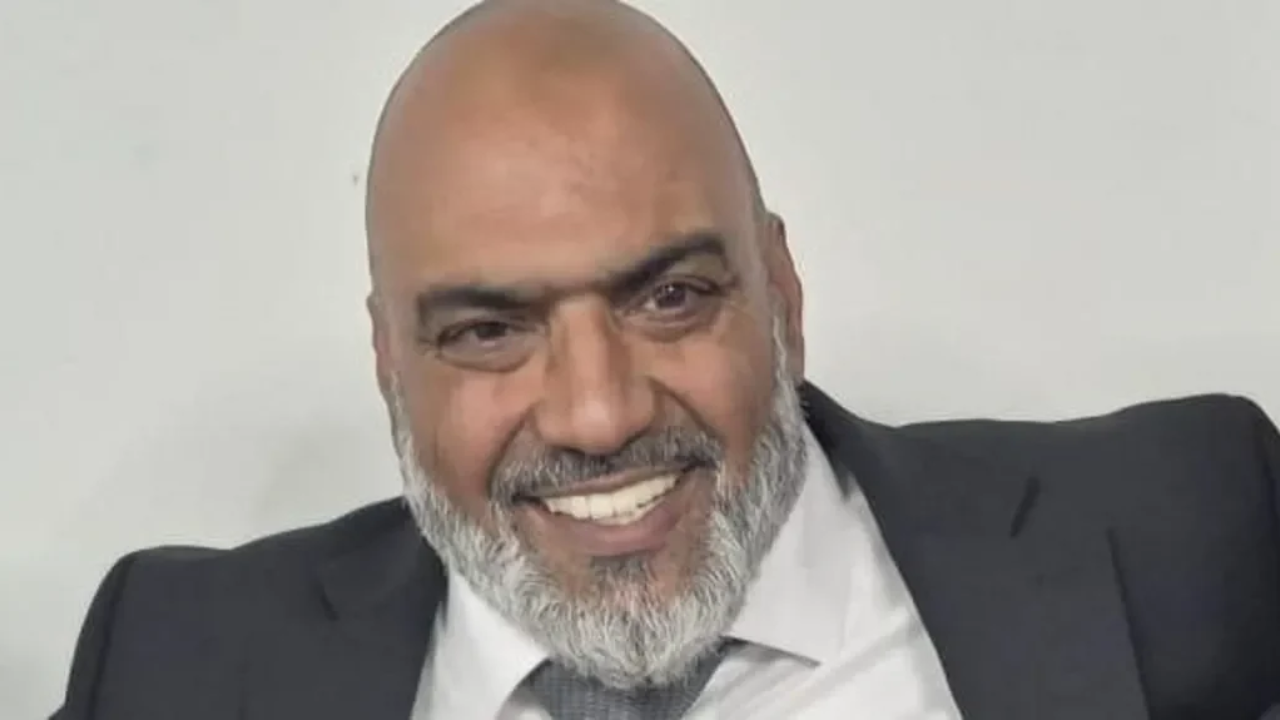
A local councillor steps onto the street to help clean up his neighborhood, puts himself between a council worker and danger, and ends up in the hospital with stab wounds. That is the brutal reality that unfolded in Bradford this week.
On Thursday morning, November 19, 2026, Bradford Moor ward councillor Ibrar Ali was assisting council wardens during community clean-up work when violence broke out. According to his family, Ali stepped in to protect a member of council staff and suffered multiple stab wounds for doing so. Police were called to Manse Street just after 11 a.m. after reports that he was seriously injured, believing the initial attack happened on Thornbury Avenue before he was driven to Manse Street. West Yorkshire Police have since charged 32-year-old Arfan Ali with attempted murder, assault, and possession of an offensive weapon in a public place. He appeared at Leeds Magistrates' Court, was remanded in custody, and is scheduled to appear at Bradford Crown Court on December 21.
Straight news reports give you the police timeline and the court dates, and honestly, they stop right where the deeper story starts. When a UK councillor gets stabbed while protecting council staff during community work, it isn't just a shocking local crime story. It shines a harsh light on how exposed frontline local representatives and council workers actually are when they do the unglamorous, everyday work that keeps neighborhoods running.
Why This Attack Hit a Nerve in Local Politics
Most people picture politicians sitting in wood-paneled chambers debating policy or giving speeches on television. Local councillors don't live in that bubble. In Bradford, Ibrar Ali was elected to the City of Bradford District Council in May 2026 as a member of the Your Bradford Independent Group. Outside the council chamber, he works as a community development manager at the charity The Leap and helped found the Leeds Road Festival.
When someone like that gets attacked on a residential street while helping wardens clean up the area, it hits close to home for anyone who knows how local government works. Councillors are often unpaid or minimally paid community advocates who live in the very wards they represent. They don't have close-protection officers walking beside them at a street clean or a community meeting.
What makes this case stand out even more is what police and Ali's family have said so far. West Yorkshire Police stated early on that there was nothing to suggest the incident was politically motivated at that stage. Meanwhile, Ali's family noted that he had been made aware of reports suggesting the person involved may have been facing mental health difficulties, and despite his own serious injuries, Ali expressed hope that the individual gets appropriate care and support. That kind of grace from someone who just took multiple stab wounds trying to shield a colleague isn't something you see every day.
The Bigger Risk Facing Councillors and Council Staff
If you think this kind of danger is a fluke, the data from local government surveys says otherwise. A Local Government Association (LGA) survey published in September 2026 found that 78% of councillors reported feeling some level of personal risk while fulfilling their elected role, and 26% said they had received threats of violence. Even more troubling, 52% felt that abuse and intimidation had increased over the previous 12 months.
I've watched how street-level public work plays out in real life, and there's a big gap between how people think civic engagement works and how volatile it can get in practice. A routine litter pick, a housing dispute, a parking complaint, or a mental health crisis on a sidewalk can turn tense in seconds. Council wardens and councillors are often the first human faces of "the council" that frustrated or distressed residents encounter—even when the person standing there has zero control over the root problem.
Let's be real about the trade-off here. The whole point of local democracy is accessibility. If councillors hide behind locked doors, only take screened appointments, and never walk the streets with staff, they lose touch with their communities. Yet leaving frontline staff and volunteers completely exposed with minimal backup isn't sustainable either.
There is also a legitimate debate around how society handles overlap between street crime, public safety, and mental health crises. Some commentators argue courts and police must crack down hard on knife carry and street violence regardless of circumstance, while others point out that untreated mental health struggles often sit right beneath sudden street flashpoints. Both realities can be true at once. Protecting public workers and ensuring vulnerable people get timely mental health intervention aren't mutually exclusive goals, even when systems struggle to deliver both.
What People Usually Get Wrong About Incidents Like This
When a headline breaks about a stabbing during community work, three misconceptions tend to pop up right away.
- Assuming every attack on a politician starts with party politics. Early reporting on the Bradford stabbing noted that police saw no indication of political motivation at that point. Street violence can erupt out of personal crisis, mental health distress, or sudden confrontation during public duties.
- Thinking "not life-threatening" means minor. Hospital and family updates described Ali's injuries as serious rather than life-threatening, yet court proceedings later noted the injuries were potentially life-changing. Multiple stab wounds to the body or limbs can carry lasting physical and psychological recovery long after a patient leaves critical care.
- Treating intimidation as "just part of the job." Too many people shrug off verbal abuse, threats, or physical hostility toward local representatives as normal political rough-and-tumble. Research highlighted by the House of Lords Library and the Local Government Association shows that fear of abuse actively pushes good people—especially women, ethnic minorities, and disabled candidates—away from standing for office.
Practical Steps for Councils, Staff, and Residents
Whether you work in local government, volunteer on neighborhood projects, or just care about keeping your local streets safe, waiting for the next headline isn't a strategy.
- Audit street-level risk before community events. Councils and community groups should review how wardens, staff, and councillors pair up during street cleans, canvassing, and outdoor visits—avoiding isolated setups and establishing clear check-in protocols.
- Train teams for de-escalation and rapid disengagement. Frontline workers and elected members need practical training on spotting escalating behavior early, maintaining safe distance, and leaving a situation immediately when safety is in doubt.
- Log every threat and incident consistently. Under-reporting distorts risk assessments. Councils should make incident logging simple so police and local authorities can spot patterns and coordinate support quickly.
- Support injured colleagues beyond the first week. Recovery from a violent assault takes months, not days. Practical help—covering ward duties, providing trauma support, and respecting family privacy while keeping colleagues connected—matters just as much as initial statements of support.
Public service only works if the people doing it aren't left to fend for themselves on the pavement.
Arfan Ali appears in court charged with attempted murder of Bradford councillor Ibrar Ali
This video report covers the arrest and court developments surrounding the stabbing of Bradford councillor Ibrar Ali during his community work.



