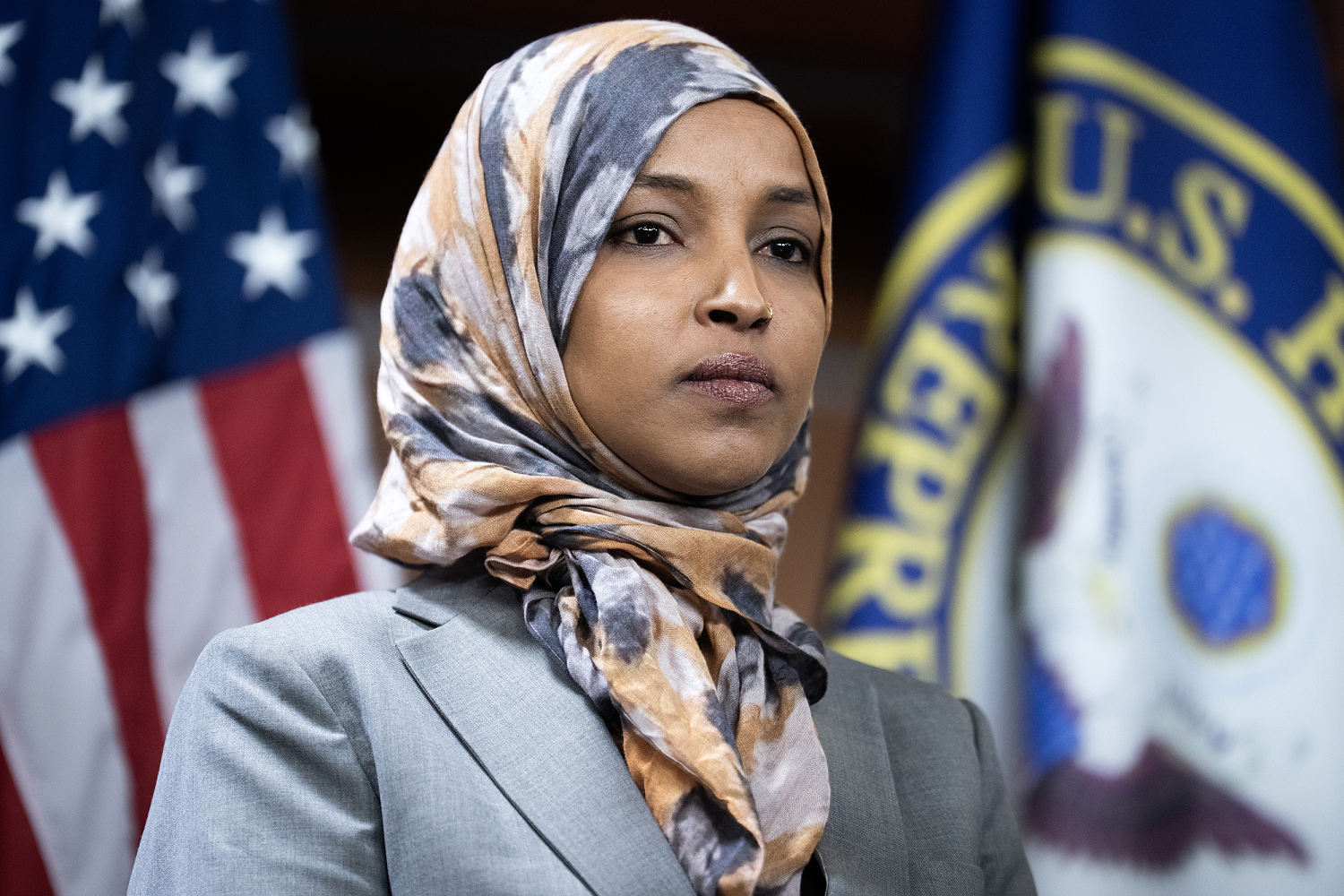
Federal courts don't usually pull punches when prosecutors try to keep high-profile investigations under wraps. When Chief U.S. District Judge James Boasberg started questioning why the Justice Department wanted to keep the entire docket secret following the search of Representative Ilhan Omar's home, he drew a hard line. Transparency matters. Especially when federal agents raid the residence of a sitting member of Congress.
Media organizations and legal watchdogs didn't wait around to ask questions. They demanded public access to the records. The resulting legal chess match exposes deep friction between executive branch secrecy and the constitutional protections lawmakers claim when federal investigations hit close to home.
Behind the Sealed Docket
The physical search of Omar's Washington, D.C., residence by federal agents triggered immediate political shockwaves. Investigators walked away with electronic devices, notebooks, and other personal items. Yet, months later, the core 67-page affidavit detailing the government's evidence remains tightly sealed.
Prosecutors argued that unsealing filings prematurely could compromise an active criminal inquiry. They insisted the warrant wasn't "fully executed" because the massive task of reviewing seized digital data is still ongoing.
Judge Boasberg wasn't buying the blanket secrecy argument. He pointed out that many documents on the docket address pure questions of law rather than sensitive witness identities or undercover tactics.
The Speech and Debate Clause Clash
A central element of the unsealing battle involves constitutional safeguards designed to protect lawmakers from executive overreach. The Speech and Debate Clause of the Constitution shields congressional members from certain types of interference tied to their legislative duties.
While the bulk of the evidentiary affidavit stays locked away, the upcoming document releases focus heavily on how the court evaluated and protected these legislative privileges. Defense attorneys have repeatedly accused the Justice Department of overstepping boundaries and ignoring judicial protocols. They argue the investigation relies on politically motivated pre-election tactics rather than objective law enforcement.
The DOJ denies any political bias, maintaining that standard investigative protocols govern the case. Still, the optics of high-ranking administration officials publicly discussing allegations while prosecutors stonewall the court create a messy public relations crisis for the department.
Why This Precedent Matters
This fight extends far beyond one politician from Minnesota. When federal law enforcement targets a federal legislator, every branch of government watches closely. If a court forces transparency over the objections of prosecutors, it establishes a powerful check on executive investigative power.
Redactions will obscure some sensitive details for now, but letting the public see portions of the legal arguments strips away the mystery. Accountability requires daylight. As deadlines approach for proposed redactions, the courts are signaling that high political office doesn't grant absolute secrecy, but it doesn't strip away constitutional rights either.
Federal agents search Rep. Ilhan Omar's home in ongoing criminal probe
This video provides an overview of the initial federal search at Representative Ilhan Omar's Washington residence and details the surrounding investigation.



