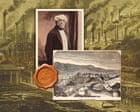
History isn't just written by the victors; it’s often sanitized by the accountants. For generations, the mainstream narrative around Britain’s relationship with slavery ended neatly in the 1830s with abolition acts and self-congratulatory patches on the national quilt. But clean history makes for poor reality. New research reveals that prominent figures within the British financial establishment—specifically directors of the Bank of England—continued raking in massive profits from post-abolition slave labor in Cuba long after the practice was outlawed.
We aren't talking about distant, obscure figures operating in the shadows. We are talking about the core of Britain's financial and mercantile elite. Understanding how this happened requires looking past textbook summaries and examining the gritty, hidden machinery of industrial capitalism.
The Cuban Connection and the Cobre Mining Reality
By the mid-nineteenth century, Cuba had become a powerhouse of extraction. While international treaties and British diplomatic pressure had technically banned the trafficking of enslaved human beings, Spanish colonial authorities in Cuba looked the other way because the island's sugar, coffee, and copper industries depended entirely on forced labor. Thousands of captives continued arriving annually, fueling an industrial engine that fed global markets.
At the center of this web was the British-led Cobre Mining Company. Operating copper mines in Cuba—which grew into what historians describe as the largest slave enterprise in the Western Hemisphere by the 1840s—the company provided vital raw materials that industrialized British manufacturing hubs like Manchester.
Charles Pascoe Grenfell, a prominent merchant connected to these operations, and other institutional leaders sat comfortably within the upper echelons of British finance. Conditions at El Cobre were notoriously brutal, featuring systemic violence, torture, and dedicated slave catchers hunting down anyone desperate enough to escape into the mountains. Yet, thousands of miles away in London and Manchester, investors treated the enterprise as a smart play in joint-stock capitalism.
How Industrial Complexity Masked Human Atrocities
How did Victorian investors reconcile their moral stance against slavery with profits generated by enslaved workers? The answer is simple: corporate architecture.
In the classical age of abolition, everyday British citizens could boycott West Indian sugar to register a moral protest. But copper and other industrial minerals were different. They were baked directly into the machinery of the Industrial Revolution. You couldn't easily trace a copper pipe back to an enslaved miner in Santiago de Cuba.
The rise of joint-stock companies created a convenient buffer. Directors and middle-class investors could claim ignorance, hiding behind layers of corporate bureaucracy, shipping manifests, and international subsidiaries. Slavery was effectively rendered invisible by the sheer complexity of modern industrial society. It allowed the mercantile elite to pocket extraordinary dividends while maintaining a facade of domestic respectability.
When confronted with these historical realities, institutional responses have often relied on brief acknowledgments rather than deep reckonings. A Bank of England spokesperson noted that past governors and directors had historical links to the slave trade, but uncovering the post-abolition mechanics shows that these ties ran deeper and lasted longer than standard timelines suggest.
Why This History Matters Right Now
History has a habit of biting back when you ignore it. The modern push for reparative justice and institutional transparency—led by archival projects like the Scott Trust's Legacies of Enslavement program—isn't about assigning petty guilt centuries later. It is about understanding the DNA of modern wealth.
The fortunes that built major financial institutions, funded public works, and cemented London’s status as a global financial hub didn't appear out of thin air. They were built on a foundation of legal loopholes, moral compromise, and intense human suffering. When we look at global wealth distribution today, we are looking at the compounding interest of historical extraction.
Stop buying the fairy tale that industrialization was purely a triumph of ingenuity and hard work. It was heavily subsidized by human bondage, long after polite society claimed to have turned the page. Recognizing that reality is the bare minimum requirement for building a fairer economic future.



