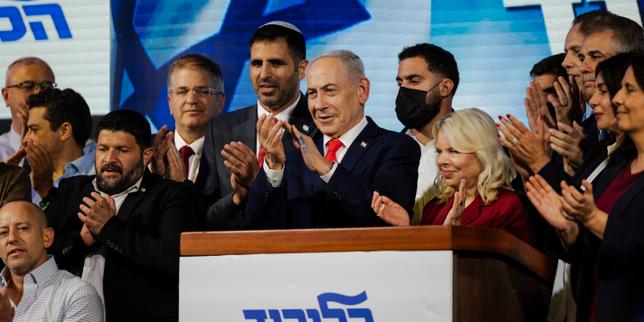
Voters headed to the polls on October 27, 2026, for a high-stakes legislative election to renew the 120 seats of the Knesset. This wasn't just another routine vote. It marked the very first time Israelis cast ballots since the devastating October 7, 2023 attacks and the subsequent, prolonged conflicts in Gaza and across the region. With a massive voter turnout hitting 77.7 percent—the highest in over two decades—the message from the public was unmistakable: people are deeply engaged, intensely polarized, and desperate for a clearer path forward.
If you are trying to make sense of the chaos, you have to look past the noisy headlines and examine the hard numbers coming out of the Central Elections Committee.
The Numbers Game and the 61-Seat Wall
The core reality of Israel's proportional representation system is that nobody governs alone. You need 61 seats out of 120 to form a stable majority. With around 85.6 percent of ballots counted, Benjamin Netanyahu's right-wing bloc sits at roughly 53 seats, while the opposition bloc led by Gadi Eisenkot's Yashar party trails around 48 seats. Meanwhile, Arab-led lists like the Joint List and Ra'am secured an impressive 19 seats, shaking up the arithmetic.
Notice a pattern? Neither main bloc has hit the magic 61 number.
This leaves the political establishment in a familiar yet more precarious deadlock. Netanyahu's Likud remains the single largest party, but his coalition allies are falling short of a guaranteed majority. Coalition talks are going to drag on for weeks, and every small faction holds disproportionate leverage.
Why This Vote Felt Different
You could feel the shift on the ground weeks before election day. Millions of citizens were weighing a complex mix of security anxieties, economic strains, and intense fatigue from years of political infighting. Prime Minister Netanyahu fought this campaign under immense pressure, navigating both domestic dissent and international legal scrutiny following the events of late 2023.
The opposition sensed blood in the water, rallying behind figures like Gadi Eisenkot who promised a return to institutional stability and a fresh approach to regional diplomacy. Yet, despite widespread fatigue with the current leadership, the anti-Netanyahu camp failed to deliver a knockout blow. Traditional ideological divides proved stubborn. Voters didn't rally around a single unifying vision; instead, they retreated into their respective political trenches.
The Hidden Power of the Arab-Led Parties
One of the most under-discussed developments is the surge in representation for Arab-led factions. Winning nearly 19 seats gives these parties a potent voice in the new Knesset. Historically, Zionist-led governments treat Arab factions as untouchable coalition partners. But with the math so tight, the traditional rules of engagement are fraying at the edges.
If major blocs keep hitting a wall at 60 seats, the political calculus has to evolve. Whether that means tacit cooperation, backroom maneuvering, or minority governments depends entirely on how desperate party leaders get as the final results are certified.
What Happens Next
Don't expect a quick resolution. Government formation in Israel is rarely straightforward, and this cycle is uniquely toxic. Caretaker dynamics will dominate the coming days, with leaders jockeying for position and trying to poach members from rival factions before the president formally assigns mandate rights.
If you're watching this closely, stop looking for a decisive ideological winner. There isn't one. Israel is staring down a grueling period of horse-trading, where tiny parties will dictate national policy and compromise will be driven by sheer necessity rather than sudden harmony.
This video provides live updates and expert analysis on the 2026 Israeli legislative election results as the vote count continues.



