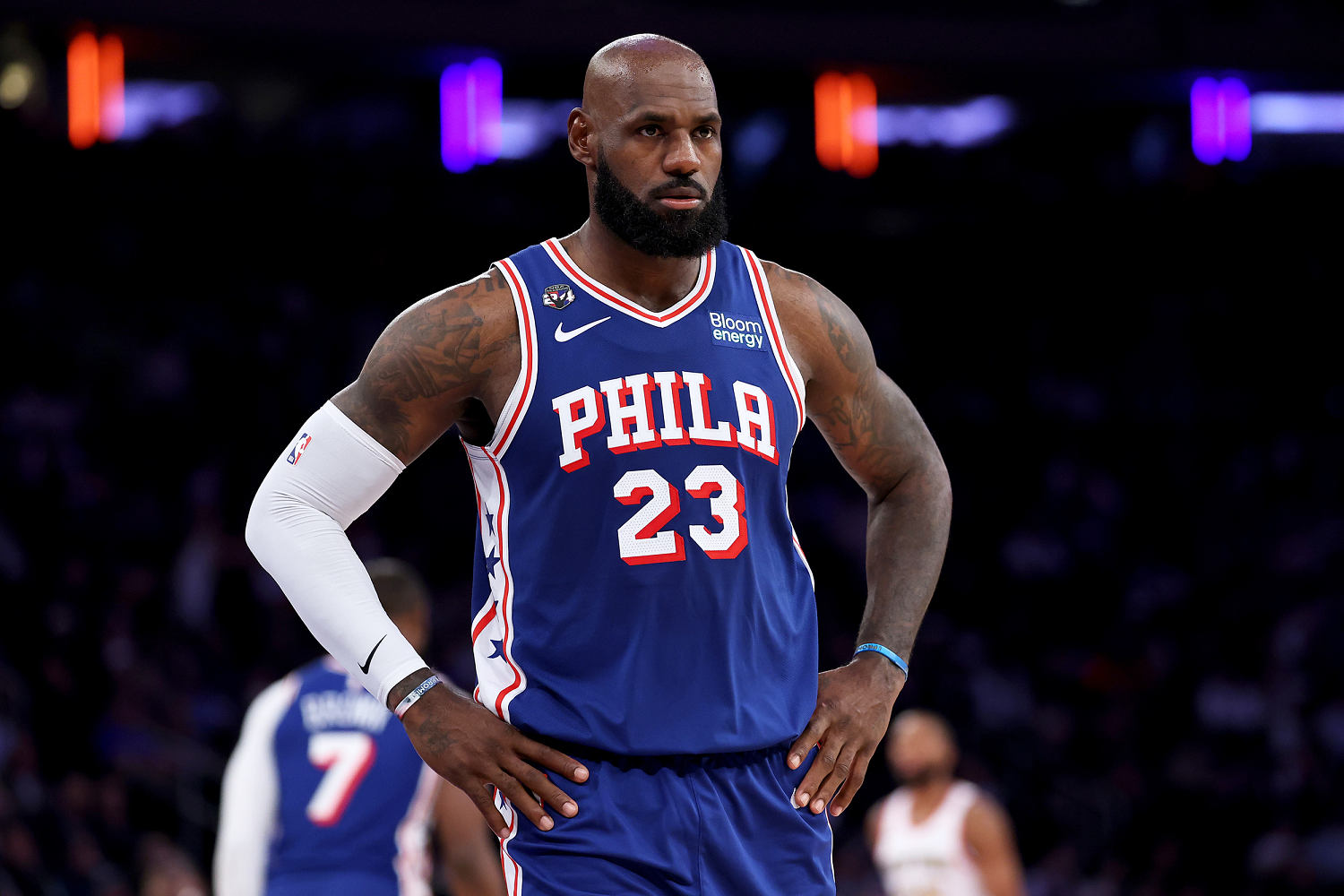
Fame comes with a heavy price tag, and usually, that price is paid in personal security. When a man was arrested outside of LeBron James’ Los Angeles property in Brentwood on stalking charges, it put a harsh spotlight back on the vulnerabilities that high-profile athletes and celebrities face daily.
Security teams spotted the trespasser on surveillance cameras around 9:30 p.m. on a Friday night, prompting an immediate call to the Los Angeles Police Department. By the time officers arrived and took the suspect into custody, he offered a bizarre explanation to authorities: he claimed to be James' son.
The Reality of Celebrity Intrusion Risks
Living behind gates in an exclusive neighborhood doesn't mean absolute safety. Security experts will tell you that high-net-worth properties face constant threats from trespassers, fixated individuals, and people suffering from severe mental health delusions. In this case, the suspect never actually made it inside the physical residence, thanks to perimeter cameras and prompt private security response. Yet, the psychological toll of these breaches on families is substantial.
At the exact time of the incident, LeBron James was miles away in Ohio. He was playing an NBA Cup game in Cleveland as a member of the Philadelphia 76ers, squaring off against the Cavaliers. Playing thousands of miles away from home while an intrusion unfolds at your private residence highlights the bizarre duality of modern athletic life. You're expected to perform on national television while worrying about what is happening behind closed doors back home.
Why Perimeter Security Fails and Succeeds
Modern celebrity compounds rely heavily on layered security. The first layer is usually architectural design, followed by heavy landscaping, private security patrols, smart cameras, and rapid-response integration with local law enforcement like the LAPD.
When a breach happens, the goal isn't necessarily to stop someone at the outer fence line—though that is ideal—it's to detect them instantly and lock down the environment before physical harm occurs.
- Surveillance Automation: Motion-activated thermal cameras pick up human heat signatures before intruders reach primary doors.
- Law Enforcement Synergy: Direct panic lines to local police precincts ensure priority response times for A-list properties.
- Physical Deterrents: High walls and automated gates slow down unauthorized access, buying precious minutes for private guards.
This isn't the first time James' Los Angeles properties have drawn unwanted attention. Back in 2017, his Brentwood home was targeted in an incident involving vandalism and hateful graffiti. Incidents like these remind the public that ultra-wealthy athletes are often targets not just of opportunists, but of fixated individuals whose grips on reality have completely slipped.
The Mental Toll on Public Figures
We talk endlessly about stats, contracts, and legacy. What we rarely discuss is the exhausting baseline anxiety that comes with massive visibility. When you can't leave your house without wondering if someone is lurking in the bushes, or if your family is safe while you're on a three-game road trip, the professional burden multiplies.
Fixated behavior directed at celebrities usually stems from erotomania or grandiose delusions—such as the suspect claiming to be James' son. These psychological patterns mean traditional deterrents like warning signs or harsh security guards don't always act as mental deterrents. To a person experiencing a severe delusion, a gate or a guard is merely an obstacle in a false narrative they’ve built in their own mind.
Strengthening Personal Defense Strategies
If you manage high-profile assets or find yourself dealing with elevated security risks, relying on luck is a losing strategy. Real safety requires active protocols that minimize exposure and maximize response speed.
- Audit your digital footprint: Intruders often study public real estate listings, social media check-ins, and geo-tagged photos to map out a target's daily routine. Limit what gets shared online.
- Upgrade to AI-driven perimeter alerts: Basic motion sensors trigger too many false positives from animals or wind. Modern AI cameras distinguish between human movement and environmental noise, alerting private security instantly.
- Establish a clear protocol for family members: Everyone living inside the home must know exactly safe rooms to access and whom to call if an alarm trips in the middle of the night.
Fixated intruders will continue to test the boundaries of celebrity estates as long as fame exists. The key is ensuring that technology, private security, and law enforcement outpace the threats before a bad situation turns tragic.



