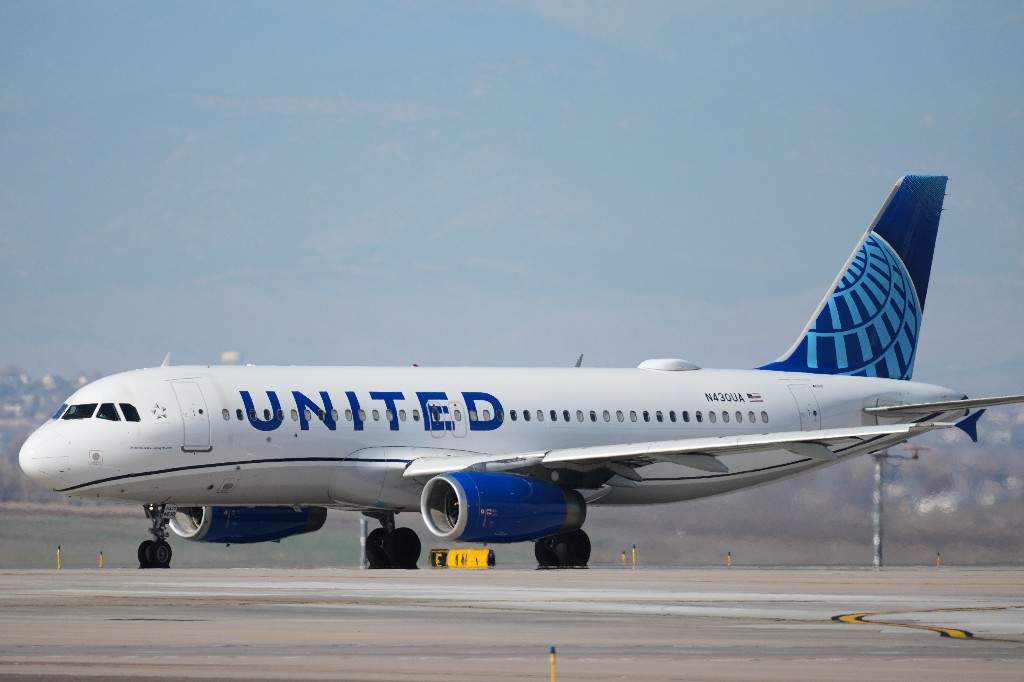
Midair security scares rarely unfold quietly, and United Airlines Flight 2174 proved to be a terrifying reminder of how fast a routine trip can turn chaotic. When a passenger starts screaming about a bomb and lunges toward the cockpit, flight attendants don't have time to read a manual. They have to act.
The flight departed Newark Liberty International Airport bound for Louis Armstrong New Orleans International Airport. It was supposed to be a standard domestic hop on a Boeing 737 Max 9 carrying 46 passengers and six crew members. Instead, it turned into a federal case involving an attempted cockpit breach, an alleged bomb threat, and a multi-agency security response.
Inside the Cabin Chaos
The disturbance kicked off late in the evening. According to law enforcement and federal filings, a 34-year-old passenger identified as Rony Alexander Gomez-Alberto began acting erratically. Witnesses and authorities noted that the situation escalated rapidly from bizarre behavior to a full-blown security emergency when the suspect claimed he had a bomb in his backpack and tried to force his way into the flight deck.
An attempted cockpit breach triggers the highest level of alert for commercial aircrews. The pilots immediately radioed air traffic control to signal a potential hijacking threat, while crew members and capable passengers moved quickly to neutralize the danger. Rather than letting panic take over, the flight attendants managed to physically restrain the suspect and move him to the rear of the aircraft.
For the 46 passengers onboard, those final moments in the air were agonizing. You're sitting in a metal tube thousands of feet above the ground, knowing someone is trying to breach the front door while shouting about explosives. The psychological toll on everyone on that plane is something security briefings rarely capture.
The Landing and Immediate Arrest
The Boeing 737 Max 9 maintained its trajectory and landed safely at Louis Armstrong New Orleans International Airport. The moment the wheels touched the tarmac, the illusion of normal travel vanished completely. Law enforcement vehicles, airport security, and local deputies swarmed the tarmac.
Officers from the Jefferson Parish Sheriff's Office boarded the aircraft and took Gomez-Alberto into custody without further incident. He was transported directly to the Jefferson Parish Correctional Center.
The charges filed against him reflect the severity of his actions. Prosecutors booked him on counts of terrorizing and communicating false information of planned arson, with bond set at a steep $500,000 for each offense. But that was only the beginning of his legal troubles.
Federal and Immigration Complications
Local charges are just the surface layer for crimes committed in commercial airspace. The Federal Aviation Administration (FAA) immediately launched an independent investigation into the security breach.
At the same time, the Department of Homeland Security and Immigration and Customs Enforcement (ICE) stepped in. Federal authorities identified Gomez-Alberto as a Honduran national who had previously been deported twice from the United States. Following his booking in Louisiana, ICE lodged a formal immigration detainer against him, ensuring that he will face federal immigration scrutiny and likely deportation proceedings once his local criminal case concludes.
This multi-layered legal response highlights how aviation security threats draw immediate federal oversight. Disrupting a commercial flight isn't just a local disturbance; it triggers a massive machinery of federal statutes, counter-terrorism protocols, and immigration holds.
What This Means for Everyday Air Travel
Incidents like the Newark-to-New Orleans flight always spark public anxiety about airline safety. People wonder how someone manages to disrupt a cabin so thoroughly or why cockpit doors aren't completely impenetrable.
The reality is that commercial aviation relies on a layered defense model. Reinforced cockpit doors—standardized across major airlines after historic security overhauls—are designed to prevent unauthorized entry, buying the flight crew critical seconds to respond. Furthermore, flight crews undergo rigorous training for unruly passengers, learning how to restrain threats before they compromise the safety of the flight deck.
While passengers on Flight 2174 experienced a terrifying ordeal, the system worked as intended. The crew communicated effectively, the plane landed without structural harm, and law enforcement secured the suspect before he could cause catastrophic damage.
If you are flying soon, incidents like this are a stark reminder to remain aware of your surroundings and trust the crew when instructions are given. Air travel remains statistically safe, but the margin for error in the sky is zero, and law enforcement treats every airborne threat with absolute severity.



