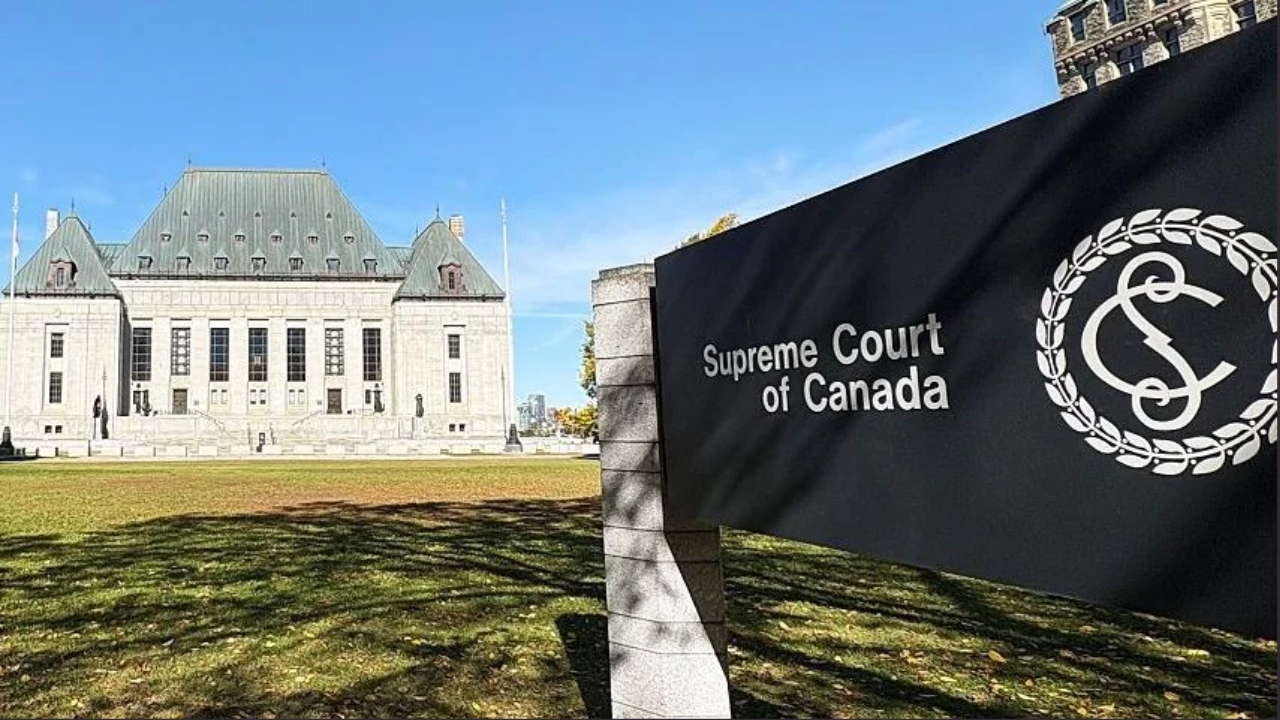
Quebec's religious symbols ban isn't going away anytime soon. On November 27, 2026, the Supreme Court of Canada largely upheld Bill 21, keeping the 2019 secularism law intact for teachers, police officers, and other public workers in positions of authority.
If you're looking for a simple "win or lose" headline, you won't find one here. The ruling is a messy, high-stakes constitutional compromise. A slim 4-3 majority backed keeping the core ban standing because Quebec invoked Section 33 of the Charter, known as the notwithstanding clause. At the same time, all seven justices agreed on one crucial carve-out: forcing elected members of Quebec's National Assembly to uncover their faces violates their democratic rights under Section 3.
Honestly, this decision matters far beyond Quebec's borders. It tests how much power provincial governments have to override fundamental rights when they want to.
Why Quebec's Religious Symbols Ban Survived the Court
Basic news summaries often treat the Supreme Court ruling like a stamp of approval on the policy itself. That's not quite right. What the court actually ruled is that Quebec validly used its constitutional override powers to shield the law from being struck down.
Under Canada's Charter of Rights and Freedoms, laws that infringe on religious freedom, expression, or equality normally get knocked down. Quebec's government sidestepped that route from day one by pre-emptively invoking Section 33—the notwithstanding clause—along with the override clause in Quebec's own human rights charter. That clause lets legislatures keep certain laws running for five-year stretches even when they clash with core Charter protections.
Here is the twist that caught a lot of observers off guard. Even though a narrow majority upheld the law's operation under Section 33, four judges agreed that courts can still issue declaratory judgments opining on whether a law violates Charter rights, even when the notwithstanding clause is invoked. Still, the court declined to issue a formal declaration of rights violations on the religious symbols ban itself because a majority didn't join that view.
The One Carve-Out Every Justice Agreed On
Section 3 of the Charter protects the democratic right of citizens to vote and run for legislative office. Crucially, Section 3 sits outside the reach of the notwithstanding clause.
Because of that, all seven justices agreed that requiring members of the National Assembly to exercise their duties with uncovered faces infringes on democratic rights. If a religious belief requires a face covering, barring an elected representative from serving because of it crosses a constitutional line that Section 33 can't erase.
Who Feels the Weight of This Law on the Ground
On paper, Bill 21 looks neutral. It doesn't name any single faith. Turbans, hijabs, kippahs, and crosses are all covered under the rules for public workers in positions of authority.
In real life, neutral wording doesn't produce neutral outcomes. Census numbers tell part of the story: Muslims make up about 5.1% of Quebec's population, slightly higher than the national share, while Sikhs make up 0.3% in Quebec compared to 2.1% across Canada as a whole. When you pair demographics with social norms, the impact lands unevenly.
In their partial dissent, Justices Andromache Karakatsanis and Michelle O'Bonsawin pointed out that the law's effects are not felt equally and fall most heavily on Muslim women. Some women have been turned away from jobs for wearing a hijab. Others who had grandfather clause exemptions—protecting workers hired before the bill was tabled—found themselves stuck in place because taking a promotion or transferring to a new role would cost them that exemption.
And the ripple effects don't stop at a pay stub. The dissenting justices noted reports of increased verbal and physical abuse against religious minorities, along with a real hit to people's sense of belonging in Quebec and Canada.
How Quebec Kept Expanding the Rules After 2019
If you thought the fight was frozen in 2019, you missed what came next. Quebec has kept pushing its secularism agenda further into public life.
- Bill 94 in 2025: Expanded restrictions on religious symbols to cover all school employees who interact with students, plus school support staff and volunteers.
- Integration and culture rules: Required immigrants to follow Quebec's "common culture," including secularism.
- Bill 9 in April 2026: Added further measures, including banning religious symbols for subsidized daycare workers, phasing out public funding for certain private religious schools, restricting exclusively religious food services in public institutions, and limiting prayer spaces and group prayers in public areas.
That steady expansion explains why this isn't just a dusty court case from years ago. For families, educators, and community members in Quebec, the goalposts have kept moving.
Why Supporters and Critics See Two Completely Different Worlds
To understand why this issue sparks such fierce pushback, you have to look at two clashing political traditions. Many supporters in Quebec view state secularism—laïcité—as a hard-won safeguard that keeps government institutions neutral and free from religious authority. From that perspective, provincial lawmakers and voters should decide how public institutions operate without constant vetoes from Ottawa or courts.
Critics see a very different reality. Civil liberties advocates and dissenting judges argue that telling a teacher or public servant to take off a hijab or turban doesn't create neutrality—it pushes people out of public service and sends a message that their faith makes them less of an equal citizen.
Neither side is going to persuade the other overnight. What makes this ruling a flashpoint across Canada is what it signals for other provinces. Since 2019, governments in Ontario, Saskatchewan, and Alberta have also turned to the notwithstanding clause to shield contentious laws—ranging from rules affecting transgender youth to labor orders and language reforms.
When one province uses Section 33 to protect a flagship policy, other premiers take notes. The constitutional safety valve is starting to look more like a regular political tool.
Practical Next Steps If This Affects You or Your Work
Whether you live in Quebec, work in the public sector, or follow Canadian constitutional law, don't rely on secondhand rumors about what changed on November 27.
- Check your exact role and grandfather status: If you're a public employee, school worker, or volunteer in Quebec, verify whether your specific position falls under Bill 21, Bill 94, or Bill 9, and confirm how job changes or transfers affect any exemption.
- Read the court's actual breakdown: Look up the Supreme Court of Canada's decision summary and separate opinions—especially the distinction between the Section 33 holding, the Section 3 legislative ruling, and the discussion on declaratory relief.
- Talk to a qualified employment or rights counsel: If a hiring decision, transfer block, or school volunteer rule hits your household directly, get advice tailored to current Quebec statutes and the Canadian Charter of Rights and Freedoms rather than guessing from social media posts.



