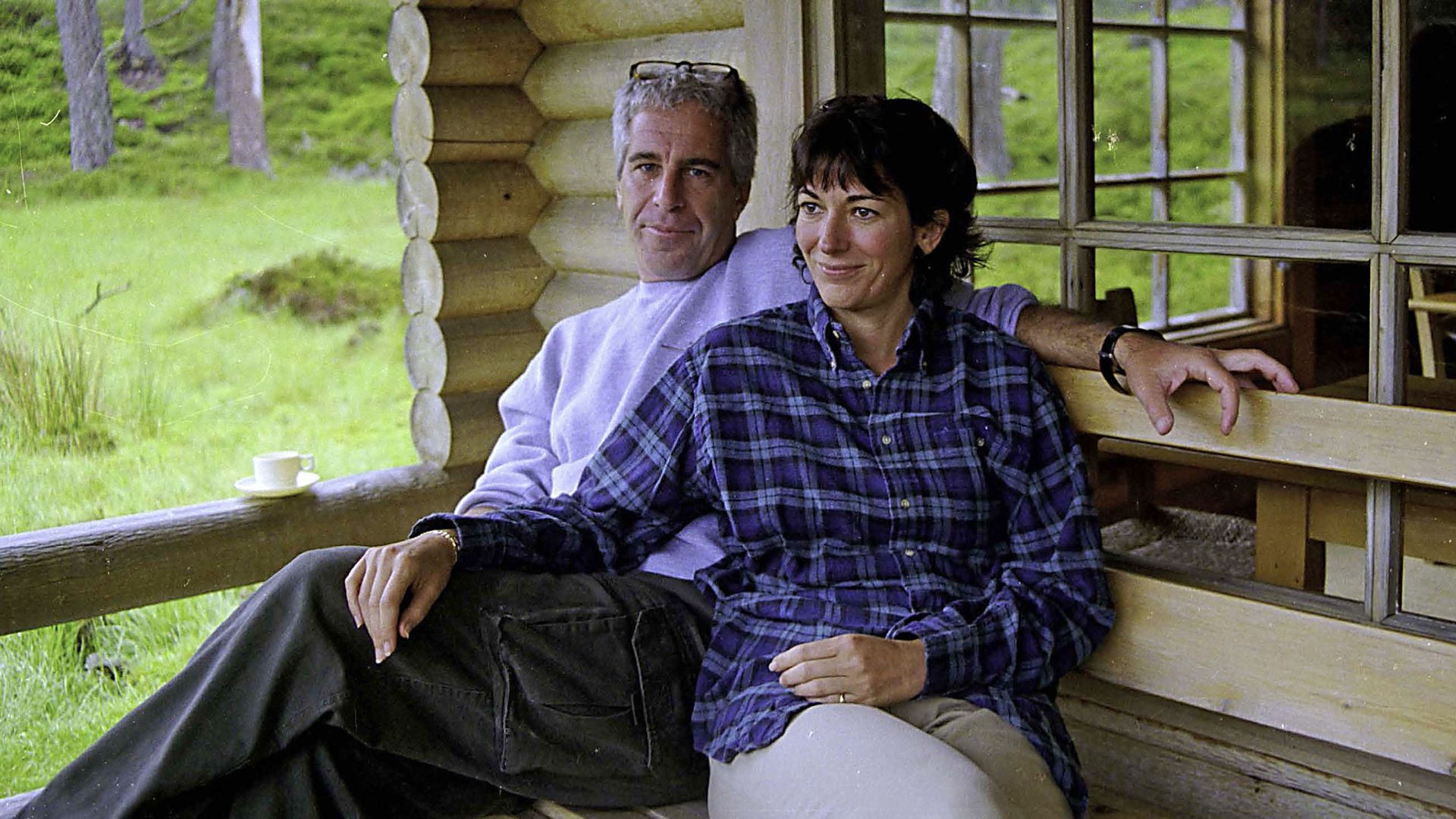
Police Scotland are now examining claims that women were trafficked by Jeffrey Epstein on the King's private Balmoral estate in Aberdeenshire. Let's be clear from the start. Confirming an examination does not equal a charge, a conviction, or proof of a crime.
When Police Scotland Chief Constable Jo Farrell addressed the issue publicly, she said the force would progress the information and determine what action needs to be taken. That phrasing matters. In policing, "examining" sits at the early assessment stage—sifting through document drops, flight logs, correspondence, and witness or tip material to see whether there's a credible criminal jurisdiction and enough evidence to move forward.
People searching this headline usually want three things fast. First, what actually triggered the scrutiny in Scotland? Second, how does this connect to Andrew Mountbatten-Windsor and the wider UK police probes? Third, what happens next?
Why Balmoral Is Back in the Frame
For years, public focus around Epstein and the British royal family centered on London, New York, or the Caribbean. Balmoral felt like a quiet Highland retreat—owned at the time by Queen Elizabeth II and now part of King Charles III's private estate.
That changed as millions of pages of documents released by the US Department of Justice drew fresh attention to Epstein's network and travel. Among the materials that surfaced were images appearing to show Epstein and Ghislaine Maxwell on a shooting trip at Balmoral in 1999, alongside flight logs and emails referencing the estate.
One email from August 2001—sent by someone signed "A" or linked to an email address tied to "The Invisible Man" writing from what was referred to as "Balmoral summer camp for the royal family"—asked Maxwell whether she had found "inappropriate friends". Another email from March 2002 from Maxwell referenced passing a message to an unnamed person about "Andrew" doing "two legged sight seeing".
Reading raw emails in isolation is tricky. Emails can be ambiguous, sarcastic, or part of a broader context that isn't obvious on screen. Still, when allegations of trafficking surface alongside photos, flight records, and messages from years ago, police forces have a duty to assess them rather than shrug them off.
How This Connects to Andrew Mountbatten-Windsor and Other UK Forces
You can't understand the Balmoral inquiry in a vacuum. It sits inside a much bigger wave of UK policing triggered by the document releases.
Forces across the country—including the Metropolitan Police, Thames Valley Police, and Surrey Police—have been dealing with enquiries tied to material from the files. Earlier in 2026, Thames Valley officers arrested Andrew Mountbatten-Windsor on suspicion of misconduct in public office linked to information in the documents, holding him for hours before releasing him on bail while investigations continued. He has repeatedly denied any wrongdoing.
The institutional fallout around him has already been massive. Back in 2019, he stepped back from royal duties after his disastrous BBC Newsnight interview about Epstein. Queen Elizabeth II stripped his military titles, patronages, and HRH style before her death in 2022, and King Charles III later removed his prince title and dukedom while ordering him out of Royal Lodge to Sandringham.
Separately, Andrew paid millions to settle a US civil sexual assault lawsuit brought by Virginia Giuffre in 2022 without admitting liability, after she alleged she had been trafficked to him when she was 17. Giuffre died by suicide in April 2025 at age 41.
One common misconception here is treating a civil settlement or a past royal demotion as criminal proof. They aren't the same thing. Royal households make reputation and family decisions fast; criminal courts require evidence that meets strict statutory thresholds.
The Real Hurdles in Historical Trafficking Probes
Honestly, investigating claims that may date back twenty-five years to 1999 or 2001 is brutal work. Even when police want answers, time gets in the way.
First, there's the jurisdiction and evidential puzzle. Trafficking involves movement, control, coercion, and specific statutory definitions—and laws and investigative standards have evolved since the late 1990s and early 2000s. Police Scotland has to figure out what alleged conduct occurred on Scottish soil, what falls under other UK forces or international partners, and what evidence actually survives.
Second, memories fade and records go missing. Guest books, estate logs, phone records, and travel itineraries from two decades ago rarely survive intact unless someone archived them. And with Epstein having died in custody in 2019 and Maxwell serving a 20-year prison sentence following her 2021 US conviction, two central figures aren't available in the same way they might have been years earlier.
Third, public commentary often runs way ahead of police reality. People see a sensational headline and assume raids, charges, or arrest warrants are imminent. In practice, early-stage police assessments can take months—and sometimes close without charges if evidence doesn't meet the threshold.
What People Get Wrong About Headlines Like This
When a major broadcaster runs a story about police examining trafficking claims on a royal estate, three misreadings show up constantly:
- Assuming a photo or name in a file proves guilt. Investigators treat document drops as leads to verify, not verdicts. Context, dates, and corroboration matter enormously.
- Confusing "examining" with a full criminal charge. Jo Farrell was careful to state that officers are examining information and determining what action is needed. That means scoping, checking, and evaluating—not prosecuting.
- Treating the King as a suspect. Balmoral is the King's estate now, and was Queen Elizabeth II's when the 1999 photos were taken. Owning property where an alleged incident may have occurred doesn't make the landowner a target of an investigation.
What to Watch Next
If you're following this story closely, skip the wild social media threads and watch concrete milestones instead. Look for formal updates from Police Scotland or the National Police Chiefs' Council on whether an assessment shifts into a formal criminal investigation. Pay attention to any coordination with other UK forces or prosecutors—especially given ongoing enquiries involving Mountbatten-Windsor. Most of all, keep separating verified official statements from speculation, because in high-profile cases like this, rumors travel ten times faster than facts.



