Industry Minister Mélanie Joly says talks with Stellantis are in "solution mode" after meeting the automaker's special envoy, and honestly, the stakes couldn't be higher for Canadian auto manufacturing.
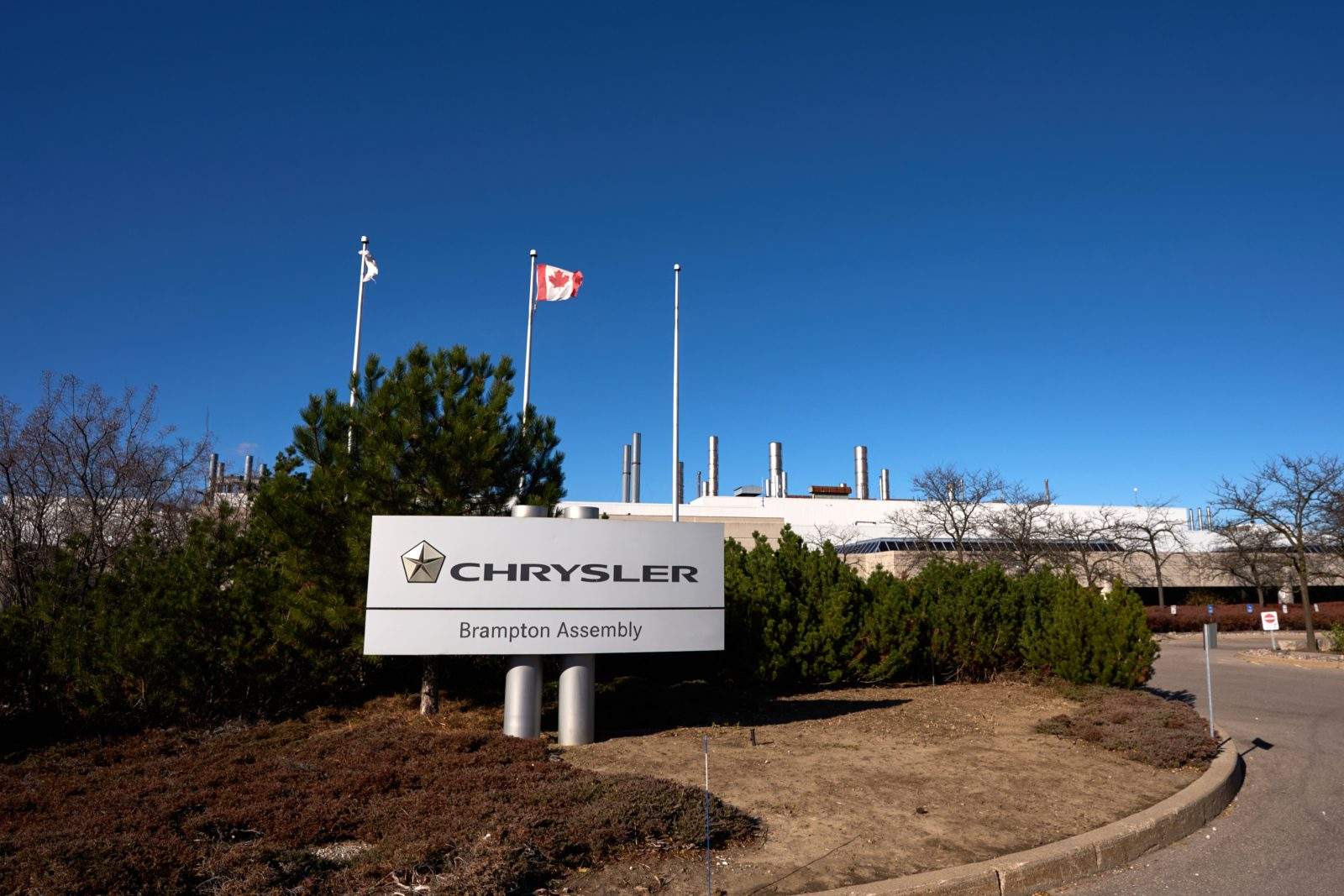
If you've been following the standoff over the Stellantis Brampton plant, you already know it's not a routine corporate real estate deal. It's a high-wire tug-of-war between a global automaker, Ottawa, Ontario, and Unifor over jobs, taxpayer money, and U.S. trade pressure. Following a meeting in Ottawa with a special envoy for Stellantis leadership—reported as North American chief operating officer Pablo Di Si—Joly described the discussion as constructive and pointed toward further talks in Toronto involving federal officials, Ontario, Stellantis, and Unifor.
Look closely at what's actually happening behind that diplomatic phrasing. A "constructive" meeting doesn't erase a announced sale to defence manufacturer Roshel, a 30-day notice of default over federal funding, or a clash over where the Jeep Compass gets built. It means neither side is ready to eat a massive bill or walk away from the negotiating table just yet.
Why the Stellantis Brampton Plant Standoff Got This Messy
To understand why Ottawa is pushing for a solution right now, you have to trace how an idled factory turned into a political powder keg.
Stellantis idled the Brampton assembly plant to retool for the Jeep Compass, with retooling starting in early 2024 before plans to build the model there were paused in early 2025 amid shifting trade conditions and 25-percent U.S. tariffs on Canadian-made vehicles. Later, Stellantis shifted planned Jeep Compass production to Illinois and, in November 2026, announced a deal to sell the idled Brampton site to Roshel, a Canadian defence and armoured vehicle maker.
Here's where things get sharp. Ottawa had a funding agreement tied to commitments in Ontario—worth up to $529 million—and Joly served Stellantis with a 30-day notice of default after the sale announcement, warning the automaker could be on the hook for hundreds of millions of dollars if it doesn't fix the conditions. Meanwhile, Stellantis has argued its global leadership, including CEO Antonio Filosa, faces tough commercial realities, and reports have also pointed to friction with Unifor over site access and legal disputes.
Let's be real about a common misconception here. Many people hear "sale to a defence company" and assume that automatically saves every auto job on paper. It doesn't work that cleanly. Defence manufacturing and high-volume passenger vehicle assembly have different supply chains, union dynamics, and timelines, even when a buyer like Roshel frames a deal around local opportunity.
What "Solution Mode" Actually Looks Like at the Bargaining Table
When a minister says she's in "solution mode" and wants "everybody... at the table", she's signaling that threats alone won't build cars or protect paycheques.
A 30-day default clock creates leverage. It forces executives to pick up the phone and send a senior envoy or negotiator to meet face-to-face. Yet threats are blunt instruments. If Ottawa simply sues to claw back money without a viable production plan, workers in Brampton and Windsor still face uncertainty.
Bringing federal officials, Ontario, Stellantis, and Unifor together in Toronto is an attempt to trade pressure for concrete commitments. In real-world industrial negotiations, those commitments usually revolve around a few practical levers:
- Production and investment guarantees: Whether Stellantis can be persuaded to keep vehicle manufacturing or future allocation tied to Ontario rather than exiting completely.
- Financial clawbacks vs. incentives: How federal and provincial support—and potential default remedies—are weighed against keeping a facility active versus paying carrying costs.
- Worker and union alignment: Addressing the concerns of roughly 2,200 affected workers and resolving friction with Unifor so negotiations don't stall out in courtrooms.
Based on what I've seen in large industrial disputes, governments rarely win by relying purely on press-conference toughness. The tough part starts when lawyers, finance teams, and union leaders sit in the same room and start trading numbers. What sounds great in a soundbite—like "protecting every job"—collides fast with tariff math, plant economics, and legal contracts.
What People Are Asking Right Now
Did Stellantis already sell the Brampton plant to Roshel?
Stellantis announced an agreement earlier in November 2026 to sell the idled Brampton assembly plant to Roshel. However, the federal government has pushed back hard, issued a notice of default under a federal funding agreement, and kept negotiations active with Stellantis, Ontario, and Unifor.
Why is Windsor mentioned alongside Brampton?
Joly specifically noted that her focus is protecting workers in both Brampton and Windsor. Southwestern Ontario's auto ecosystem is deeply interconnected—plants, suppliers, and union members across the region feel the ripple effects whenever a major assembly site's future is on the line.
Can Ottawa force Stellantis to build cars in Brampton again?
Governments can enforce funding agreements, demand repayments, and offer packages to keep operations in Canada, but they can't single-handedly will global vehicle demand or U.S. tariff policy away. A lasting deal depends on commercial viability alongside government and union terms.
Smart Next Steps If You're Watching This Closely
Don't judge this standoff by a single headline or a single "constructive" meeting. Watch what happens over the next few weeks as the default window ticks down and multi-party talks continue in Toronto.
If you're an autoworker, supplier, or local business owner in Brampton or Windsor, track official updates from Unifor and provincial/federal industry channels rather than rumor mill posts. If you're analyzing Canadian industrial policy or supply chain risk, pay close attention to two things: whether any binding vehicle commitment emerges from the four-party talks, and how Ottawa handles enforcement of its funding agreement if Stellantis sticks to its exit plan.
Talks are moving, tempers are high, and the real test isn't what gets said outside a caucus room—it's what gets signed on paper.
Joly reports 'productive meeting' with Stellantis negotiator as Brampton talks continue provides additional reporting on the ongoing negotiations between federal officials, Ontario, Stellantis, and Unifor over the Brampton plant.