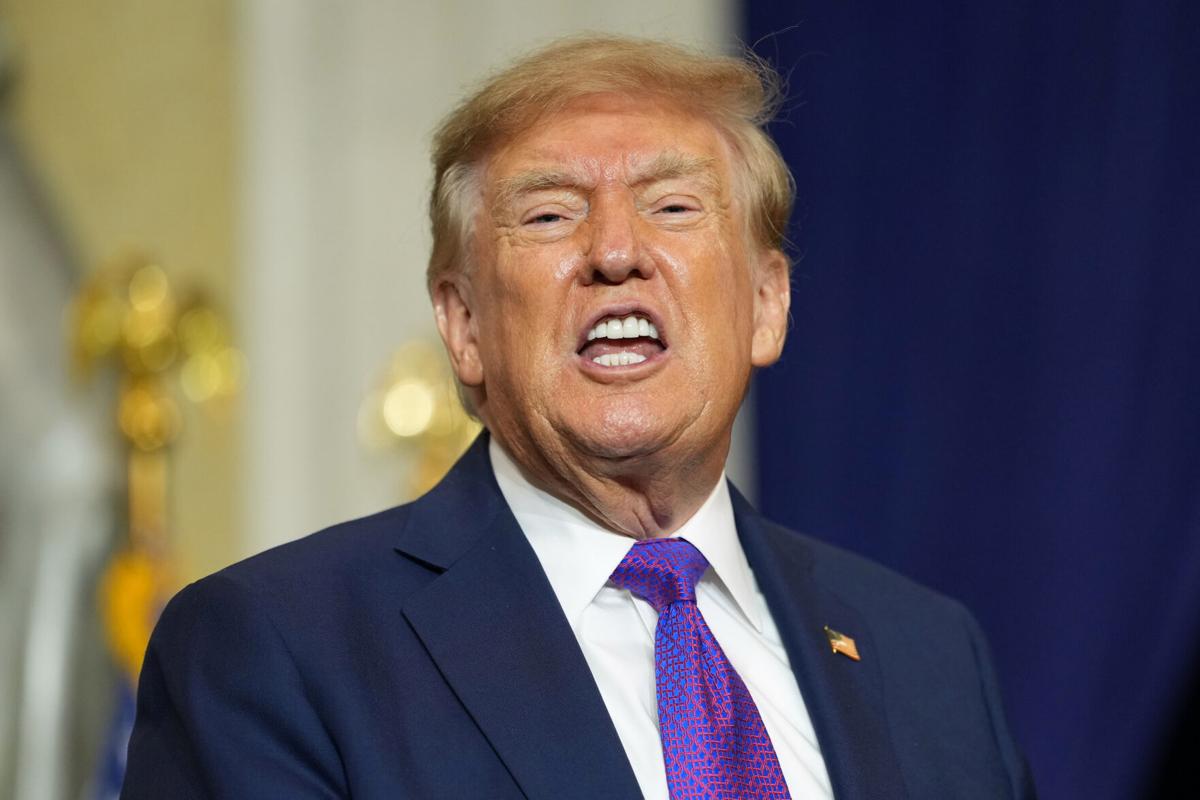
Can Donald Trump keep fighting the war with Iran even if Congress tightens the purse strings? Yes, at least in the short term—though his room to maneuver is shrinking fast ahead of the December 11 government funding deadline and the arrival of a Democratic-led 120th Congress on January 3, 2027.
I've watched plenty of Washington budget standoffs turn into high-stakes games of chicken over defense money, and this one isn't simple. A president doesn't need a special line item called "Iran War" on a checkbook to move ships, fly sorties, or keep aircraft carriers on station. The Pentagon has existing authorities, reprogrammable accounts, and presidential powers that let a commander-in-chief stretch dollars further than critics expect.
Still, stretch isn't infinite. With the cost of the conflict estimated around $47.1 billion by late October, equipment damage mounting, and lawmakers staring down a December 11 deadline that could trigger the third federal shutdown of 2026, the fight over Trump and the Iran war funding has shifted from abstract constitutional debate to cold cash and calendar math.
How a President Keeps Fighting When Congress Pushes Back
People hear "funding restrictions" and picture a switch flipping off. Washington doesn't work like that.
When Congress debates spending bills—or attaches riders to a continuing resolution—the White House has several ways to keep operations moving unless lawmakers write airtight, enforceable language that closes every loophole. Presidents have long relied on general defense appropriations, operation and maintenance accounts, and statutory transfer or reprogramming authorities to absorb unexpected costs.
Let's be honest about what that means in practice. Even when lawmakers try to box in the executive branch, an administration can argue that forces already deployed need protection, that readiness requires ongoing patrols, or that certain strikes fall under existing presidential authority rather than new hostilities. Legal scholars who track war powers—including analysts writing at Lawfare—point out that congressional resolutions alone don't carry the independent force of law unless passed as legislation and either signed by the president or enacted over a veto.
We saw how hard it can be for Congress to choke off an unpopular conflict through appropriations during the Vietnam era, when lawmakers spent years trying to curb Richard Nixon's war making with mixed results. Today's politics are different, yet the constitutional friction between the power of the purse and the commander-in-chief's operational control hasn't vanished.
Why Appropriations Riders Are Tricky to Enforce
Writing a funding ban that actually stops military action is harder than giving a speech on the House or Senate floor. If a restriction is too narrow, the Pentagon can route activity through another account. If it's too broad, lawmakers worry it might accidentally cut pay for troops, block intelligence gathering, or stop defensive responses to incoming fire.
There's also a timing trap. As The Times of Israel reported on November 25, 2026, Trump has indicated the war effort is funded into January, which points to a narrow window for major new operations if Congress clamps down or refuses to hand over every dollar requested.
Why the December 11 Deadline and January Shift Matter So Much
Timing is everything in this standoff. Lawmakers return after the holiday break at the end of November with a December 11 deadline to pass full-year spending bills or another stopgap measure. Missing that mark risks a third government shutdown in 2026—after earlier shutdowns this year centered on immigration enforcement rather than defense spending.
Trump has pushed for roughly $350 billion in additional defense funding on top of the $150 billion military bump enacted in last year's partisan reconciliation bill, aiming to push overall military spending toward $1.5 trillion. Democrats, meanwhile, are pressing to restrict funding for military operations tied to Iran, creating a direct collision in the lame-duck session.
Here's the catch that catches plenty of casual observers off guard. Even though Republicans still hold majorities during the lame-duck session, war fatigue and fiscal strain have complicated party discipline. And once the 120th Congress takes office on January 3, 2027, Democrats will have far more leverage over committees, subpoenas, and legislative vehicles.
The Real Price Tag Behind the Rhetoric
Budget fights get loud when the numbers stop fitting into routine Pentagon accounting. According to Associated Press reporting on October 28, 2026, the estimated taxpayer cost of the war had reached $47.1 billion, with separate reporting and congressional assessments highlighting dozens of damaged U.S. aircraft, billions in equipment losses, and potentially billions more in base repair needs.
When daily burn rates and hardware replacement costs climb into the tens of billions, "routine readiness" stops sounding routine. Every dollar funneled into sustained Middle East operations is a dollar that isn't going into long-term munitions restocking, domestic bases, or other theaters.
Common Misconceptions About War Funding and Congressional Power
A few myths keep popping up every time war funding hits the headlines. Clearing them up saves a lot of wasted outrage.
- Myth 1: A War Powers vote immediately ends military action. A concurrent resolution expressing Congress's view that forces should be withdrawn does not become binding law on its own. After the Senate rejected an Iran war powers measure in a 48–51 vote, supporters faced an even steeper climb against a likely veto.
- Myth 2: Funding caps stop defensive actions. Even strict anti-war riders usually face intense arguments over self-defense, force protection, and regional deterrence. Nobody in Washington wants to be blamed for leaving troops exposed if missiles fly.
- Myth 3: The White House can ignore spending limits forever. Courts rarely jump into live war-powers disputes on the merits, often citing political questions or standing hurdles, which means political and fiscal pressure—not a single court ruling—usually forces the reckoning.
- Myth 4: All Republicans love open-ended war spending. Fiscal hawks and voters tired of foreign entanglements don't automatically back endless escalations, especially when domestic affordability and budget deficits are front and center.
What to Watch Next if You're Tracking the Standoff
If you want to cut through the noise over the next few weeks, don't just listen to cable news shouting matches. Watch the legislative text and the calendar.
- Track the stopgap vs. full-year bill fight before December 11. Pay close attention to whether negotiators pass a clean short-term patch or attach binding restrictions on Iran operations and defense add-ons.
- Watch Senate Democratic leadership and caucus unity. Internal debates among Senate Democrats—including differences over how hard to push Iran funding limits versus accepting a bridge into early 2027—will shape how much leverage the party actually uses right now.
- Follow Pentagon cost disclosures and base-repair figures. Watch for updated cost tallies from the Defense Department and congressional watchdogs; big jumps in operating expenses or hardware losses usually harden congressional pushback.
- Look ahead to January 3, 2027. Once the 120th Congress convenes, expect tougher oversight hearings, sharper legislative riders, and renewed pressure to set clear boundaries on further escalation.



