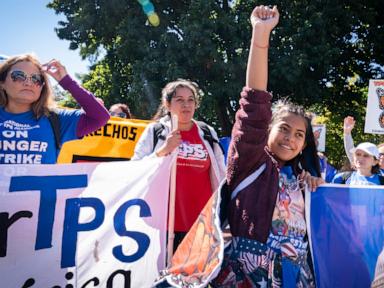
Venezuelan Temporary Protected Status isn't coming back right now. Even after a California federal judge ruled that ending those protections was unlawful, the U.S. Court of Appeals for the Ninth Circuit stepped in and froze the restoration order once again.
If you've been waiting on a court date to magically hand back work permits and deportation shields, slow down. A stay isn't a final victory for either side. It's a procedural pause button that keeps hundreds of thousands of people stuck in legal limbo while appellate judges and the Supreme Court wrestle over executive authority.
I've watched immigration dockets twist and turn for years, and honestly, the biggest trap people fall into during these emergency appeals is treating a temporary court order like a permanent status change. A stay can vanish, stretch out, or morph into a Supreme Court filing within hours. Right now, the termination remains in effect, expired work permits aren't automatically revived, and families and employers have to plan around reality rather than wishful headlines.
Why the Venezuelan TPS Appeals Court Order Keeps Shifting
To understand where things stand in November 2026, you have to look at how quickly the procedural ground has moved under everyone's feet. Congress created Temporary Protected Status (TPS) in 1990 to shield nationals of countries experiencing armed conflict, environmental disasters, or extraordinary temporary conditions from removal, granting designations in increments of up to 18 months. Venezuela first received TPS in March 2021 and saw its designation expanded in September 2023, bringing the total number of Venezuelans who have received TPS protections to roughly 600,000.
When the Trump administration moved to end those protections after earlier extension steps, litigation followed fast. A California-based federal judge ruled that stripping the protections was unlawful, which briefly looked like a lifeline for beneficiaries. Yet appellate courts and the Supreme Court have repeatedly intervened with emergency stays and remands—including sending the dispute back for reconsideration in light of Mullin v. Doe and related litigation over Haiti and Syria TPS terminations.
In late October 2026, the Ninth Circuit initially declined to block the lower court's restoration order, sparking hopes among advocates that protections might return around November 6. That expectation unraveled quickly. On November 3, the appeals court withdrew its October 30 order and granted a 14-day administrative stay tied to the Supreme Court's judgment taking effect on November 6. Then, as that temporary window neared expiration in mid-November, federal attorneys went back to the Supreme Court while the Ninth Circuit extended its temporary freeze until seven days after it issues a full ruling.
That whipsaw shows why reading wire headlines without checking the procedural posture is so risky. An administrative stay or temporary freeze doesn't settle whether the government acted lawfully under immigration statutes. It simply holds the status quo in place while higher courts review the merits and briefing schedules.
What This Pause Actually Means for Workers, Families, and Detainees
When TPS was terminated, work authorizations tied to those designations lost their validity, leaving employers and workers scrambling. A court stay halting a restoration order does not issue a fresh Employment Authorization Document (EAD) or automatically renew an expired card. If you're an employer keeping someone on payroll based on an assumption that a restoration order is "about to kick in," you're taking on compliance risk that a headline won't erase.
Detention is another flashpoint that gets glossed over in quick summaries. According to court filings reported in mid-November 2026, federal attorneys warned that if emergency court intervention didn't hold, the administration could face requirements to release roughly 1,800 Venezuelans from detention. Meanwhile, thousands of Venezuelans have already faced removal proceedings, detention, or deportation, while others chose voluntary departure, and no single firm count captures how many former TPS holders remain inside the United States.
From what I've seen in real-world immigration cases, two mistakes happen over and over during high-profile court stays:
- Dropping parallel claims too early: Some people assume a favorable district court opinion or an upcoming court date makes asylum applications, family petitions, or immigration court appearances unnecessary. Never abandon an active claim based on a temporary stay or a pending appeal.
- Confusing designation dates with individual eligibility: Not every Venezuelan in the U.S. fell under the exact same TPS designation, registration window, or re-registration timeline. Grouping everyone into one bucket leads to bad assumptions about work eligibility and travel.
Common Misconceptions About Emergency Stays and TPS
Plenty of rumors circulate whenever a federal court issues a stay. Let's clear up the biggest ones directly.
First, people often think a court "halting an order restoring TPS" means the appeals court permanently approved the administration's termination. Not true. A stay preserves the existing legal posture while the appeal continues. The underlying legal fight over statutory limits and executive discretion is still working its way through appellate review and Supreme Court filings.
Second, some assume that once a temporary pause expires on a calendar date, TPS snaps back into place like flipping a light switch. Courts routinely extend administrative stays, issue new orders, or act alongside emergency requests from the Solicitor General. Calendar dates in litigation are moving targets until a binding mandate or final ruling actually takes effect.
Third, international travel on TPS or advance parole is frequently misunderstood. Even when TPS is active under normal conditions, traveling abroad without proper authorization carries serious risks. During active litigation and stays, assuming a court order gives you safe re-entry is a gamble you shouldn't take without counsel.
Practical Next Steps If You or Your Business Are Affected
You can't control appellate briefing schedules, and you can't force USCIS to publish guidance a minute faster than its lawyers clear it. You can tighten up your documentation and avoid preventable mistakes this week.
- Audit and organize every immigration record: Gather copies of every I-797 notice, I-94 record, receipt notice, prior EAD card, and court filing showing your exact filing and status history. Keep digital backups alongside physical folders.
- Verify work authorization rules before making staffing calls: If you're a worker or an HR manager, check current USCIS TPS guidance and verify the exact legal basis for employment eligibility rather than relying on rumors or expired cards.
- Keep all other immigration pathways moving: Attend every scheduled immigration court hearing, respond to requests for evidence on time, and maintain any pending asylum or family-based applications.
- Get an individual legal screening: Because litigation updates—including filings tracked through the Ninth Circuit Court of Appeals and the Supreme Court of the United States—can shift on short notice, have a qualified immigration attorney review your specific designation history and alternative relief options.



