History isn't always sitting neatly in a textbook. Sometimes it's hiding in dusty court archives, waiting for an amateur historian to connect the dots.
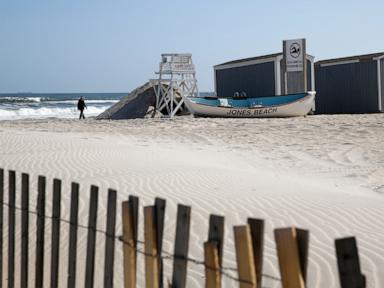
Recent archival findings have upended local New York lore, revealing that the namesake behind New York's iconic Jones Beach played a much darker, more active role in seventeenth-century piracy than anyone previously suspected. If you've spent any summer days lounging on the Atlantic shoreline of Jones Beach, you might look at those rolling waves a little differently now. Local history buffs have dug up records pointing straight to Thomas Jones—the man who gave the famous barrier island its name—as a direct collaborator in a brutal Red Sea pirate heist.
The Untold Story Behind the Jones Beach Name
Most beachgoers know nothing about Thomas Jones beyond the name on the highway signs. He arrived on Long Island in the late 1600s, built a substantial brick house in Massapequa, and established a prosperous whaling and property business. He was ambitious, wealthy, and deeply connected to the colonial elite of New York.
However, ambition in colonial New York often blurred the line between legitimate trade and outright piracy. Local courts and newly examined colonial manifests suggest that Jones wasn't just a tough-minded businessman. He was allegedly mixed up in the illicit logistics network that supported oceanic plunder.
The crown jewel of these investigations centers around an infamous pirate raid in the Red Sea. When stolen treasures, exotic goods, and blood-soaked loot needed a quiet landing spot away from British naval inspectors, colonial collaborators were essential. Jones appears to have been one of those crucial cogs in the wheel.
Why Colonial Elites Looked the Other Way
It's easy to wonder how prominent landowners got away with aiding outlaws. The truth is simple. Colonial New York was desperately short on hard currency. Pirates like Captain William Kidd and his contemporaries brought back chests of silver, gold, and valuable Eastern silks that injected much-needed capital into an isolated frontier economy.
Governors turned a blind eye. Merchants made fortunes. Local landowners provided safe harbor, food, and plausible deniability. Jones wasn't operating out in the cold. He was plugged right into a system where everyone from the local militia to elite politicians took a cut of the proceeds.
Amateur historians pouring over these forgotten dockets are piecing together a world that was far more lawless than our modern romanticized versions of colonial America. It wasn't about peg legs and parrots. It was about cold cash, political corruption, and smuggled treasure coming ashore under the cover of a foggy Long Island night.
Separating Local Legend from Hard Archive Data
For generations, Long Island was overflowing with loose folklore about buried chests, secret coves, and ghostly pirate ships. Local tour guides loved telling tall tales, but professional academics often dismissed them as pure fiction.
This recent breakthrough changes the conversation. By leaning on primary source documents rather than old campfire stories, researchers are proving that the pirate connection wasn't just a myth. The shadow of piracy touched the very foundations of New York's most famous coastal real estate.
If you want to understand how modern New York was built, look past the gleaming skyscrapers and trace the money back to the shore. It was built on the backs of privateers, smugglers, and men like Thomas Jones who knew how to turn a profit from stolen gold.
Next time you pack a cooler and head down the Wantagh Parkway toward the ocean, remember what lies beneath the historical surface. That stretch of sand isn't just a place to catch some sun. It's a monument to the shady deals of a very dirty colonial past.
Explorer Claims He's Found Pirate Ship Treasure
This video provides additional context on real-world historical pirate discoveries and how modern researchers track down lost maritime loot.