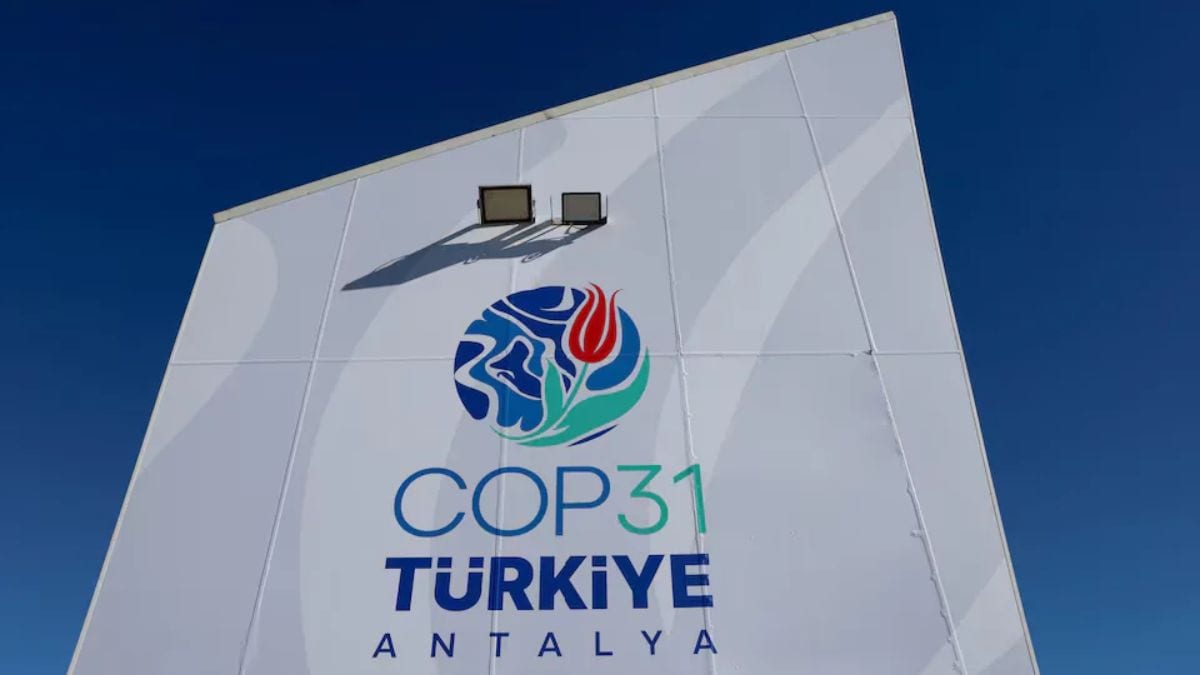
The annual global climate circus is underway once again. As the COP31 summit kicks off in Antalya, Turkey, the usual diplomatic posturing has taken center stage. But beneath the surface-level rhetoric about saving the planet, a heavy battle over money, technology, and national sovereignty is playing out. India has arrived with a very specific, no-nonsense agenda, and it's time to break down what New Delhi is actually pushing for.
If you look past the optimistic press releases, international climate talks usually boil down to one brutal question: who pays the bill? Developed nations love setting ambitious emission targets for everyone else, but they routinely drag their feet when it comes to coughing up the cash required to meet them. India's delegation, led by Union Environment Minister Bhupender Yadav, isn't buying empty promises this time around.
Fighting for the Global South Without Apology
India isn't just negotiating for its own backyard. It's positioning itself as the primary voice for the Global South, a bloc of developing nations that contributed the least to historical greenhouse gas emissions yet suffer the most from extreme weather.
The core argument from New Delhi is simple: you cannot demand aggressive climate action from countries still lifting millions out of poverty without providing real financial backing. India is pushing back hard against top-down climate targets that ignore local economic realities. Mitigating emissions needs to stay party-driven and non-punitive. If wealthy countries want rapid decarbonization globally, they have to fund it with predictable, grant-based resources rather than commercial loans that trap developing economies in endless debt cycles.
The Real Battleground Over Climate Finance and Adaptation
Most media coverage of climate summits focuses entirely on emission reduction targets. That is a massive blind spot. For countries facing rising sea levels, erratic monsoons, and devastating floods, adaptation is a matter of immediate survival.
At Antalya, India is making it clear that indicators under the Global Goal on Adaptation must remain voluntary. Why? Because developing nations refuse to let adaptation metrics be weaponized as bureaucratic hurdles or conditional checkpoints to block access to international funds.
Furthermore, money allocated for adaptation cannot just be repackaged as high-interest debt. Small and marginal farmers, coastal communities, and fragile rural ecosystems are already bearing the brunt of climate shifts. India is tying its negotiation strategy directly to agricultural resilience and food security, demanding that climate finance actually reaches the ground where it's needed most.
Technology Transfer Is an Obligation, Not Charity
You cannot talk about green transitions while keeping green technologies locked behind expensive intellectual property walls and punitive trade barriers. This is one of India's strongest talking points at COP31.
Clean energy innovations like advanced solar manufacturing, green hydrogen storage, and high-efficiency grid management shouldn't be treated as proprietary luxury goods owned exclusively by Western corporations. India is arguing that technology transfer is a core obligation of developed countries. Addressing trade restrictions and cost barriers is non-negotiable if the world expects emerging economies to scale up clean tech rapidly.
At the same time, India is maintaining a cautious stance on carbon markets, insisting that participation must stay strictly voluntary rather than turning into another compliance trap managed by wealthy nations.
What Happens Next in Antalya
With Turkey holding the COP presidency and Australia leading the complex negotiation tracks, the next two weeks will test whether international climate diplomacy can move past hollow commitments.
India's strategy is clear: act as a constructive bridge-builder alongside blocs like the G77, China, and the BASIC group, but refuse to accept obligations that compromise domestic growth. If the summit fails to deliver real solutions on finance and technology, expect New Delhi and other developing economies to call out the hypocrisy louder than ever.
Watch how rich nations respond to these demands over the coming days, because the outcome in Antalya will dictate the speed of the global energy transition for years to come.



