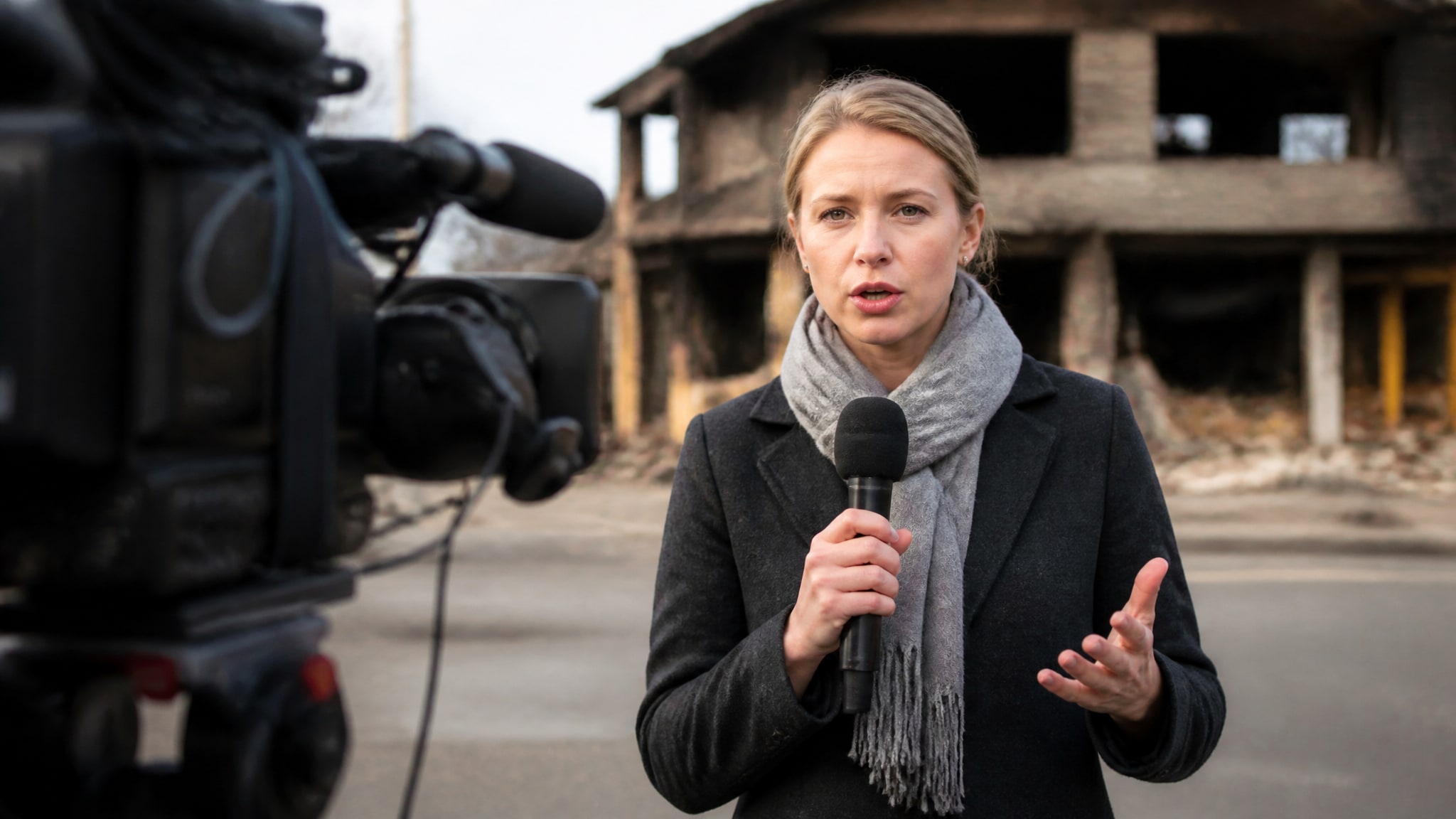
Borders change overnight. Treaties get signed in air-conditioned rooms. But the physical and mental toll of displacement stays with families long after the headlines fade away.
We talk about refugees in broad strokes. Numbers on a screen. Geopolitical chess pieces moved across a map. We rarely talk about what happens to someone's nervous system when their entire world is upended. Displacement isn't just an administrative crisis or a temporary logistical hiccup. It's an amputation of identity.
The Anatomy of Forced Upheaval
When you're forced to flee your home, you don't just lose walls and a roof. You lose the specific scent of rain on your local street. You lose the soil where your ancestors were buried. You lose the quiet certainty of knowing where the nearest pharmacy is.
I’ve watched international policy debates get bogged down in technicalities while real people live in tents that turn into ovens in the summer and freezing traps in the winter. The physical scars heal. The invisible ones don't.
When researchers look at long-term displacement data from conflict zones—whether in Myanmar, the Middle East, or parts of Africa—the story is always the same. Aid runs low. Host populations grow fatigued. Bureaucracy turns hostile. And the displaced are left stranded in a permanent state of temporary living.
Why Temporary Becomes Permanent
Governments love the word "temporary." Temporary camps. Temporary shelters. Temporary relief measures.
Except temporary often stretches into decades. Children are born, grow up, and have their own children inside wire-fenced enclaves. They hold onto keys to front doors that no longer exist. They practice traditions from a homeland they've never actually seen.
This creates a psychological trap. You can't fully integrate into your host country because your bags are mentally packed for a return that never comes. At the same time, you can't go back because the conditions that drove you out remain dangerously intact.
The Psychological Weight Nobody Mentions
Most reporting on refugees focuses on physical survival. Do they have clean water? Are there enough rations? Can the children go to school?
Those questions matter. But they miss the quiet erosion of human dignity.
When you depend entirely on aid organizations for soap, flour, and medicine, something shifts inside you. Autonomy vanishes. Every decision, from what you eat to when you sleep, is dictated by logistical constraints managed by strangers.
Experts in trauma psychology note that chronic displacement induces a unique form of prolonged grief disorder. It's not just PTSD from the violence that caused the flight. It's the daily, grinding trauma of powerlessness.
Moving Past Compassion Fatigue
It's easy to feel overwhelmed by global crises. The scale of human suffering makes people want to look away. Compassion fatigue is real, and governments use it as an excuse to tighten borders and slash humanitarian budgets.
We need to change how we talk about displacement. Stop viewing displaced people as passive victims waiting for a handout. They are survivors managing impossible odds.
If you want to understand the true cost of war or political collapse, look at the elderly woman carrying her entire life in a plastic bag across a border. Look at the teenager trying to study for exams under a flickering tent light.
Support grassroots organizations that provide legal aid, mental health counseling, and vocational training inside refugee settlements. Push your local representatives to maintain humanitarian funding. Pay attention to the crises that aren't trending on social media anymore.
The wounds of displacement don't vanish when the cameras turn off. Neither should our attention.



