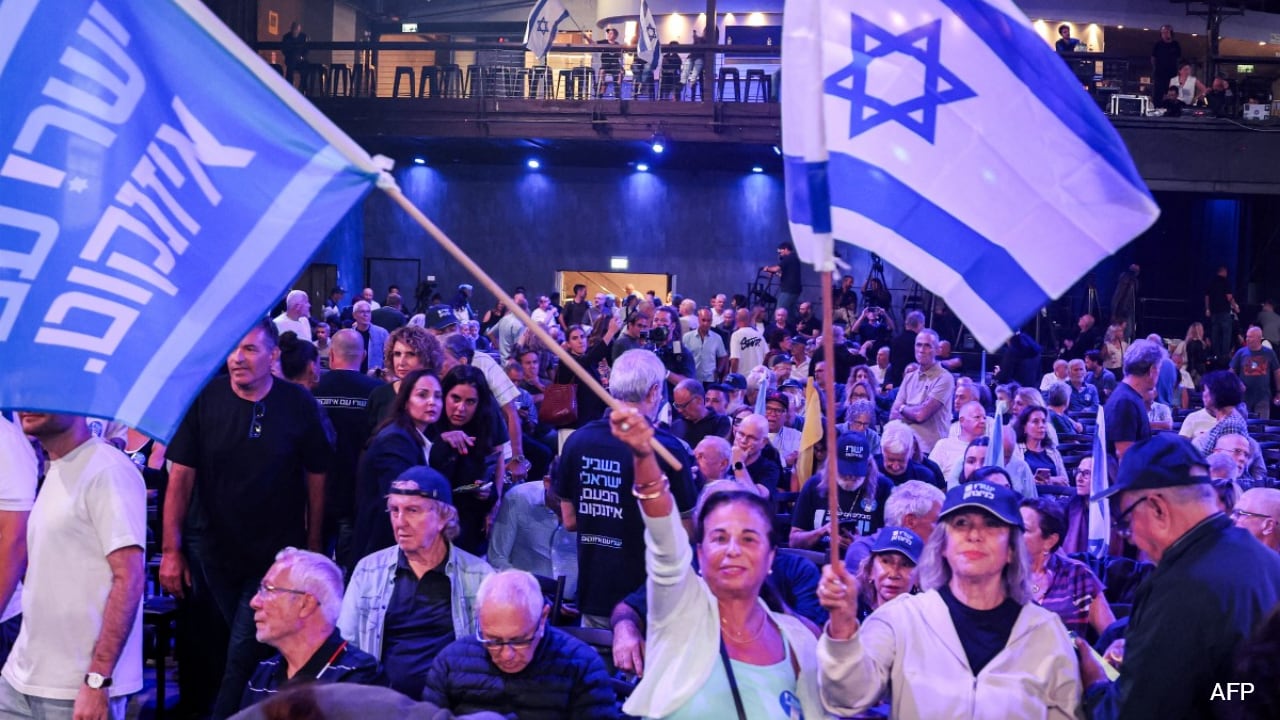
The moment the last polling station locks its doors across Israel, the real chaos begins. Most people think an election night brings a neat, clean winner. They watch the screens waiting for a single headline to wrap up the drama. In Israeli politics, that script never plays out.
When the clock strikes ten at night, TV networks drop their exit polls. That is when the race starts getting messy. You see, an election in the 120-seat Knesset is never just a simple head-to-head matchup. It is a mathematical puzzle wrapped in intense tribal politics, especially with the heavy weight of the post-October 7 security reality hanging over every single voter. No single party in Israel's history has ever won an outright majority on its own. That means the night of the vote is merely the opening bell for weeks of backroom horse-trading.
The Exit Poll Trap
Do not trust the 10:00 PM numbers entirely. Exit polls give you a quick glimpse, but they are notorious for missing the subtle shifts of smaller factions.
Israeli proportional representation uses a strict 3.25 percent electoral threshold. If a small faction misses that mark by just a few hundred votes, millions of votes shift and entire governing blocks suddenly collapse or rise. Networks spend the entire night updating their numbers as real ballot boxes trickle in from military bases, hospitals, and remote towns.
By sunrise, the initial trends harden. Yet, knowing who got the most votes is only half the battle. The real question is who can actually cobble together a coalition of 61 seats.
The President Steps In
Once the Central Elections Committee finishes counting every legal ballot—usually taking a few days—the formal machinery of state kicks into gear. President Isaac Herzog takes center stage.
Instead of automatically handing the mandate to the leader of the largest party, Herzog summons representatives from every single party that cleared the threshold. They sit down in closed-door consultations and tell the president whom they want to see as prime minister. It looks polite on television, but it is an intense lobbying effort.
Herzog then picks the candidate he judges to have the highest mathematical probability of building a stable coalition. That nominee gets a strict window of 28 days, with a possible 14-day extension, to sign up coalition partners.
The Coalition Bazaar
This is where things grind down to a painful halt. Coalition talks in Jerusalem are legendary for their brutality.
Small fringe parties, often holding just four or five seats, suddenly find themselves holding all the cards. They act as kingmakers. They can demand crucial cabinet portfolios, billions in discretionary funding for their constituencies, or sweeping legislative changes.
If the primary nominee fails to pull together 61 signatures before the clock runs out, the president shifts the mandate to someone else. Or worse, the country faces another snap election. While everyone fights over ministries, the outgoing government stays on as a caretaker administration, freezing major policy decisions for months on end.
If you want to track Israeli politics, ignore the exit polls. Watch the tiny factions instead. They dictate who actually runs the country long after the ballots are gone.



