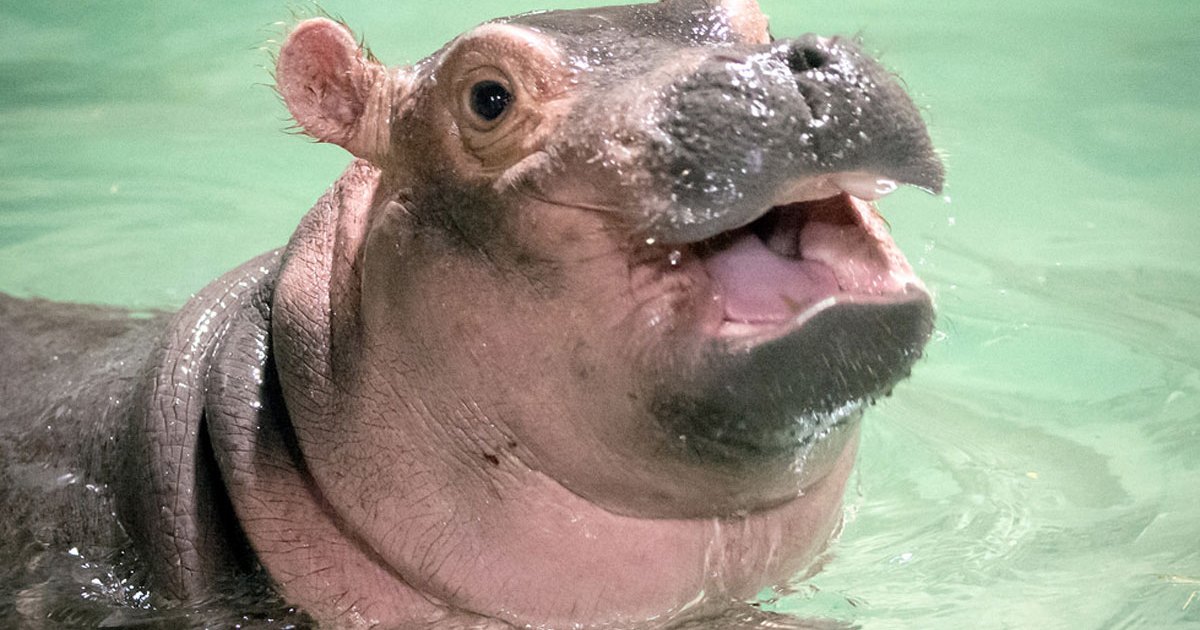
Fiona the hippo died in November 2026 at age nine after swallowing a visitor's knit hat that bounced off a ceiling fan and landed in her enclosure at the Cincinnati Zoo & Botanical Garden.
It sounds like a slapstick cartoon until you realize what it cost. A toss in the air, a deflected cap, a one-foot gap above 12-foot viewing windows, and a beloved animal that millions watched grow up is gone. Honestly, that's the part that hits hardest. Not some dramatic zoo break-in or cruel neglect, just an ordinary afternoon that went sideways in two seconds.
When breaking news like this hits, most outlets rush out a quick summary: she was born six weeks early in January 2017, she weighed only 29 pounds at birth, she became an internet icon, and now she's gone. True enough. Still, if you care about wildlife management or public spaces, stopping at the surface misses why this happened and why it's so hard to fix once an animal swallows something like that.
How a Knit Hat Turned Into a Fatal Medical Emergency
According to reports from the Associated Press and the Cincinnati Zoo, the hat entered Fiona's Hippo Cove habitat on November 8 after being tossed into the air near the viewing area, hit a ceiling fan, and sailed through an opening above the glass. Zoo spokesperson Michelle Curley called it a freak accident—the kind of chain reaction nobody designs for because it takes three improbable things lining up at once.
At first, Fiona didn't even seem sick. She was asymptomatic right after ingesting the hat. That delay fools a lot of people, both keepers and visitors. A soft knit cap doesn't look like a sharp metal bolt, so you might assume it will either break down or pass through without drama.
It doesn't work like that in a massive herbivore's gut. Days later, Fiona's appetite dropped. By the time the zoo publicly shared what was happening, vets and keepers were monitoring her around the clock, adjusting feedings to help push things along, checking hydration, and trying creative interventions—including a colonoscopy and borrowing a vibration plate from a horse farm to encourage movement through her digestive tract.
Here's the brutal reality of treating a full-grown Nile hippopotamus: you can't just open her up like a household pet. Specialists indicated surgery wasn't an option for a hippo of Fiona's size. You're dealing with immense anatomy, high anesthesia risks, and a digestive system built for plant matter, not synthetic or tightly woven fibers that can tangle, stall, or block passage. Even after 11 days of round-the-clock care, her body couldn't clear it.
Why Freak Accidents Keep Happening Around Exhibits
I've spent plenty of time looking at how public attractions balance openness with safety, and visitors almost always underestimate how tight that trade-off is. Put up floor-to-ceiling enclosed glass everywhere and people complain about glare, heat, or feeling boxed away from the animals. Leave small ventilation gaps or open ceiling areas near viewing galleries, and physics eventually tests the layout.
Nobody sets out to harm an animal with a winter beanie. Kids toss hats, parents look away for a second, breezes catch light items, and ceiling fans move air—and occasionally whatever floats into them. Yet this isn't an isolated quirk of one zoo. Over the years, zoos worldwide have seen tragic outcomes from items dropped or tossed into habitats, from a polar bear in Germany that died in 2014 after swallowing a visitor's dropped jacket to a rare antelope in Tennessee choking on a plastic pouch cap a couple of years back.
That doesn't mean the Cincinnati Zoo was reckless. Far from it. Any facility running live animal habitats with thousands of daily guests has to make judgment calls on airflow, sightlines, and barrier design. Still, when a bizarre trajectory beats a barrier, it exposes how unforgiving foreign-object ingestion is once it happens.
Blaming a single family online feels easy in the heat of grief, and plenty of people pushed back against that instinct on social media. Fair enough—accidents happen. What matters more is what changes afterward. When a high-profile loss like Fiona occurs, zoos face real pressure to audit every gap, fan placement, and overhang near public walkways, even the spots that seemed harmless for years.
From Premature Underdog to Global Icon
Fiona's story mattered so much because she wasn't just another cute baby animal clip. Born six weeks premature in January 2017 at 29 pounds—well below the lowest recorded birth weight for her species at the time—she couldn't stand on her own at first. Keepers gave her custom milk formula through frequent tube feedings, managed fluids via IV, and let the world watch an underdog fight for every ounce of strength.
Over nearly a decade, she became a fixture of Cincinnati life and internet culture alike. She inspired children's books, merchandise, a younger brother named Fritz born in 2022, and countless family trips. Ohio Governor Mike DeWine called her a true icon, sports teams in the city paid tribute, and visitors quickly began leaving flowers and notes by a hippo statue outside the zoo.
Watching an animal grow from a fragile newborn into a nine-year-old adult creates a bond that feels weirdly personal, even if you never set foot in Ohio. When she died, it didn't just end a news cycle; it closed out a shared chapter for people who had followed her since 2017.
What You Should Actually Do Near Animal Habitats
If you visit a zoo, wildlife park, or sanctuary, treat every barrier like a hard boundary, even when it looks low, open, or breezy.
- Keep loose gear secure: Hold onto hats, sunglasses, phones, toys, and snack pouches near railings and viewing windows, especially when carrying kids or walking past fans and vents.
- Never toss or dangle items: Even a harmless-looking toss for a photo or a laugh can deflect off a fixture or gust of air straight into an enclosure.
- Alert staff immediately if something drops: Don't wait and don't try to fish it out yourself; tell a keeper or guest services right away so they can retrieve it before an animal investigates or swallows it.
- Respect off-exhibit notices: When an area closes or an animal is kept out of sight for care, give the team space and follow posted directions without trying to peek into restricted zones.
Small habits prevent big tragedies. Secure your stuff before you step up to the glass, and speak up the second something slips.



