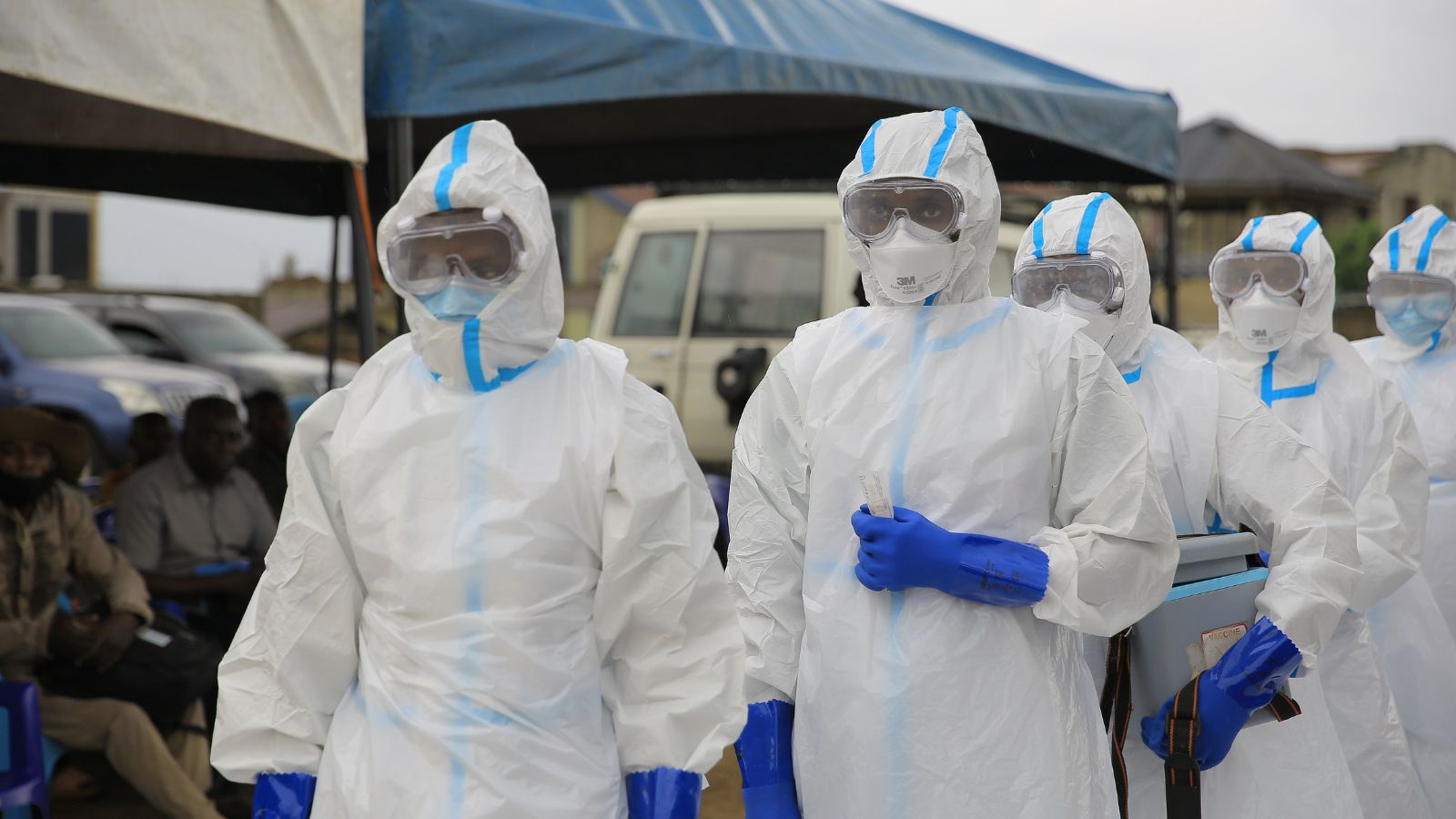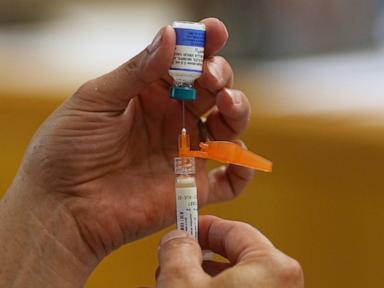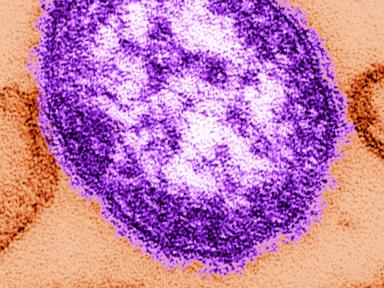
Newborns shouldn't have to fight a disease we supposedly conquered a quarter-century ago. Yet here we are. Doctors across the United States are sounding alarms over a terrifying, once-rare phenomenon: babies born with congenital measles. When the Centers for Disease Control and Prevention reported over 112 documented measles infections during pregnancy alongside a steady slide in vaccination rates, pediatricians knew the worst was coming. The United States officially lost its measles elimination status, a hard-earned badge we held since 2000. For expecting parents and pediatric specialists, this isn't just a statistical milestone on a public health dashboard. It's a frontline emergency.
Most people think of measles as a childhood hurdle featuring a fever, a rash, and a miserable week in bed. They assume that if you dodge it as a kid, you're fine. They assume herd immunity has your back. But herd immunity has fractured. When community vaccination rates drop below the critical 95 percent threshold required to stop transmission—with national kindergarten coverage sliding to 92.4 percent—the virus finds every crack in our armor. Adults who missed shots or whose immunity waned over decades are catching it. And when pregnant women contract the virus, the stakes multiply instantly.
The Breaking Reality Of Congenital Measles In America
You'd think routine prenatal screenings would catch everything. They don't. Historically, congenital measles was practically unheard of in modern American medicine. Doctors trained decades ago read about it in textbooks as a historical anomaly or an issue confined to regions with near-zero vaccine access. Today, that luxury is gone.
The numbers tell a grim story. A recent medical journal analysis highlighted 13 confirmed congenital measles cases from early 2025 through September alone. Behind those dry figures lie real families caught completely off guard. Many infected pregnant women had no idea their childhood vaccinations had lost potency, or they belonged to communities where misinformation created pockets of extreme vulnerability.
Dr. Adam Ratner, an infectious disease specialist with the American Academy of Pediatrics, has pointed out the harsh reality of this resurgence. It's not just that pregnant women are getting sick; it's that the medical establishment is flying blind in several key areas. When a pregnant person contracts measles, the virus crosses the placenta. It attacks the developing fetus before the immune system has even begun to build defenses.
Why Preconception Immunity Is Failing Families
The modern immunization landscape—honestly, let's call it what it is: a patchwork of hesitation and complacency—has left adults vulnerable. Many people assume childhood shots provide lifelong armor against everything. But measles titers can wane over decades, especially in populations that relied solely on imperfect vaccine rollouts or missed booster recommendations.
When a pregnant woman is exposed, her doctor faces an immediate puzzle. Obstetricians aren't always accustomed to screening for measles during routine prenatal visits because it simply wasn't circulating widely enough to warrant routine panic. Now, clinical guidelines require heightened awareness in any region experiencing localized outbreaks. If a pregnant patient presents with fever and a cough, healthcare teams must immediately consider measles exposure before a rash even develops.
The Denominator Problem In Public Health
Tracking this crisis is remarkably difficult. Public health researchers call it the denominator problem. Because mild cases of measles during pregnancy often mimic other viral illnesses or go completely unnoticed, many prenatal infections slip past local health departments. In some states, restrictive reporting laws or overwhelmed local clinics mean infant outcomes go unrecorded.
Without a reliable national database tracking every congenital exposure, doctors must rely on fragmented hospital alerts and state-level dashes. Michael Osterholm, director of the University of Minnesota's Center for Infectious Disease Research and Policy, didn't mince words when labeling this outbreak a brand new phenomenon for modern American healthcare. We are dealing with an ancient pathogen operating in a modern population that has grown dangerously complacent.
Understanding The Hidden Danger To Newborns
When a baby is born with congenital measles, the presentation isn't always neat. Parents expect a classic red rash covering the skin from head to toe. Sometimes, that rash is delayed by days, appears completely atypical, or never shows up at all.
Instead, doctors encounter newborns presenting with erratic fevers, unexplained jaundice, or respiratory distress. Some infants appear completely fine at birth, tricking exhausted parents and medical staff into a false sense of security before multi-organ failure or severe neurological symptoms strike. This latency makes diagnosis a high-stakes detective game. Pediatricians have to interrogate maternal infection timelines down to the exact day of rash onset. If a mother develops a measles rash within two weeks before delivery, the newborn enters the world carrying an active, dangerous infection.
Why The Infant Immune System Cannot Cope
An infant's immune system is naturally naive. When exposed to a relentless respiratory virus like measles—which hangs suspended in indoor air for up to two hours after an infected person leaves a room—a newborn stands defenseless. The measles virus attacks epithelial cells, suppresses the immune system, and wreaks havoc on organs that are still learning how to function independently.
Pneumonia and acute encephalitis are immediate threats. Parents often underestimate how quickly a respiratory infection turns catastrophic in an infant weighing less than ten pounds. Hospitals in current hot spots like Pennsylvania and Wisconsin have seen pediatric units stretched thin, dealing with complications that doctors twenty years ago only saw in medical journals.
Medical Complications Beyond The Common Rash
The immediate battle in the NICU is brutal, but the long-term shadow is even darker. Measles isn't just an acute illness you survive and forget. It leaves biological scars.
Consider subacute sclerosing panencephalitis, universally known as SSPE. This rare, fatal brain disorder develops years after an initial measles infection. It destroys cognitive function, motor control, and ultimately claims the child's life. Dr. Ratner and other pediatric infectious disease experts have voiced deep concern that children born with congenital measles face a significantly elevated risk of developing SSPE. Worse yet, it may manifest much faster than it does in children infected later in childhood.
Imagine watching your child beat the acute phase of a neonatal infection, only to face a ticking neurological clock years down the road. That is the nightmare pediatricians are trying to prevent through aggressive public health outreach.
Prevention Protocols And Treatment Realities
You cannot simply vaccinate your way out of the crisis once pregnancy begins. The measles, mumps, and rubella vaccine is a live-virus vaccine. Administering it to a pregnant person is strictly contraindicated because the live virus could harm the developing fetus.
This creates a narrow window for action that requires meticulous planning long before conception. Doctors urge anyone planning a family to verify their MMR antibody titers and complete the two-dose series well before getting pregnant. Once vaccinated, guidelines recommend waiting at least 28 days before attempting conception.
Navigating Post Exposure Options For Unvaccinated Parents
What happens if an unvaccinated pregnant person walks into a room where someone was contagious two hours prior? Panic doesn't help; speed does.
If exposure occurs, medical protocols dictate administering an immune globulin injection within six days. This passive antibody infusion doesn't cure an established infection, but it blunts the severity and gives the body a fighting chance to fend off the virus before it crosses the placental barrier. Hospitals and obstetric clinics must keep these biologics readily available, something that hasn't always happened during rapid regional surges.
What Pediatricians And Families Must Do Next
We cannot lecture our way out of declining vaccine confidence, nor can we rely on outdated assumptions about herd immunity. The loss of the United States measles elimination status should serve as a jarring wakeup call.
If you are planning to grow your family, check your vaccination records today. Don't guess whether you had your MMR shots decades ago; pull the state registry or get a blood titer test. If you are a healthcare provider, look beyond standard symptom checklists when evaluating pregnant patients with fever or jaundice. Ask about exposure histories in waiting rooms and community gatherings.
Protecting the youngest among us requires vigilance, honesty about our public health vulnerabilities, and a refusal to let preventable diseases dictate the future of American healthcare. Check your records, talk to your doctor, and close the immunity gaps before the virus finds them first.