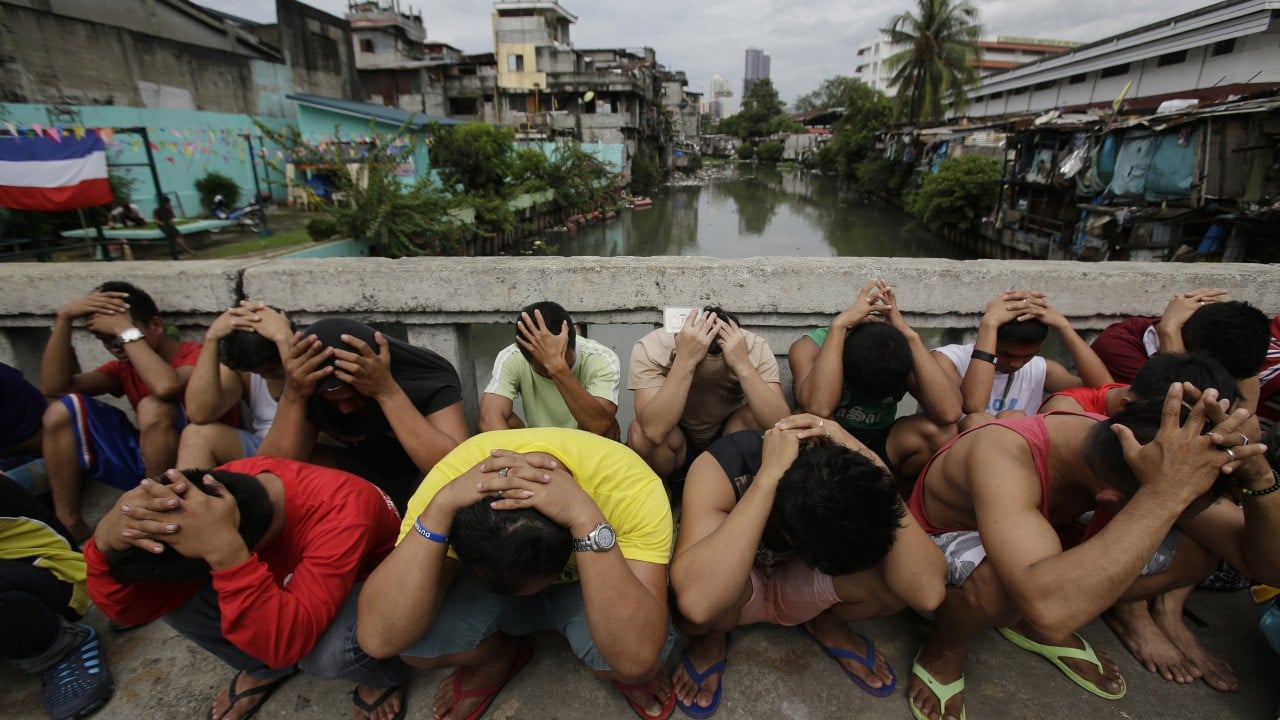
Decades of heavy-handed crackdowns haven't solved a fundamental geographic reality. The Philippines remains an ideal transshipment hub and market for transnational drug syndicates, and no amount of political theater changes that.
If you look past the headlines about high-profile seizures and political finger-pointing, a much more structural vulnerability emerges. Networks like Sam Gor—the massive Asia-Pacific syndicate uniting major triad groups—keep finding open doors in Southeast Asian archipelagos.
Geography dictates the trade. Let's look at why this country stays at the center of the regional narcotics pipeline.
Porous Borders and Maritime Blind Spots
The Philippine archipelago consists of over 7,000 islands. Policing that much coastline is basically impossible with standard maritime assets.
Transnational criminal networks exploit these vast maritime blind spots. Cargo ships drop anchor in international waters or remote coastal zones, transferring multi-tonne shipments of methamphetamine—locally known as shabu—onto smaller local watercraft. Law enforcement agencies simply lack the radar coverage and fast-response vessels required to seal off every inlet.
When syndicates can move billions of dollars worth of precursor chemicals and finished product through backdoor entry points, domestic crackdowns on street-level dealers mean very little. The supply pipeline stays open.
The Economics of Domestic Demand
Supply follows demand. Despite years of intense law enforcement pressure, the domestic market for stimulants remains stubbornly high.
Economic vulnerability plays a massive role here. In working-class communities where daily survival is a grind, cheap stimulants often find a market among laborers trying to endure grueling shifts. Syndicates know this. They aren't just using the Philippines as a pit stop for cargo moving onward to Australia, New Zealand, or Japan; they are feeding a lucrative local consumer base that generates steady cash flow.
Institutional Bottlenecks and Financial Secrecy
Stopping modern transnational syndicates requires tracking digital money trails and complex corporate fronts. Right now, local authorities face serious structural hurdles.
Consider recent pushes by officials like Interior Secretary Jonvic Remulla to classify major drug syndicates as terrorist networks. The goal is clear: unlock tougher counter-terrorism financing laws that force banks to flag suspicious transactions. Traditional drug trafficking charges often get bogged down in bureaucratic red tape and stringent privacy laws.
Without legislative updates that treat cartels like global terror outfits, investigators struggle to pierce the shell companies used to launder drug money through local casinos and real estate developments.
Moving Beyond Outdated Playbooks
For years, the public narrative focused almost entirely on street-level enforcement. That approach ignored the boardroom operators and international kingpins pulling the strings from safe havens abroad.
If authorities want to break the cycle, policy must shift toward regional intelligence-sharing and maritime surveillance upgrades. Treating transnational syndicates as corporate security threats rather than mere local crime problems is the only way forward. Until those systemic gaps close, the archipelago will stay firmly in the crosshairs of global drug networks.