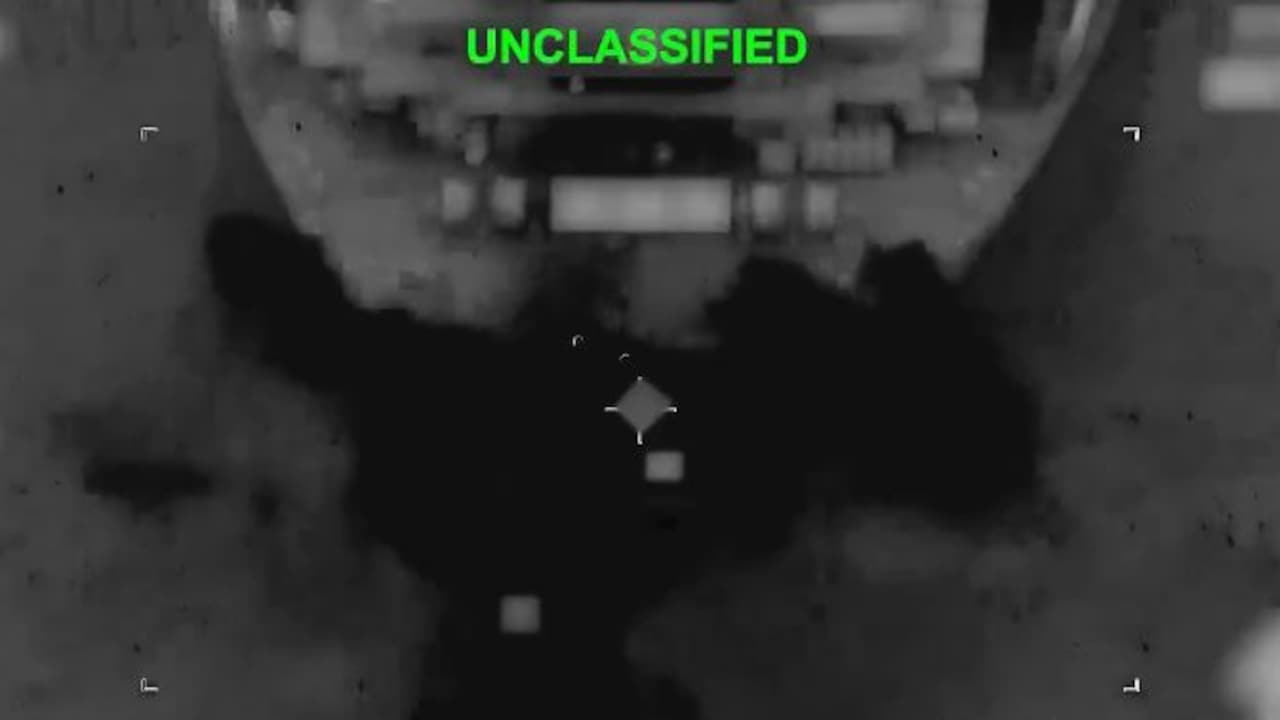
U.S. military aircraft hit the stern of the Palau-flagged vessel M/V Pacific Archer with precision munitions in the Gulf of Oman on November 26, 2026, disabling its propulsion after it left Bandar Abbas and tried to run the naval blockade on Iranian ports.
No civilian crew members were hurt. Still, the strike matters way beyond a single crippled hull. It shows how brittle maritime trade around the Strait of Hormuz has become—and why basic wire-service recaps miss the real tug-of-war happening on the water.
When you read a quick news item like NDTV's wire summary, you get the headline facts: U.S. Central Command (CENTCOM) announced the strike on Friday, November 27, 2026, following Thursday's incident, while Iranian adviser Mohammad Mokhber vowed Tehran won't reopen the Strait of Hormuz or accept the blockade. That's the surface layer. Look closer, and you see two competing strategies colliding in real time.
Why the Naval Blockade on Iranian Ports Is a Two-Way Squeeze
Most people picture a naval blockade as a clean wall at sea. It isn't. Out here, it's a messy, high-friction push and pull between interdiction at sea and pushback inside a narrow chokepoint.
Washington reimposed its blockade on vessels entering or leaving Iranian ports in July 2026 after an earlier spring round. According to U.S. Central Command reporting covered by CBS News and Al Jazeera, American forces have redirected 158 merchant ships and disabled six noncompliant vessels after issuing warnings. In the case of the M/V Pacific Archer—which ship-tracking data cited by the Associated Press linked to a destination in Singapore—U.S. aircraft targeted its stern to knock out propulsion rather than sink the ship.
That surgical choice tells you something important. Sinking a commercial ship creates a massive safety hazard, ecological risk, and political flashpoint. Disabling propulsion stops the voyage cold while letting Washington claim restraint because the crew walked away unharmed.
Meanwhile, Tehran isn't sitting quietly. Iranian officials—including Supreme Leader Mojtaba Khamenei's adviser Mohammad Mokhber and naval commander Shahram Irani—have insisted Iran won't let the blockade stand and won't reopen the Strait of Hormuz on U.S. terms, as reported by Reuters via The Jerusalem Post. Maritime intelligence firm Kpler tracked weekly transits through the Strait of Hormuz dropping from 217 at the start of November 2026 to 147 by November 23. Traffic hasn't hit zero, yet it's thinner, slower, and far more nervous.
What Shipowners Actually Face Out There
If you work in maritime logistics, war-risk insurance, or commodity trading, theoretical geopolitics doesn't pay the bills. Real-world friction does.
Captains and operators transiting waters near Iran face conflicting instructions, sudden diversions, sea-mine fears, and the constant threat of getting caught between naval enforcement and regional retaliation. Even when a ship isn't hit, getting stopped, questioned, or forced to turn back blows up schedules and burn rates.
Here's a mistake I see non-specialists make all the time: assuming that because global oil prices aren't spiking at wartime extremes every single day, shipping lanes are "fine." Freight rates, insurance premiums, rerouting delays, and refined-product bottlenecks hurt long before headline crude shocks everyone. As maritime analytics firm Kpler noted in its Hormuz analysis, physical flows can partially adapt through escorts, ship-to-ship transfers, and cautious timing, yet security threats keep costs elevated and recovery uneven.
What Wire Summaries Leave Out About Enforcement and Land Routes
Short wire stories usually treat a ship strike as a standalone event. In practice, it's one piece of a wider squeeze that stretches from blue-water patrols to overland border corridors.
Earlier in November 2026, CENTCOM announced Task Force Iron Gate—a coordinating effort aimed at disrupting overland and Caspian Sea transit routes used to move weapons and sanctioned goods tied to Iran, as detailed in CENTCOM's release and examined in policy analysis by the Institute of Policy Studies in Islamabad. Honestly, sealing borders across rugged terrain and neighboring states is much harder than intercepting ships in open water. Trucks, rail lines, and informal trade networks adapt fast, and neighboring governments have their own economic and security priorities.
There's also a credibility gap in public claims from both sides that readers should watch carefully:
- U.S. enforcement numbers: CENTCOM publishes figures on redirected and disabled vessels and estimates major lost oil revenue, though independent verification of every operational claim is limited in an active conflict zone.
- Iranian assertions: Tehran's officials claim ports remain active and warn of imminent counter-operations, while independent analysts note that overland substitutes cost more and move slower than sea trade.
- Unconfirmed incident reports: Claims of mine strikes or tanker seizures in and around the Gulf frequently circulate ahead of independent maritime confirmation.
Treating every official statement as gospel is a rookie trap. Skepticism isn't cynicism here; it's basic survival for anyone tracking the region.
Practical Next Steps for Tracking Maritime Risk
If you're following this standoff because it affects supply chains, energy costs, travel, or business exposure in the Gulf, don't rely on single-paragraph alerts. Take these concrete steps instead:
- Cross-check vessel and transit data: Pair official military statements with independent maritime trackers and market intelligence like Kpler to see whether actual transit counts are rising, stalling, or dropping.
- Watch refined fuels and freight, not just crude: Track marine war-risk insurance chatter, charter delays, and refined-product tightness, since those often tighten before headline crude moves dramatically.
- Separate verified facts from wartime messaging: Look for corroboration from multiple wire services or independent maritime monitors before acting on claims of port closures, mine hits, or retaliatory strikes.
- Build buffer time into regional schedules: If your operations touch Gulf logistics or adjacent transit corridors, pad lead times and keep backup routing options ready rather than banking on a quick diplomatic breakthrough.



