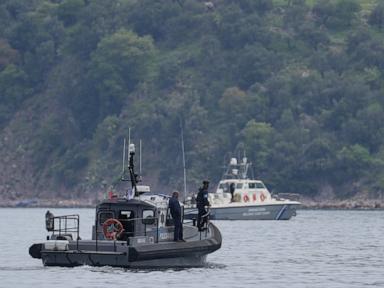
Another grim morning on the Mediterranean. Greek authorities recovered 12 bodies from a migrant boat found drifting south of the island of Crete, exposing the lethal reality of maritime smuggling routes that continue to claim lives daily.
A passing Moroccan-flagged cargo ship managed to pull 18 survivors alive from the same vessel, while local coast guard teams scrambled to intercept multiple other boats nearby. It's a tragedy that feels painfully routine to anyone tracking the ongoing humanitarian crisis on Europe's southern borders, yet every single body recovered represents a shattered family and an unfulfilled journey.
The Anatomy of a Crete Route Tragedy
The stricken vessel was spotted roughly 15 nautical miles—about 28 kilometers—off the southern coast of Crete. Coast guard officials haven't yet released specific details regarding the identities of the 12 victims or the exact cause of death, but the perilous conditions of the crossing from North Africa speak for themselves.
Smugglers routinely pack desperate people into unseaworthy vessels with barely enough fuel, food, or water to survive a bathtub trip, let alone an open sea voyage. When things go wrong, passengers are left completely at the mercy of shifting weather patterns and the slim chance that a commercial freighter or a Frontex patrol will spot them in time.
Surging Crossings in the Eastern Mediterranean
This latest incident isn't an isolated anomaly. The corridor running from Libya to Crete has turned into one of the most active and dangerous pathways for migrants fleeing poverty, war, and political instability across Africa, the Middle East, and Asia.
Data from EU border agency Frontex highlights that while overall irregular border crossings into the bloc have dropped by roughly a third this year, the eastern Mediterranean corridor remains heavily trafficked. During the first three quarters of the year, approximately 31,800 crossings were logged along these paths.
Just hours after the discovery of the 12 bodies, Greek authorities intercepted two additional boats south of Crete—one carrying 47 people and another carrying 40. All survivors from these operations are being brought ashore to ports on Crete's southern coast for identification, medical screening, and registration.
The Broader Crisis Facing Greek and EU Authorities
Greece sits squarely on the frontline of Europe's migration management challenges. Aside from the North Africa-to-Crete route, many individuals still attempt the shorter, highly volatile sea crossing from the Turkish coast to eastern Aegean islands like Lesbos and Samos. Those journeys frequently involve overcrowded rubber dinghies that swamp or capsize at the slightest hint of rough water.
Local authorities and rescue crews are stretched thin. Coast guard ships, patrol planes, and international vessels operate around the clock, but the sheer volume of maritime traffic makes total prevention nearly impossible. As long as the push factors of conflict and economic collapse persist in origin countries, desperate travelers will keep boarding these floating coffins—and responders will keep facing the grim task of counting the dead.



