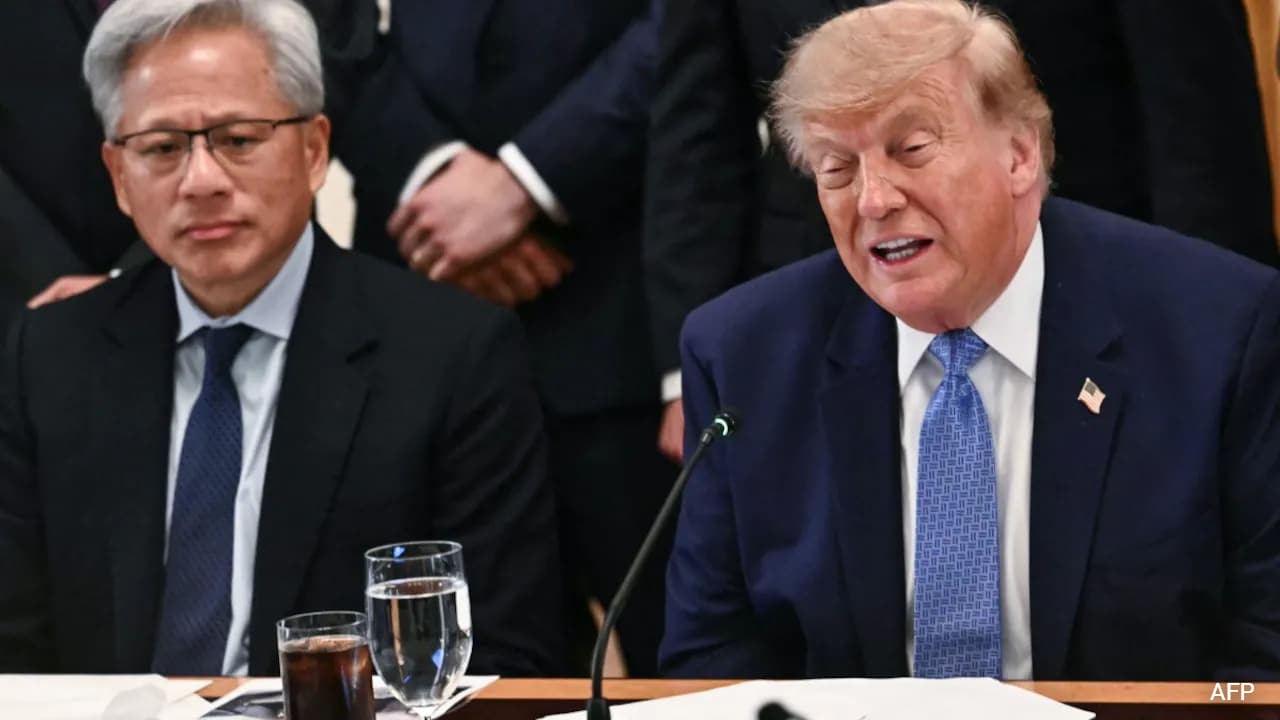
Tech titans don't usually find themselves at the center of international espionage scandals. Yet, Nvidia CEO Jensen Huang recently confirmed an affair with Alice Huang, a corporate executive whom US intelligence agencies have linked to Chinese intelligence efforts. The revelation triggered an independent board investigation and thrust Silicon Valley's most influential hardware architect into a geopolitical firestorm.
If you've been following the intersection of artificial intelligence and national security, you know the stakes couldn't be higher. Nvidia builds the chips powering the modern AI boom. When the person steering that multi-trillion-dollar engine becomes entangled with a suspected foreign asset, Washington pays attention immediately.
What Actually Happened Between Jensen Huang and Alice Huang
The situation came to light after investigative reports detailed a close relationship between the Nvidia co-founder and Alice Huang, a senior executive at Megaspeed, a Singapore-based data center firm. US intelligence officials grew suspicious that Alice Huang—who is not related to the Nvidia chief—was operating as a conduit for Beijing, potentially trying to bypass stringent US export restrictions on advanced semiconductors.
Jensen Huang didn't try to hide from the fallout. He issued an unvarnished apology to his employees, admitting to the affair and taking full responsibility for hurting his family.
"I was unfaithful to my wife. My actions hurt her and our children. There is no excuse for what I did. I am deeply sorry." — Jensen Huang
Nvidia's board of directors promptly initiated an independent review to determine if any trade secrets or national security parameters were compromised. At the same time, company representatives maintained that the board currently has no evidence that sensitive data leaked through these interactions.
The Geopolitical Pressure Cooker
To understand why this relationship matters, you have to look at the broader chip war. Nvidia sits right at the choke point of global artificial intelligence development. Its graphics processing units are the essential hardware required to train massive language models. Because the US government heavily restricts selling top-tier chips to China, any loophole, diversion, or backdoor channel is treated as a major threat.
Megaspeed's role as a chip buyer placed it under heavy scrutiny from regulatory bodies. When intelligence agencies discovered the personal connection between its executive and Nvidia's leader, fears escalated that sensitive policy discussions or high-level strategic insights might have been funneled to foreign actors. President Donald Trump acknowledged the reports, noting he hadn't spoken directly to Huang about the development while expressing hope that the situation would resolve cleanly.
Why the Board Investigation Changes Little for Day-to-Day Operations
Despite calls from analysts for intense congressional oversight, Nvidia's leadership structure remains stable for now. Huang intends to stay at the helm while the independent inquiry runs its course. Wall Street has reacted with cautious anxiety, recognizing that Huang's visionary leadership is deeply tied to the company's meteoric valuation.
Corporate governance experts point out that personal misconduct by a chief executive doesn't automatically mean corporate compromise, but it forces boards into a defensive posture. Nvidia relies heavily on maintaining absolute trust with the US government, especially as trade policies shift and federal oversight tightens.
The investigation will eventually release its findings, but the damage to corporate privacy is already done. Personal choices at the top of the tech world carry global consequences.
Jensen Huang addresses Nvidia workforce and future strategy
This video provides an overview of the ongoing developments surrounding Nvidia's internal investigation and market reactions.