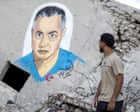
For nearly two years, Dr. Hussam Abu Safiya has sat inside an Israeli detention facility without a single formal charge filed against him. As the medical director of Kamal Adwan Hospital in northern Gaza, his only real "crime" was refusing to abandon his patients when military orders demanded evacuation. Now, after 23 months behind bars, fresh medical warnings and court rulings have thrust his arbitrary imprisonment back into the spotlight—revealing a bleak snapshot of what happens when healthcare workers are treated as combatants.
Independent medical experts and human rights advocates are sounding alarms louder than ever. Recent reviews of his detention conditions indicate that his health is deteriorating rapidly, with independent medical assessments blocked by Israeli courts. When a doctor who chose to stay behind to treat injured children and wounded civilians is locked away indefinitely, the ripple effects tear through an already collapsing medical infrastructure.
How Dr. Abu Safiya Ended Up in Detention
The timeline goes back to December 2024, when Israeli forces raided Kamal Adwan Hospital—at the time, one of the very last functioning medical facilities in northern Gaza. Dr. Abu Safiya stayed at his post through relentless sieges and intense bombardment, operating even after his own son Ibrahim was killed by a drone strike right outside the hospital entrance.
Instead of being evacuated safely or allowed to continue his life-saving work, he was detained alongside hundreds of other medical staff, patients, and displaced people. He was subsequently classified under Israel's sweeping "Unlawful Combatants Law"—a legal designation that allows authorities to bypass normal criminal procedures, withhold formal charges, and keep detainees locked behind closed doors under strict gag orders.
Inside the Deteriorating Conditions of Custody
Information about Dr. Abu Safiya’s daily reality trickles out slowly, mostly through rare visits by lawyers from organizations like Physicians for Human Rights Israel (PHRI). Those brief encounters paint a harrowing picture. Legal teams have documented significant weight loss, untreated chronic injuries from shrapnel lodged in his limbs during his arrest, and signs of physical abuse, including fractured ribs.
Worse still, human rights monitors learned that he spent extended periods subjected to extreme isolation in a tiny solitary confinement cell. Under international standards such as the United Nations Mandela Rules, prolonged isolation of this nature crosses the threshold into severe psychological and physical abuse. Despite legal appeals filed by his defense team to secure his release or at least permit an independent medical evaluation, Israeli courts have consistently blocked independent oversight. The Israeli Prison Service maintains that its operations adhere strictly to the law and dismisses outside allegations as an attempt to discredit the state.
The Wider War on Gaza’s Healthcare System
Dr. Abu Safiya is far from an isolated case. Human rights organizations point out that dozens of Palestinian doctors, surgeons, and hospital directors have been swept up under similar pre-charge administrative detentions since late 2023.
When you pull critical medical specialists out of a war zone, the collapse accelerates. Gaza's hospitals face catastrophic shortages of everything from basic gauze to specialized surgeons. Removing experienced directors like Dr. Abu Safiya isn't just about individual imprisonment—it systematically dismantles the institutional memory and operational leadership required to keep emergency wards running. Every detained physician means fewer hands to deliver babies, perform emergency trauma surgery, and mentor younger medics.
International pressure continues to mount, with global human rights networks and legal defense bodies petitioning for immediate releases. Yet, as legal battles stall in military courts and appeals get routinely rejected, time is running out for medical professionals whose only offense was staying loyal to their oath.



