The ground beneath the Middle East is shifting again. Intelligence networks work around the clock. Precision strikes rewrite military equations in a matter of seconds. When a high-profile target gets eliminated, the shockwaves ripple far beyond the immediate blast zone.
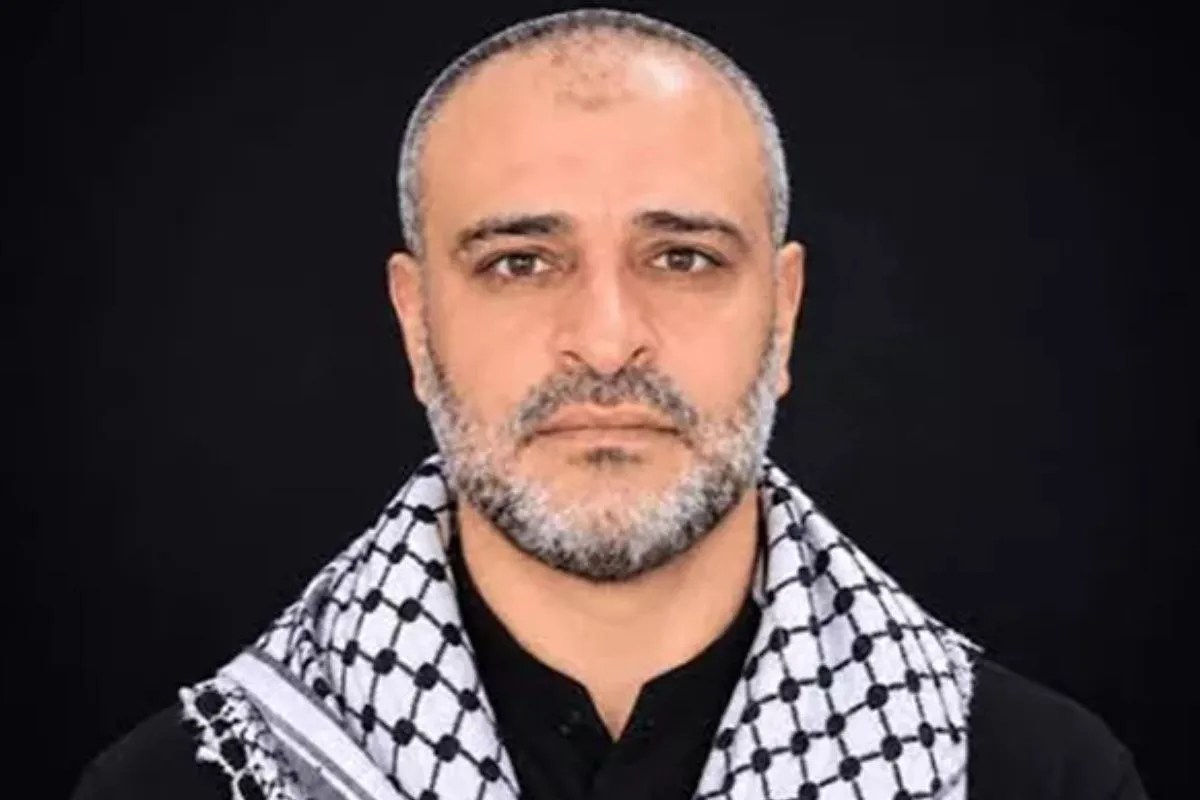
Israel just claimed another major scalp in Gaza. Samir Abu Younis is dead. If you've been tracking the trajectory of the ongoing conflict, this name carries massive weight. The Al-Qassam Brigade, the armed wing of Hamas, officially confirmed his death. They didn't just report it. They came out swinging with accusations of a cowardly assassination.
Let's break down what actually happened, why this specific commander mattered, and what the aftermath looks like.
Who Was Samir Abu Younis
In modern asymmetric warfare, commanders rarely sit in the open. They operate from the shadows, managing logistics, tactical planning, and operational security. Samir Abu Younis was far from a low-level foot soldier. According to military assessments and confirmed reports from the ground, Younis sat inside the core strategic circle of the Al-Qassam Brigade. Related insight on the subject has been provided by The Washington Post.
He wasn't just executing orders. He helped draft them.
Intelligence reports tie him directly to the planning and execution oversight of the October 7, 2023 attacks. That specific date remains an unhealed scar in Israel's national consciousness. Ever since, military leadership in Tel Aviv adopted an uncompromising doctrine: anyone linked to that operational blueprint remains a target until neutralized. Younis managed to evade capture and targeted elimination for months, operating inside the dense urban sprawl of Gaza amidst relentless surveillance drones and air superiority.
Until his luck ran out.
The Strike and the Al Qassam Response
Details surrounding the exact mechanics of the operation remain closely guarded by defense officials, but the outcome is absolute. A targeted strike ended his run.
Within hours of the confirmation, the Al-Qassam Brigade released statements condemning the operation. They called it a cowardly assassination. They argued that the strike reflects operational desperation rather than tactical strength.
That rhetoric is standard playbook material. Militant factions always frame targeted killings as violations of conventional rules of engagement, even while operating outside those same norms. But look past the PR statements. The underlying reality is grim. Losing a core planner like Younis punches a hole in their mid-to-high-tier leadership hierarchy. Replacements take years to groom, especially under constant aerial surveillance and intelligence penetration.
Why This Target Matters for the Broader Conflict
People often ask why individual commander eliminations matter when a war stretches across years and vast territories. The answer comes down to institutional memory and tactical coordination.
- Operational Disruption: Senior commanders hold the keys to networks, safe houses, weapon caches, and communication lines. When they drop, local units temporarily lose cohesion.
- Intelligence Windfall: Devices, documents, or digital traces recovered during or after such operations often provide a roadmap to the next targets.
- Psychological Impact: It sends a clear message to remaining operatives. No bunker is deep enough, and no underground network offers permanent immunity.
Israel's strategy relies on systemic attrition. By methodically dismantling the architects of the October 7 framework, the military aims to degrade Hamas's capacity to launch coordinated, large-scale assaults ever again.
The Reality on the Ground
Gaza remains a humanitarian and strategic disaster zone. Every targeted strike brings structural collapse closer to absolute zero, while civilian casualties continue to mount amidst urban combat. The elimination of Samir Abu Younis won't end the war on its own. Conflicts of this magnitude feed on deep-seated political deadlock, historical grievances, and an absence of viable diplomatic off-ramps.
As the Al-Qassam Brigade vows retaliation and promises that the blood of commanders like Younis will fuel further resistance, the cycle locks tighter. Intelligence agencies are already scanning for the next name on the list. The calculus of war keeps grinding forward, leaving little room for de-escalation in the immediate term.



