When a private business jet plunges from the sky, taking nine lives with it, the aftermath is a race against time and confusion. Aviation accidents shake public trust instantly. Everyone wants to know what went wrong in those final, terrifying moments.
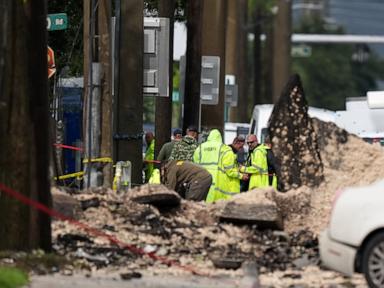
Now, federal safety experts have secured a massive piece of the puzzle. Investigators from the National Transportation Safety Board (NTSB) successfully recovered the cockpit voice recorder from the Learjet 60 crash site in South Florida. The tragedy, which occurred on November 1, 2026, near Greenacres in Palm Beach County, claimed the lives of all nine people on board the Bahamas-bound aircraft.
If you've been following this tragedy, you probably want to know what happens next and why this specific device matters so much. Let's break down how this investigation is actually unfolding behind the scenes.
Why Recovering the Cockpit Voice Recorder Changes Everything
People often confuse flight data recorders with cockpit voice recorders. While flight data units track mechanical metrics like altitude, airspeed, and engine performance, cockpit voice recorders capture the human element. They preserve pilot communications, background cockpit noise, switch clicks, and warning alarms.
The recovered device is now being evaluated at the NTSB Vehicle Recorders Laboratory in Washington, D.C.
Engineers face a delicate task. They have to determine if the unit survived the impact intact and whether usable audio was actually captured. Severe weather plagued the area when the jet went down, adding intense pressure and hazardous environmental factors to the initial flight path. Witnesses and early reports indicated severe turbulence and icing concerns before the aircraft tumbled out of the sky.
Having the audio doesn't mean instant answers, though. As investigators know all too well, hardware recovery is just the first hurdle.
The Reality of Modern Aviation Investigations
Recovering wreckage from a high-impact crash site is grueling, meticulous work. NTSB Chairwoman Jennifer Homendy previously urged anyone who stumbled upon scattered debris in South Florida to contact authorities immediately. Every single fragment counts when you're trying to reconstruct a shattered fuselage.
The excavation work at the primary impact site in Palm Beach County is finally finished. But the laboratory work is just beginning.
Let's look at the harsh reality of these devices. Recovering a recorder doesn't guarantee a clean transcript. Technical failures happen. For instance, during the investigation of a medical evacuation jet crash in Philadelphia, experts pulled the cockpit voice recorder only to discover it hadn't functioned properly for several years. That's a terrifying thought for aviation safety advocates, making every laboratory arrival a high-stakes moment of suspense.
What to Watch For Next
The NTSB doesn't rush conclusions. Piecing together a fatal jet disaster takes months, sometimes over a year. Investigators will cross-reference the recovered audio against air traffic control logs, radar data, weather tracking systems, and maintenance history records for the Learjet 60.
As the lab in Washington extracts data from the unit, public updates will trickle out through preliminary reports. Don't expect immediate answers. Expect a slow, methodical unpacking of human decisions, mechanical limits, and brutal weather conditions.
The focus now shifts entirely to the audio lab. How well the device held up against the violent impact will dictate how quickly aviation authorities can piece together the final chapter of a flight that ended far too soon.
Final cockpit audio emerges after Learjet crash kills 9
This short video clip provides an audio overview of the emergency radio communications and context regarding the severe weather conditions faced by the flight crew before the tragic accident.