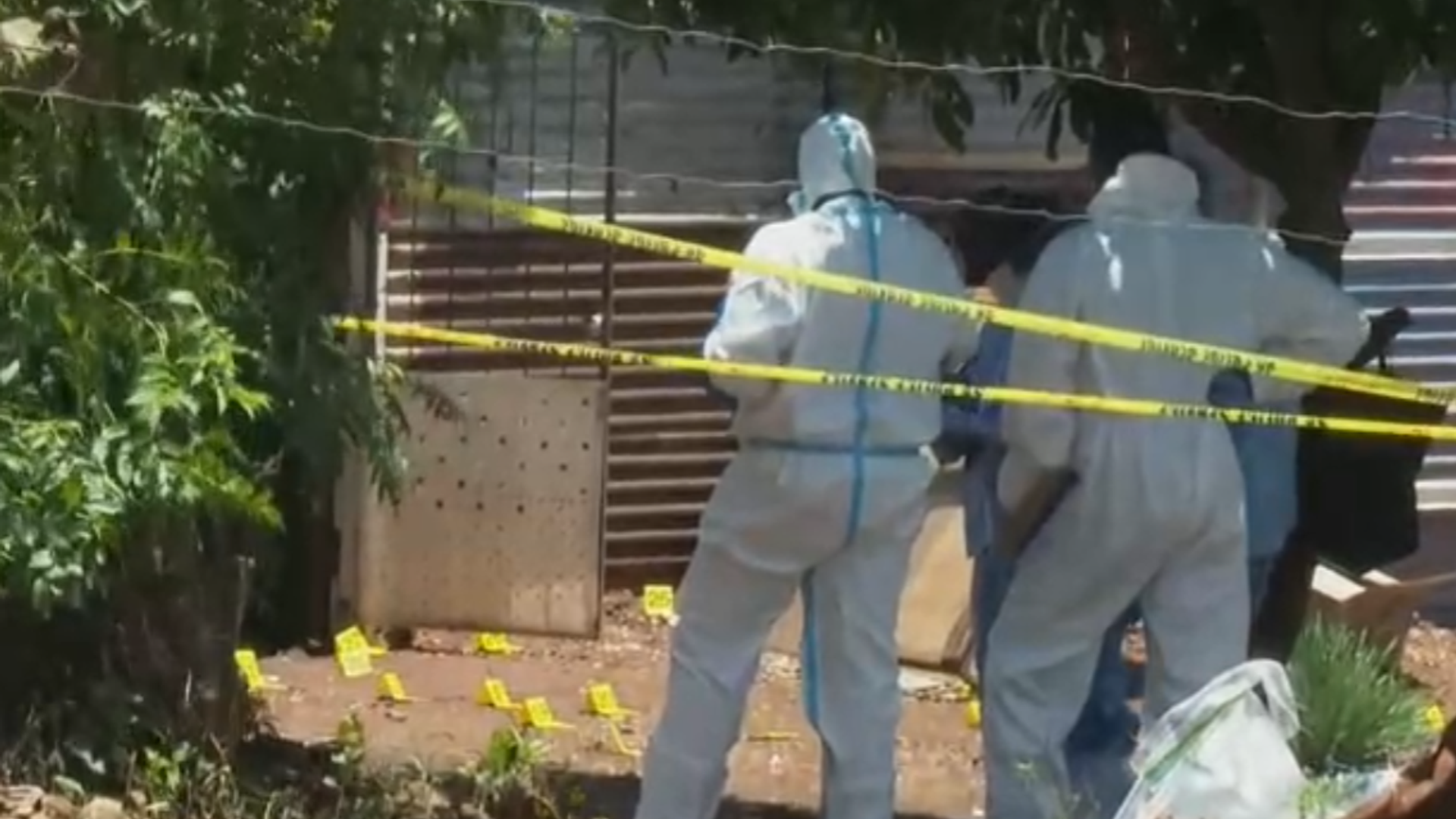
Seventeen lives extinguished in a matter of hours. That is the grim reality left behind after two separate mass shootings tore through communities in South Africa, exposing the fragile state of public safety in the country.
When news broke that police found nine bodies inside a cramped shack in Jeffsville near Pretoria, followed shortly by the gruesome discovery of eight bullet-riddled bodies inside a vehicle in Sweetwaters near Pietermaritzburg, it wasn't just a statistical spike. It was a chilling reminder of an ongoing crisis. Mass violence in South Africa has evolved from isolated criminal friction into a systemic emergency.
The Anatomy of the Two Attacks
The bloodshed unfolded across two different provinces under terrifyingly similar circumstances of sudden, overwhelming firepower.
In the informal settlement of Jeffsville outside the capital, six men and three women were gunned down inside a single dwelling late Sunday night. Informal settlements present a unique policing nightmare. Narrow unpaved roads, tightly packed shacks, and a complete lack of adequate street lighting make these areas virtually indefensible when heavily armed groups strike under the cover of darkness. By Monday morning, investigators were left combing through a dense maze of corrugated iron and debris, hunting for clues while families mourned in shock.
Hundreds of miles away in Sweetwaters, outside Pietermaritzburg in KwaZulu-Natal, the scene was equally brutal. Local police responded to frantic emergency calls late Sunday evening, discovering a vehicle riddled with bullet holes. Inside sat eight men, all dead from multiple gunshot wounds. The victims haven't even been formally identified yet, highlighting how anonymous and swift these execution-style hits have become.
Why Mass Shootings Keep Plaguing South Africa
You can't talk about these tragedies without looking at the broader picture. South Africa records an average of nearly sixty murders every single day. That number alone should shock anyone.
Why is this happening on such a massive scale? The roots run deep. Investigators frequently point to underground turf wars, illegal mining syndicates, narcotics trafficking, and violent extortion rings fighting over lucrative minibus taxi routes. Firearms, many of them smuggled or illegally circulating from corrupt stockpiles, flood these communities with terrifying ease. When criminal enterprises clash, negotiations don't happen across a table. They happen with automatic rifles in residential neighborhoods and informal settlements.
Local law enforcement agencies are stretched past their breaking point. Response times in dense, impoverished neighborhoods lag because stations are understaffed, underequipped, and overwhelmed by the sheer volume of daily violent crime. Even when specialized tracking teams and intelligence units are deployed after a massacre, arrests are rare in the immediate aftermath. The perpetrators vanish into the very communities that live in constant terror of speaking out.
Breaking the Cycle of Violence
Condemnation from political leaders and police commissioners follows every single massacre, but words don't stop bullets. Real change requires dismantling the illegal arms trade at its source, securing porous borders, and reforming the intelligence apparatus to root out organized syndicates before they strike.
Until systemic poverty, rampant corruption, and the easy availability of military-grade firearms are addressed head-on, communities from Pretoria to Pietermaritzburg will remain trapped in the crossfire.
The bloodshed isn't slowing down. Ignoring the root causes guarantees that the next horrific headline is only a matter of time.



