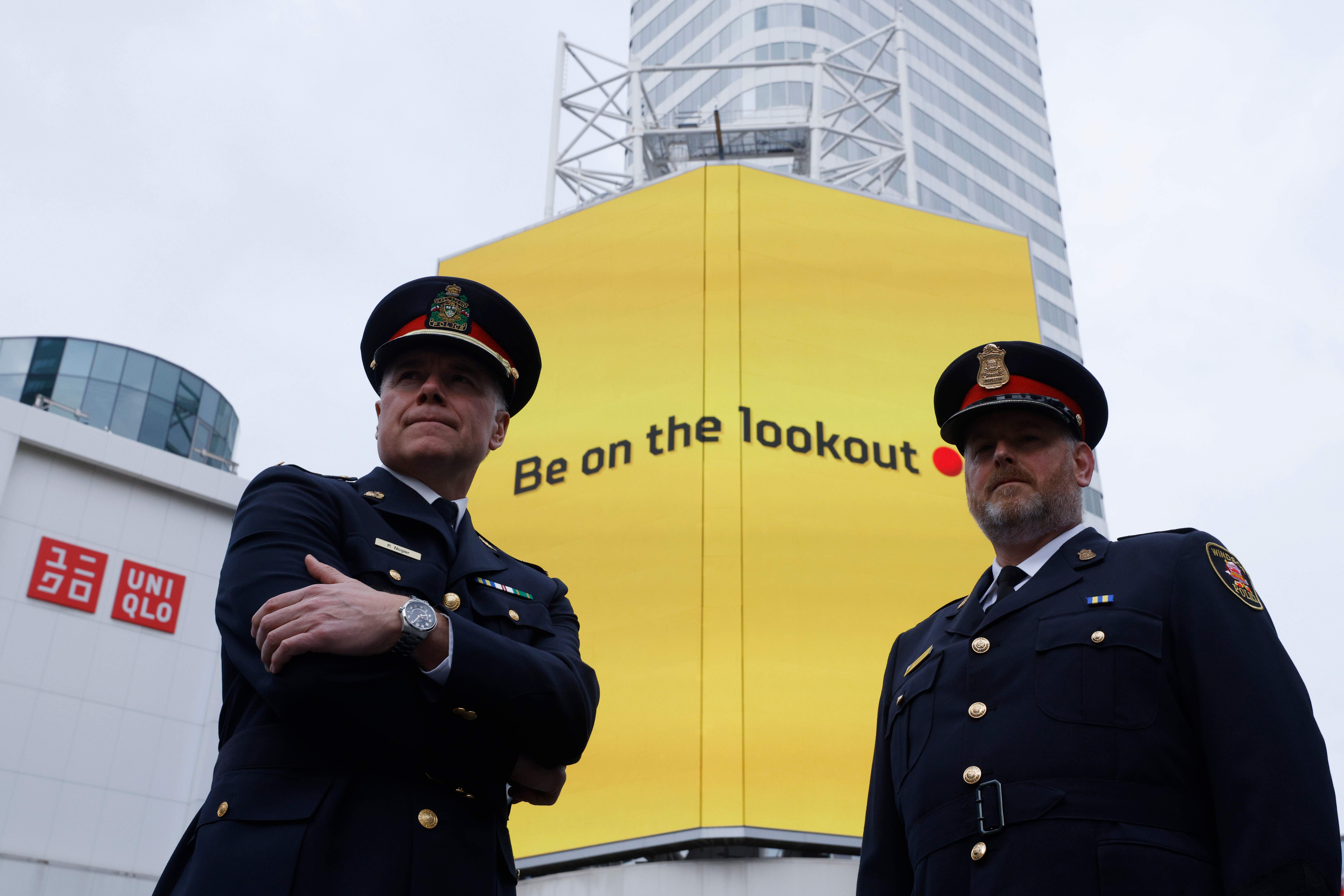
When the Bolo Program drops its annual roster of Canada's most wanted fugitives, police forces across North America stand up straight. This isn't just a standard public safety bulletin. It's a high-stakes financial incentive designed to shake loose tips that traditional police work sometimes misses.
This year, the program amplified the stakes by dangling a combined total of up to six hundred and fifty thousand dollars in rewards for just eight specific suspects. If you have ever wondered how law enforcement tries to crack cold trails or put pressure on international networks sheltering high-profile violent offenders, this is the blueprint. Let's break down why these cash bounties matter, who sits at the top of the list, and how these public-private manhunts actually function on the ground.
The Strategy Behind The Cash Bounties
Police agencies don't hand out quarter-million-dollar checks lightly. When the Bolo Program attaches a massive monetary reward to a specific fugitive, it signals a high-priority threat to public safety that spans multiple jurisdictions.
Let's look at the financial breakdown on the current list:
- Satinderjeet Singh (Goldy Brar): Up to twenty-five thousand dollars or up to two hundred and fifty thousand dollars depending on the arrest jurisdiction context, specifically targeted for Canada or the United States.
- Kyle Prouse: Up to one hundred thousand dollars offered by the Toronto Police Service for attempted murder charges.
- Cody Rudifo, Ayoub Mohamed, Sabrina Agusto-Ramirez, Joseph Madore, Brayton Kennedy, and Dylan Denis: Bounties sitting at fifty thousand dollars each for various murder or attempted murder charges across different provincial and international police services.
The brilliance of these rewards lies in dismantling criminal code silence. Money talks, especially when friends, associates, or landlords realize that loyalty to a violent fugitive pays zero dividends compared to a massive payout. Law enforcement officials repeatedly stress that there is no sneaky fine print or hidden catch to these rewards. If your tip leads directly to an arrest, you get paid.
Why Goldy Brar Tops The Target Board
Taking the number one spot on the country's most wanted list is Satinderjeet Singh, widely known as Goldy Brar. Wanted by the Winnipeg Police Service for the September 2023 murder of Sukhdool Singh Gill, Brar represents an international headache for Canadian investigators.
Brar isn't just wanted at home. He is also tracked heavily by the United States Marshals and the FBI's Ten Most Wanted Fugitives list, alongside standing murder charges issued by Indian authorities dating back to 2022. Winnipeg police leadership made it clear during public briefings that Brar poses an ongoing, aggressive threat that crosses international borders without hesitation.
When a suspect operates across borders like this, conventional local policing hits a wall. That's why public awareness campaigns using life-sized digital and artificial intelligence-generated age progressions become essential tools. Police want every barista, rideshare driver, and motel manager across North America looking at these digital renderings.
The Cross-Border Fugitive Problem
Canada and the United States share the world's longest undefended land border, making it entirely too easy for violent offenders to slip back and forth. Several cases on the current list highlight this cross-border dynamic.
Take Sabrina Agusto-Ramirez, who is wanted by the U.S. Marshals Service for murder-related charges connected to a 2023 homicide in Fresno, California. Investigators believe she fled and is currently hiding somewhere within the Greater Toronto Area. Conversely, Canadian suspects regularly cross south into American states, blending into major urban centers where local authorities have no idea who they are looking at until a program like Bolo flashes their face across digital billboards.
This is where the public becomes the ultimate force multiplier. Police departments have limited manpower. Twenty-five top-tier fugitives mean thousands of potential investigative leads to track, vet, and chase down. When millions of citizens see these faces on social media, news feeds, and transit hubs, the fugitives' safehouses suddenly feel a lot less secure.
What You Should Do If You Spot One
If you recognize someone from Canada's most wanted roster, don't play vigilante. These individuals are flagged by law enforcement as extremely violent, armed, and dangerous for a reason. Confronting a fugitive puts you and everyone around you in immediate physical peril.
Instead, take immediate steps to protect your safety and secure the reward:
- Note specifics: Memorize or note down exact location markers, vehicle descriptions, license plates, and the direction they were heading.
- Contact authorities: Reach out immediately to your local police service or submit an anonymous tip directly through Crime Stoppers or the Bolo Program portal.
- Preserve digital evidence: If you spotted them online or have digital proof, back it up securely rather than deleting or altering it.
Cash bounties expire eventually—many on this current list carry an expiration date in late 2027—meaning the clock is ticking for anyone harboring these suspects. Law enforcement will stay relentless, but the final tip often comes from an ordinary person paying close attention to the world around them.



