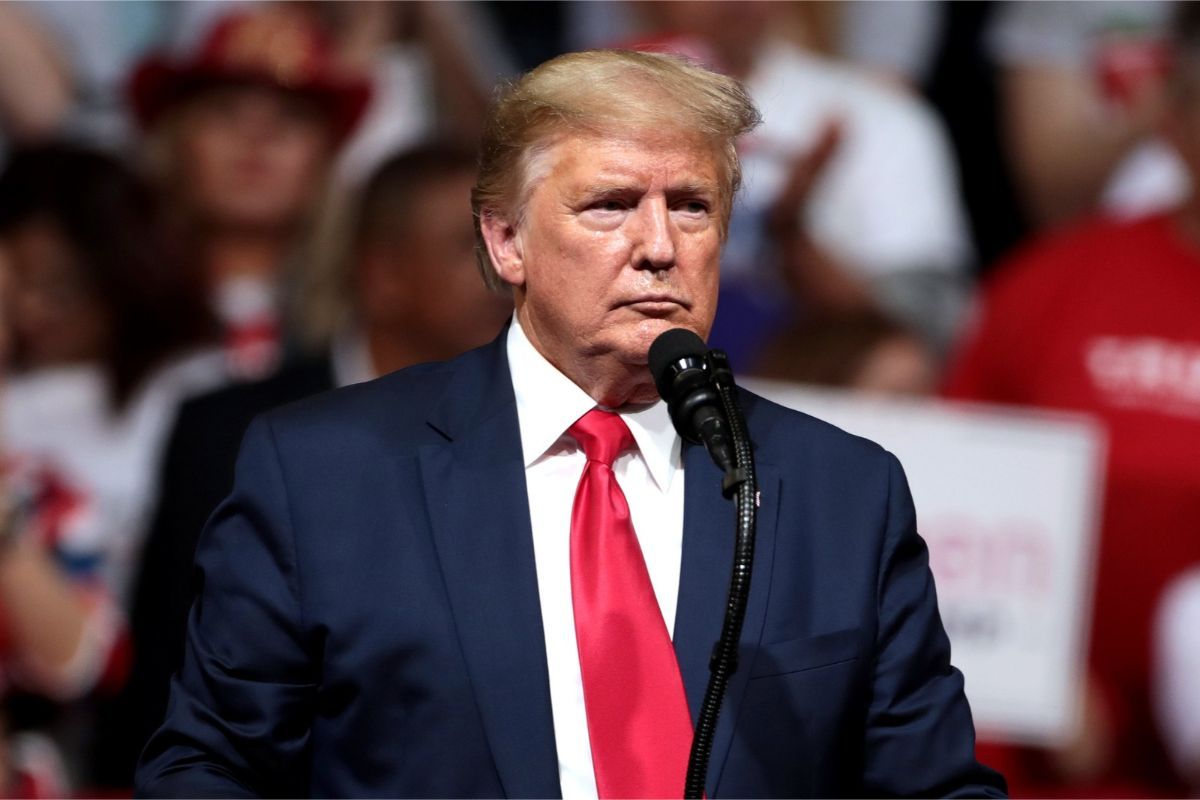
Geopolitics rarely moves this fast. When Donald Trump met with Quad leaders in Manila for his first summit with the grouping, the underlying agenda wasn't just diplomatic handshaking—it was a calculated maneuver to box in Beijing on critical minerals and advanced technology.
If you've been watching how artificial intelligence development intersects with global supply chains, you know that silicon and raw earth elements dictate who wins the next decade. The recent summit brought these friction points out into the open, highlighting a shifting strategic landscape where computing power is treated as national security infrastructure.
Why the Quad Shift Matters for Global Tech Supply Chains
The Quad—comprising the United States, Japan, India, and Australia—started as an informal security dialogue, but it has evolved into something much sharper. During the Manila meetings, leaders backed an $85 million push aimed at artificial intelligence cooperation and economic resilience, alongside major agreements to secure critical mineral supply chains.
Beijing has long viewed the Quad as an explicit attempt to encircle its technological growth. Meanwhile, Washington and its allies point to mounting concerns over economic coercion, pointing specifically to export restrictions on rare earth minerals that are vital for everything from consumer electronics to enterprise-grade AI hardware.
When you look closely at how chip manufacturing works, the dependencies become stark. Taiwan remains the dominant producer of advanced processors designed by American companies, while China continues to seek workarounds to acquire high-end computing components like Nvidia chips to power its domestic large language models. Trump's engagement with Quad partners signals a concerted effort to lock down allied supply chains before bilateral talks with Chinese leadership in Shenzhen take center stage.
The Chip Dilemma and Economic Coercion
The tension isn't hidden anymore. Semiconductor export controls have become the primary battleground of modern economic statecraft. While American policymakers argue that restricted access is necessary to protect national security and maintain a technological lead, critics and industry insiders frequently debate the long-term effectiveness of these controls.
When asked about chip restrictions, administration officials have often acknowledged internal debates, balancing strict containment measures against broader diplomatic engagements. Yet, actions speak louder than press conferences. The joint statements emerging from regional summits consistently hammer home the theme of countering arbitrary export curbs and protecting maritime and cyber corridors.
The real question isn't whether restrictions will continue—it's whether regional allies can build independent, robust processing ecosystems fast enough to outpace retaliatory measures. Japan's recent struggles with critical mineral shipments from Asia's largest economies illustrate how quickly raw material bottlenecks can disrupt high-tech manufacturing.
What Comes Next for the US-China Tech Split
As global powers prepare for high-stakes diplomatic summits, the artificial intelligence race is no longer just a corporate competition between Silicon Valley and Shenzhen. It's a state-backed race for infrastructural dominance.
Countries that fail to secure reliable inputs for data centers and advanced computing will find themselves left behind, acting as digital dependents rather than innovators. The Quad's renewed focus on tech and minerals is a direct response to this reality.
Watch how these funding initiatives and supply agreements play out over the coming months. The era of frictionless global tech supply chains is gone, replaced by a fragmented, highly guarded digital cold war where every microchip and rare earth element counts.
QUAD Summit, ASEAN & APEC: Why India Matters to US-China Rivalry
This video provides an in-depth breakdown of how the recent Quad meetings in Manila and wider geopolitical summits are shaping the strategic tech rivalry between the US and China.