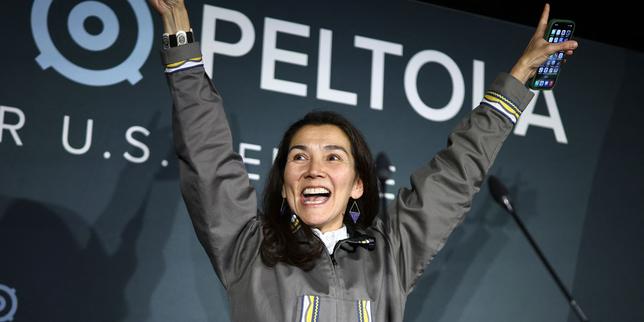
Two weeks of intense ballot-counting in America's last frontier finally brought the 2026 midterm cycle to a crashing close. Mary Peltola's hard-fought victory in Alaska didn't just secure a single Senate seat. It slammed the door on months of bitter controversy and handed the Democratic party its widest majority in the upper chamber in sixteen years.
If you thought midterms were predictable mid-decade check-ins, this cycle proved everyone wrong. Let's look at what actually happened behind the headlines and why this Alaskan showdown matters way beyond the snow and ice.
The Alaska Thriller That Decided Washington
Long after the rest of the country finished voting on November 3, all eyes remained fixed on Alaska. The race pitted Democratic candidate Mary Peltola against Republican incumbent Dan Sullivan. In a state Trump comfortably carried, analysts expected a safe hold for the Grand Old Party. Instead, voters delivered a razor-thin margin, pushing Peltola across the finish line with 50.12 percent of the vote against Sullivan's 45.8 percent.
This wasn't just a local upset. It marked the final domino in a brutal election cycle for the White House. With Peltola's confirmation, the Senate breakdown shifts to 56 Democrats and 44 Republicans. You have to go all the way back to the early days of Barack Obama's presidency to find a Democratic majority this dominant in the Senate.
Why Everyone Lost Their Minds Over the Campaign Tactics
You can't talk about the Alaska contest without addressing the massive political firestorm that erupted weeks before election day. Donald Trump didn't hold back his frustration, publicly demanding Peltola's disqualification after investigative reports surfaced regarding campaign tactics. The controversy centered around an unusual electoral dynamic involving independent voter patterns and strategic third-party maneuvers designed to fracture the conservative base in a state known for its fierce independent streak.
Critics screamed foul play, while supporters argued it was just aggressive, modern campaigning within the rules of ranked-choice voting. Regardless of where you stood on the ethics of the maneuver, it dominated cable news and galvanized voters on both sides. Turnout surged as anger and enthusiasm collided in the sub-zero temperatures.
The Broader Message of the 2026 Midterms
Why did a traditionally red state flip at the eleventh hour? It comes down to a harsh reality facing the administration in Washington. Persistent inflation, stubborn cost-of-living crises, and foreign policy fatigue—particularly concerning ongoing entanglements in the Middle East—created a potent cocktail of voter discontent.
Midterms are historically referendum votes, and the electorate used this cycle to send an unmistakable message. Voters didn't just stay home; they showed up to express exhaustion with the status quo. The "blue wave" rolled through unexpected territories, proving that local issues and candidate quality can easily override traditional partisan maps when economic anxiety takes center stage.
What Happens Next in Washington
With a commanding 56-seat majority, congressional Democrats hold unprecedented leverage for the remainder of the presidential term. Legislative gridlock is about to look very different. Expect fierce battles over federal appointments, judicial nominations, and economic relief packages.
The Republican party, meanwhile, faces an internal reckoning. Strategists and moderate lawmakers are openly calling for a complete overhaul of party messaging and campaign execution. Pointing fingers at campaign scandals won't fix the underlying disconnect with working-class voters who felt the pinch of inflation long before they cast their ballots.
The drama in Alaska proved that no seat is truly safe anymore. Pay attention to how both parties adapt their playbooks, because the shockwaves from this election cycle are going to define the road straight to the next presidential showdown.



