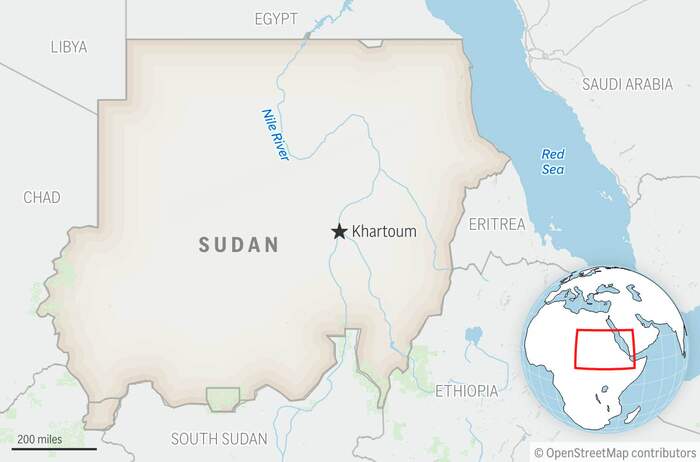
Civilian marketplaces used to be places where people bought food and traded local goods. In Sudan, they are turning into killing fields. A devastating military drone strike on a crowded market in Nyala left more than 100 people dead, according to the local rights group Emergency Lawyers. The attack on the capital of South Darfur injured another 113 people, mostly women and children, turning a routine afternoon into a horrific scene of mass casualties.
This violence isn't an isolated anomaly. It's part of a brutal escalation in Sudan's ongoing civil war, where both the Sudanese army and the paramilitary Rapid Support Forces (RSF) rely heavily on explosive-laden drones. According to the United Nations, drone attacks have quickly transformed into the single deadliest threat to civilians across the country. Hospitals, schools, displacement camps, and civilian infrastructure take direct hits on an almost daily basis.
When a war enters its third year without a functional political exit, the tactics shift toward pure attrition. The conflict kicked off in April 2023 when power struggles between military leader Abdel Fattah al-Burhan and RSF commander Mohamed Hamdan Dagalo exploded into open warfare in Khartoum. Since then, the conflict has displaced millions, created the world's largest humanitarian crisis, and pushed nearly 34 million people—about two-thirds of the population—into urgent need of aid. Monitor groups like ACLED estimate the death toll has climbed past 59,000, though local human rights workers note that tracking every casualty in cut-off regions remains impossible.
The Escalating Weaponization of the Skies
Drones used to be high-tech assets reserved for reconnaissance or targeted counter-terrorism operations by major superpowers. Today, cheap commercial and military-grade drones carry explosives straight into civilian blocks. They fly low, bypass traditional frontlines, and drop payloads without warning.
In Nyala, the strike obliterated civilian stalls in seconds. Doctors Without Borders reported that their local hospital's emergency room was instantly overwhelmed, receiving dozens of dead bodies and over 150 injured victims. Rights groups are calling for independent investigations, but accountability is rare when both warring sides operate with complete impunity.
The strategy behind these drone campaigns is simple: terrorize populations and choke off supply lines. When a market gets bombed, food distribution collapses. When power stations take direct hits, basic survival becomes an extreme daily challenge.
Capital Darkness and Crippled Infrastructure
While Darfur absorbs the bloodiest kinetic strikes, the urban centers aren't safe from infrastructural collapse. Large parts of Sudan's capital lost power for over half a day after a drone strike hit a major power substation.
The Al-Markhiyat transformer station in Omdurman took a direct hit, plunging districts into darkness and cutting off water purification plants. Residents like Abdel-Hafiz Abdel-Mutaal heard the low buzz of a drone right before the blast shattered the quiet dawn. By sundown, whole neighborhoods sat in total darkness.
For residents with chronic medical conditions, power outages spell immediate danger. Insulin requires refrigeration, and clinics rely on stuttering generators to keep equipment running. Bakeries shut down because they lack the electricity or fuel to bake bread, driving prices up in a nation where famine threatens millions. The state-run Sudanese Electricity Distribution Company admitted to heavy damage across its main distribution lines, acknowledging that power rationing will drag on indefinitely while crews attempt repairs under constant threat.
The Humanitarian Catastrophe Nobody Is Watching
International fatigue has set in, but the humanitarian reality inside Sudan continues to worsen. Over 67 percent of the population depends entirely on external aid. Global monitors from the Integrated Food Security Phase Classification warn that large parts of Darfur and Kordofan are sliding fast into active famine.
Over 30 countries, including the United States, the United Kingdom, and the European Commission, have issued joint statements demanding that the warring parties lift all impediments on humanitarian assistance. Those calls largely fall on deaf ears. Convoys get blocked, aid workers face violence, and food supplies rot at borders while millions starve.
We are watching a man-made collapse happen in real time. Until international pressure shifts from polite diplomatic statements to real consequences for leadership on both sides, the skies over Sudan will remain hostile, and civilian markets will keep paying the highest price.