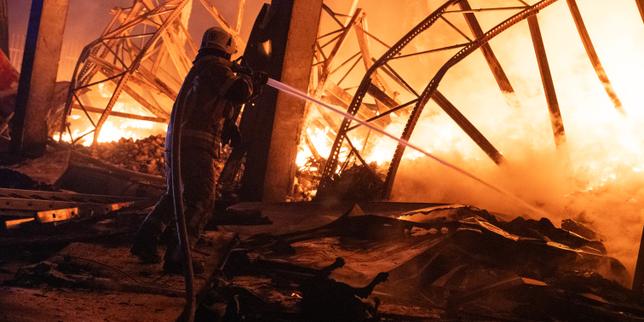
Winter hasn't even fully settled in, and the playbook is already entirely predictable. Russian forces have launched another wave of aggressive nighttime strikes targeting critical energy infrastructure across multiple regions in Ukraine, with particular damage reported in the Kyiv and Kirovohrad areas.
If you've been following the war closely, you know this strategy isn't new. Moscow's playbook relies heavily on weaponizing the cold, hitting generation plants, distribution grids, and transformer stations right as temperatures drop. Let's look at what actually happened during these latest overnight raids and what it means for civilians on the ground.
What Happened on the Ground in Kyiv and Kirovohrad
The latest barrage hit hard. In the Kyiv region, nighttime drone and missile assaults damaged vital energy infrastructure facilities, triggering localized fires and leaving sections of the broader capital area scrambling. According to regional authorities, including Kyiv Regional Military Administration head Tymur Tkachenko, the strikes also caused structural damage to residential homes and educational facilities across districts like Boryspil and Obukhivsky, injuring multiple civilians in the process.
Meanwhile, further south in the Kropyvnytskyi and Oleksandriia districts of the Kirovohrad region, overnight attacks sparked major fires at critical utility sites. Regional officials like Andrii Raikovych confirmed that the energy sector took a direct hit. Emergency rescue crews spent hours battling blazes under the constant threat of secondary strikes, highlighting the sheer volatility of keeping the power running while air raid sirens blare.
These aren't isolated incidents. Ukrainian energy ministries and international monitors report that these coordinated assaults form part of a broader, systematic campaign hitting generation and transmission networks across upwards of ten regions simultaneously. Three thermal power plants were recently forced offline following massive aerial barrages involving hundreds of drones and missiles, stretching air defenses to their absolute limits.
The Real Objective Behind the Energy Grid Strikes
Why focus so heavily on substations and power transformers? It's simple military calculus. By targeting civilian power grids, the objective is twofold: break public morale as freezing temperatures approach, and strain Ukraine's military logistics, which rely on a functioning electrical grid for rail transport, communications, and emergency services.
When power generation drops, municipalities are forced into emergency rolling blackouts. Water utilities rely on electrical pumps, meaning power cuts instantly threaten municipal water supplies and central heating systems. In Kyiv, municipal authorities have had to scramble backup generators, adjust transit schedules, and push hard to connect residential buildings to emergency heating networks before deep winter hits.
Yet, resilience has become the default mode for Ukrainians. Repair crews often deploy to damaged substations within minutes of an all-clear signal, patching up high-voltage lines in freezing winds. It's a brutal game of cat and mouse—air defense units intercepting the vast majority of incoming drones, but a small percentage still punching through to cause massive regional damage.
What Comes Next for Ukraine's Infrastructure
The months ahead will test the limits of what patched-together electrical grids can handle. International partners are rushing backup transformers, mobile boiler units, and high-capacity generators into the country, but hardware takes time to install and protect. Decentralizing power generation and hardening substations remain massive engineering challenges while under daily aerial bombardment.
As the heating season gets underway, energy security isn't just a political talking point—it's the primary front line of survival for millions of families across Kyiv, Kirovohrad, and beyond.



