Political representation in Washington never happens by accident. It takes decades of community building, shifting demographics, and sheer grit. Right now, the informal group of Indian-American lawmakers known on Capitol Hill as the Samosa Caucus is experiencing that reality firsthand.
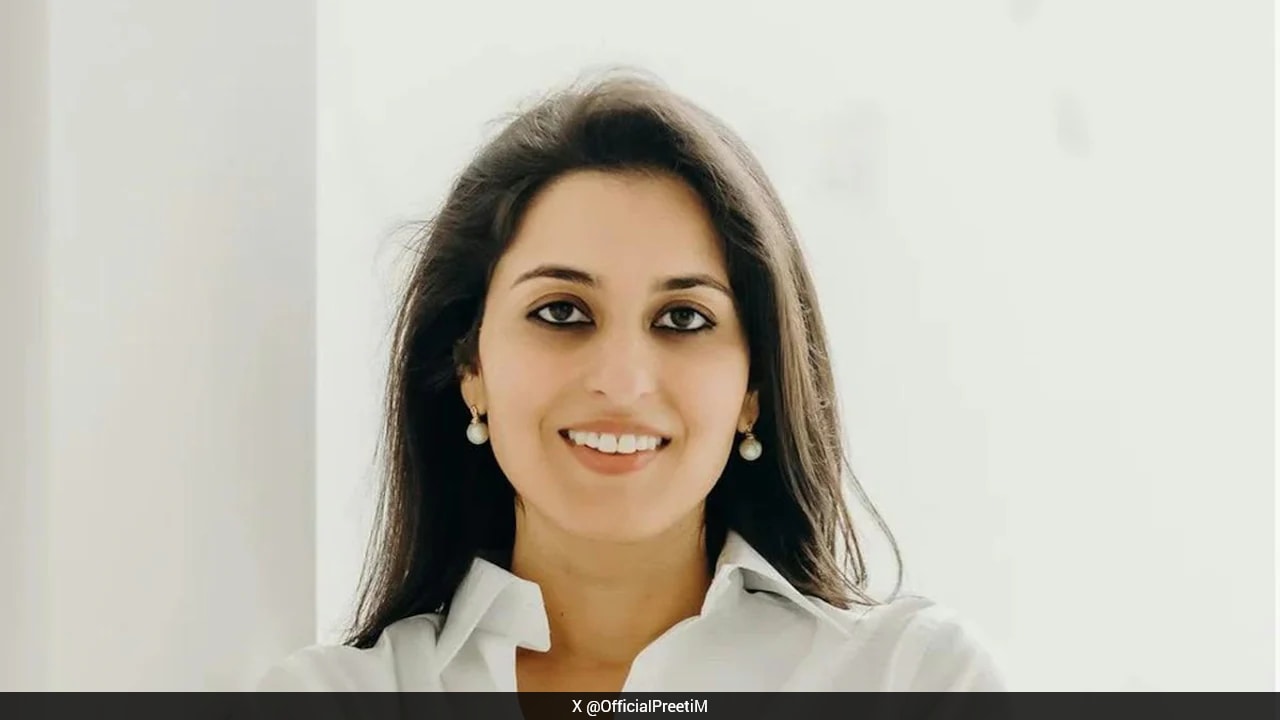
Just when political commentators were writing off the caucus due to high-profile primary losses, Pia Dandiya stepped up. Her hard-fought win in Florida's 22nd Congressional District threw a lifeline to a group that was staring at a sharp decline in numbers. Politics moves fast, and the survival of distinct ethnic caucuses often hangs on razor-thin electoral margins in swing districts.
The Florida Victory That Changed the Math
Dandiya isn't your typical career politician. Before entering the grueling world of federal campaigns, she worked as a school principal, bringing a grassroots perspective to a district that often leans conservative. Taking on Republican Casey Askar in Florida's 22nd District was never going to be easy.
She pulled off a victory by securing roughly 52 percent of the vote against Askar's 48 percent. That four-point margin did more than flip a seat. It completely altered the narrative for Indian-American representation in the House of Representatives.
Without Dandiya's win, the Samosa Caucus faced an uncomfortable shrinking phase. Major departures threatened to drop the group's numbers from six down to just four. Instead, her success keeps the caucus firmly on the map while political watchers wait on final results from other western states.
Why the Caucus Was Facing a Sinks-Or-Swims Moment
To understand why Dandiya's victory matters so much, you have to look at the losses that preceded it. The caucus hit a peak strength of six members in January 2025 when Suhas Subramanyam took his oath for Virginia's 10th Congressional District. He joined veteran lawmakers like Ami Bera, Pramila Jayapal, Ro Khanna, Raja Krishnamoorthi, and Shri Thanedar.
Then the primary season dealt heavy blows.
Raja Krishnamoorthi gave up a safe House seat in Illinois to run for the US Senate. That gamble didn't pay off. He lost the Democratic primary to Illinois Lieutenant Governor Juliana Stratton, who captured roughly 40 percent of the vote to Krishnamoorthi's 33 percent.
Michigan saw another major exit. Shri Thanedar lost his primary in the 13th Congressional District to state Representative Donavan McKinney. McKinney ran a disciplined campaign backed by external progressive groups and high-profile endorsements, pulling in nearly 52 percent of the vote.
Losing both Krishnamoorthi and Thanedar in one cycle could have sidelined the caucus's collective voice in Washington. Dandiya's win blunted that blow. Meanwhile, in Arizona's 1st Congressional District, physician and former state lawmaker Amish Shah maintained a strong lead over Republican Jay Feely. If Shah's lead holds, the Samosa Caucus will claw its way right back to its full historical strength of six members.
From Dalip Singh Saund to a Modern Caucus
The modern political footprint of Indian Americans in Congress is a far cry from where it started. For decades, representation was almost non-existent. Dalip Singh Saund broke ground by representing California from 1957 to 1963. Bobby Jindal followed decades later, serving Louisiana from 2005 to 2008.
Those were isolated anomalies. Things shifted permanently when Ami Bera won election in 2012, opening a door that stayed open. By 2017, Ro Khanna, Pramila Jayapal, and Raja Krishnamoorthi joined the ranks, turning a single representative into a functioning bloc. Thanedar and Subramanyam expanded those numbers further over the next few years.
Today, Indian Americans make up roughly 1.6 percent of the total US population, numbering around 5.5 million people. Their growing presence in suburban swing districts across states like Florida, Virginia, and California mirrors demographic shifts that are rewriting the map of American politics.
Candidates like Dandiya prove that ethnic minority politicians no longer need to rely exclusively on majority-minority districts to win. They can win competitive suburban seats by addressing everyday issues like education, local economics, and community safety.
The Samosa Caucus may not expand much beyond six members in the immediate future, given the current map of competitive open seats. Yet, holding the line in a turbulent election cycle proves that this political bloc has staying power. As suburbs continue to shift and second-generation Americans step into public service, the influence of these lawmakers in Washington will only deepen.