Geopolitical crises rarely happen in a vacuum. When external war erupts, authoritarian regimes rarely view it as a threat to their survival—they see it as an operational window.
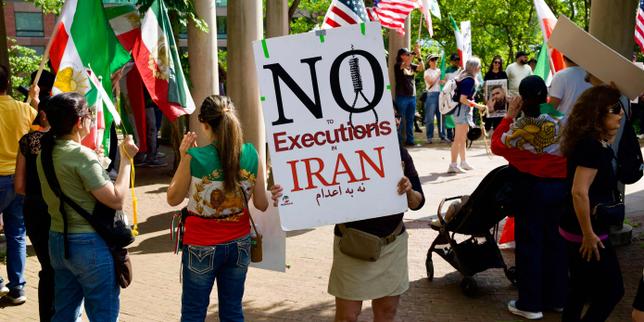
Amnesty International has sounded the alarm, pointing out that Iranian authorities have systematically weaponized the broader Middle Eastern conflict as a convenient smoke screen. Behind the noise of external military escalation, the regime has accelerated its crackdown on internal dissent, activists, and civil society.
If you're wondering how governments maintain absolute control while bombs fall elsewhere, you have to look at the playbook of domestic suppression. It's not a coincidence; it's a calculated strategy.
The Smoke Screen of Regional War
When international media focuses entirely on cross-border hostilities, missile exchanges, and diplomatic standoffs, domestic security apparatuses operate with reduced global scrutiny. The Iranian government has leveraged this exact blind spot.
Human rights monitors note that waves of arbitrary arrests, fast-tracked executions, and heavy-handed policing targeting women, ethnic minorities, and political dissidents have intensified. External instability provides the perfect cover narrative. Authorities can frame any internal call for reform, economic justice, or basic human rights as treasonous collaboration with foreign enemies.
It's an old trick, but an effective one.
When national survival is presented as the primary existential priority, questioning domestic policy becomes legally and socially hazardous. Citizens caught between external military threats and internal security crackdowns find themselves completely cornered.
Why Domestic Dissent Terrifies Authoritarian Power
Internal opposition doesn't just go away because a country faces foreign pressure. In fact, economic hardship driven by regional conflict usually fuels public anger.
Inflation soars, infrastructure takes a hit, and basic living conditions deteriorate. Citizens take to the streets or voice resistance online because they have nothing left to lose.
Instead of addressing structural failures, the regime doubles down on intimidation. We see recurring patterns of suppression:
- Increased enforcement of restrictive social codes, particularly mandatory veiling laws.
- Internet throttling and deliberate communication blackouts to prevent the documentation of abuses.
- Secret trials and a spike in executions designed to terrify potential protesters into silence.
The leadership knows that once an external crisis subsides, an emboldened domestic population remains. Crushing dissent preemptively is their way of securing the status quo before public frustration boils over into systemic revolution.
The Cost of International Indifference
Global diplomacy often prioritizes immediate de-escalation of regional conflicts, pushing human rights down the priority list. That is a dangerous mistake.
When international bodies look the other way on internal repression in exchange for geopolitical stability or ceasefires, they greenlight further atrocities. True security cannot be built on the bones of silenced citizens.
Holding regimes accountable requires tracking both external warmongering and internal human rights violations simultaneously. If the international community fails to call out this dual-front aggression, the cycle of violence will only repeat itself—both across borders and inside interrogation rooms.



