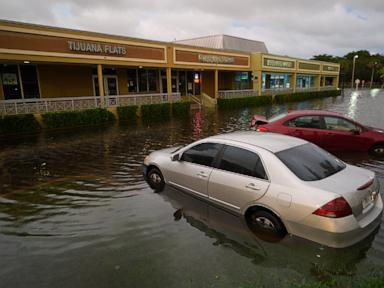
Water was coming over hoods before anyone realized what was happening. If you tried driving through South Florida during the recent deluge, you didn't just hit a puddle—you basically launched a boat.
A massive, slow-moving storm system slammed into southern Florida, dumping staggering amounts of water and completely turning everyday routines upside down. Cities like Hollywood and Fort Lauderdale didn't just get wet; they drowned under historic rainfall rates that completely overwhelmed municipal drainage systems.
Meteorologists point a direct finger at El Niño for this weather chaos. Normally, Florida’s dry season runs from October through May, giving cities a well-needed break from the relentless humidity and downpours of summer. El Niño completely wrecked that script. By warming sea surface temperatures in the Pacific, it altered the jet stream and dragged low-pressure systems straight into the southeastern United States.
Shattering Decades-Old Records
Numbers tell the real story here. In Fort Lauderdale, a torrential downpour dumped 5.72 inches of rain in a single day, crushing a daily record of 1.8 inches set way back in 1959. Over in Plantation, residents watched rain pour straight through the clock without ever letting up. As discussed in recent articles by The Guardian, the effects are significant.
Hollywood Mayor Josh Levy didn't sugarcoat the situation, calling it a historically significant event. More than 300 calls for emergency service flooded dispatch centers overnight as water crept past doorsteps. Major arteries like the Florida Turnpike and Interstate 95 turned into parking lots filled with stalled, abandoned cars.
And the damage wasn't just on the pavement. Heavy rain proved too much for infrastructure, causing the roof of Temple Sinai in Hollywood to collapse entirely. Thankfully, no injuries were reported, but the structural failure highlights just how brutal these concentrated rain events can be on local buildings.
Why Fast Drivers Make Floods Worse
Emergency responders dealt with another infuriating problem while trying to manage the crisis: reckless drivers.
When motorists barrel through flooded streets at high speeds, their vehicles create massive wakes. That water doesn't just splash harmlessly against curbs—it pushes directly into residential front doors, flooding homes that might have otherwise stayed dry. Local officials had to repeatedly beg drivers to stay off the roads entirely unless travel was a matter of life or death.
What You Need to Know Moving Forward
If you live in a flood-prone coastal region, you can't rely on historical weather patterns anymore. Climate cycles like El Niño are packing a much heavier punch, turning routine winter storms into catastrophic flooding events.
Keep an eye on local emergency alerts, avoid driving through standing water of unknown depth, and remember that wakes from fast cars ruin homes. Pay attention to local drainage updates, and don't wait for water to touch your porch before moving valuables to higher ground.
How El Niño contributed to historic Brevard County flooding
This video explains how El Niño-driven weather patterns contributed to historic and destructive flooding across Florida regions.



