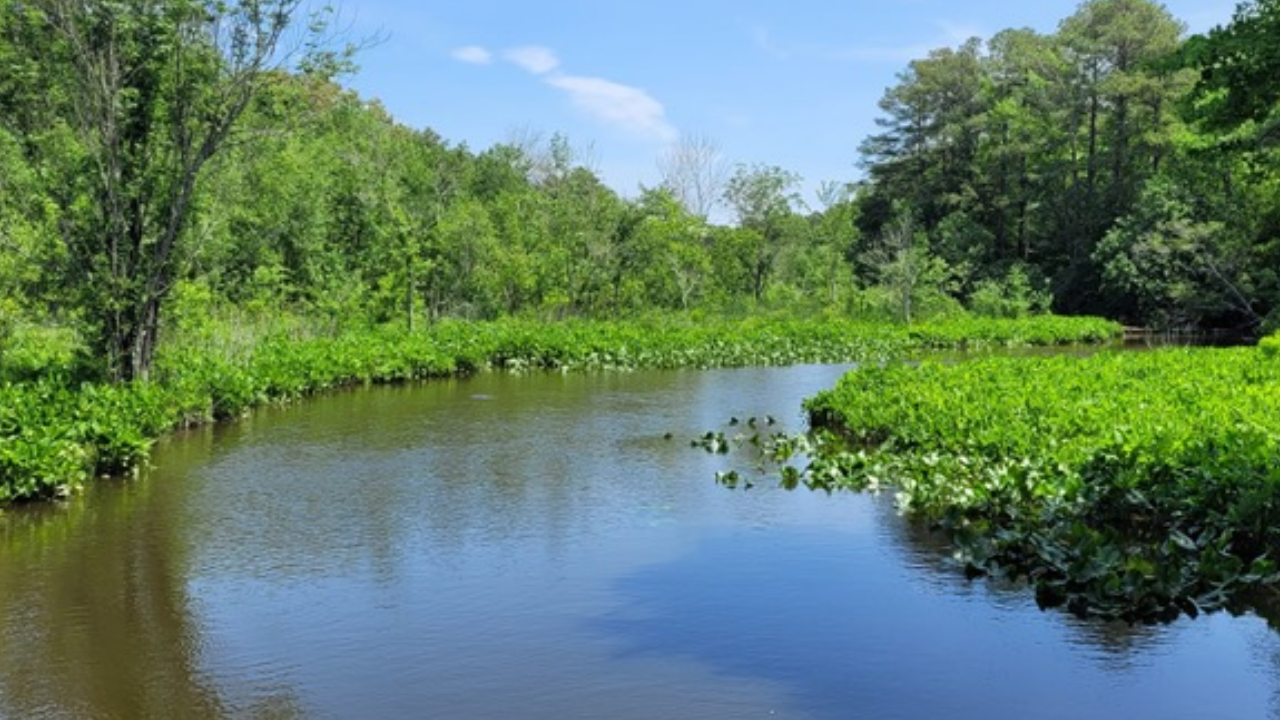
Splitting land inherited across state lines usually ends in a court fight or a developer's bulldozer. When eight descendants of Henry F. Porter looked at 181 acres of pristine forest and wetlands along the Maryland-Delaware border, they chose a harder path. It took them more than fifteen years of stubborn negotiations to figure out what to do with dirt their family first bought in 1950.
Instead of cashing out to commercial builders, they teamed up with the Nanticoke River Watershed Conservancy and the Chesapeake Conservancy. The result is a dual-state environmental win that splits the property into the Henry F. Porter Preserve in Delaware and an addition to Maryland's Chesapeake Forest Lands.
If you've ever tried to settle an estate involving mid-19th-century deeds and multiple generations of descendants, you know why this took a decade and a half. Family agreements get messy fast. Keeping 181 acres of vital watershed intact required navigating complex inheritances, federal programs, and state bureaucracies without letting the property get carved up into suburban lots.
Breaking Down the Cross-Border Deal
Protecting land that straddles two state lines means playing by two completely different rulebooks. The transaction didn't just happen overnight. The Chesapeake Conservancy had to step in and buy the land temporarily while the family and state agencies sorted out the long-term conservation ownership.
The acreage breaks down into two distinct parcels managed under separate agreements:
- The Delaware Parcel: Roughly 142 acres now form the Henry F. Porter Preserve. A strict conservation easement holds the line against future development, managed jointly by the U.S. Navy and the Delaware Department of Natural Resources and Environmental Control.
- The Maryland Parcel: A 39-acre tract picked up by the Maryland Department of Natural Resources using Program Open Space funding. It rolls right into the state's Chesapeake Forest Lands system, leased out for sustainable forestry and hunting.
Why This Specific Land Matters
Ecologically speaking, this isn't just a random patch of trees. The property sits right along the Nanticoke River and Wright Creek. That puts it squarely inside the massive Chesapeake Bay watershed, a 725,000-acre basin where land use directly dictates water quality.
Forests and tidal wetlands act as natural sponges. They filter out sediment and agricultural runoff before it chokes local aquatic life. When developers pave over these corridors, the water quality in tidal creeks plummets, hitting species like the vulnerable Atlantic sturgeon hard.
Furthermore, the property borders other protected properties like the Nanticoke Wildlife Area and the Pete Gum Preserve near Seaford. Conservationists call this habitat connectivity. Animals don't check state maps or property lines; they need large, unbroken stretches of land to roam and migrate safely through the Mid-Atlantic Flyway.
The Role of Military and State Funding
Land preservation on this scale doesn't happen on good intentions alone. It takes serious capital and institutional muscle.
The Delaware easement relied on cash from the state's Open Space Program alongside the Department of Defense's Readiness and Environmental Protection Integration (REPI) program. That last part surprises people who think military funding only goes toward weapons. REPI actively spends federal dollars to buffer military installations and testing grounds from encroaching development. By locking down open space near sensitive zones, the military prevents urban sprawl while simultaneously saving vital wildlife habitats.
Meanwhile, the Nanticoke River Watershed Conservancy plans to upgrade existing logging trails on the Delaware side, turning them into accessible paths for hiking and nature study.
What Landowners Can Learn From the Porter Family Legacy
Most families facing a multi-state inheritance don't think about conservation easements. They think about liquidation. The Porter family's 15-year slog proves that preserving ancestral land is possible if heirs are willing to prioritize long-term ecological value over a quick payout.
If you're sitting on inherited acreage or working through estate planning for rural property, look into land trusts early. Conservation groups like the Chesapeake Conservancy or local river conservancies often have the resources to structure temporary acquisitions, tax incentives, and easements that keep family land wild.
Take a close look at state open space grants and federal buffers before listing family property on the open market. Sometimes the best inheritance isn't cash in the bank, but a permanent green space bearing your family's name.



