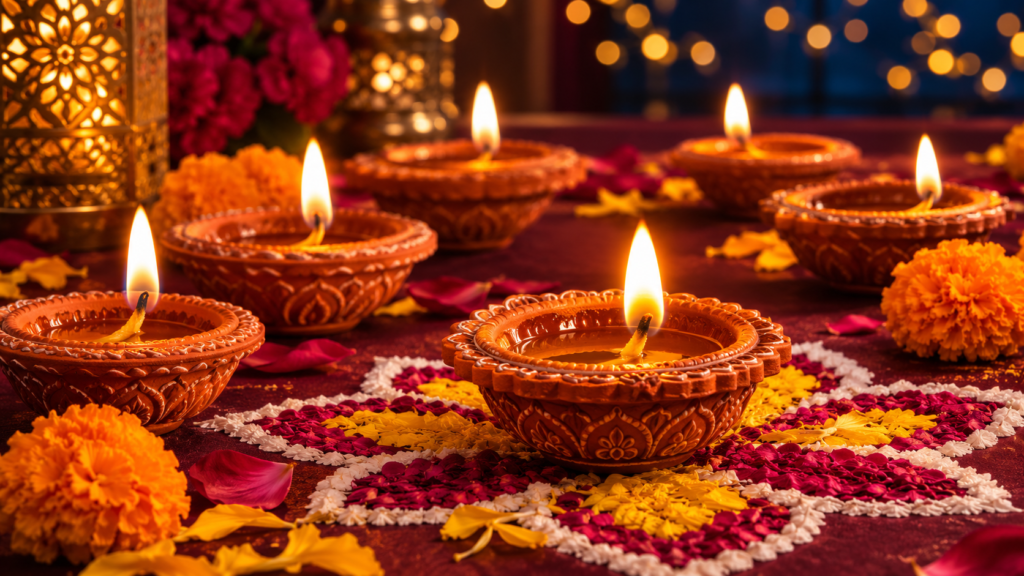
Millions of homes glow with tiny clay lamps, sweet scents fill the air, and families gather. Diwali is here.
Canadian Prime Minister Mark Carney joined leaders worldwide in sending formal greetings, highlighting how the ancient festival transcends borders. In his official statement, Carney emphasized that Diwali marks the timeless triumph of light over darkness, knowledge over ignorance, and good over evil. But beyond the political press releases, what does this celebration actually mean for modern multicultural societies like Canada?
A Shared Message Across Communities
Diwali isn't restricted to just one group. Hindus, Sikhs, Jains, and Buddhists mark the period with distinct historical reflections, yet they share a common thread of renewal and hope. Carney pointed out that the festival belongs to a diverse mosaic of Canadians who keep ancient traditions alive far from their ancestral homes.
When communities light diyas and design colorful rangolis on doorsteps, they are doing more than repeating old habits. They are building cultural bridges. In places like Toronto, Vancouver, and Calgary, public squares and local temples transform into hubs of shared food, music, and celebration.
Moving Beyond Token Greetings
Political figures issue holiday statements constantly. Most of them blend into the background noise of internet news feeds. Yet, Carney's message struck a slightly different chord by focusing on action rather than passive observation.
He noted that light is something we actively create through generosity, service, and daily care for one another. That perspective shifts the holiday from a static date on a calendar into an ongoing civic responsibility. Kindness and community support matter just as much as fireworks and festive feasts.
The Broader Cultural Impact in North America
South Asian heritage communities have shaped the cultural fabric of North America for decades. Diwali went from being an obscure cultural observance noticed only by immigrants to a mainstream national moment marked by leaders at the highest levels of government.
Political figures from across the spectrum, including Conservative Leader Pierre Poilievre, also shared warm messages recognizing the contributions of Hindu, Jain, Sikh, and Buddhist populations. This bipartisan acknowledgment shows that cultural integration works best when traditions are welcomed rather than sidelined.
If you are participating in the festivities, take a moment to look beyond the sweets and lights. Share a meal with a neighbor, support local cultural organizations, or learn about the historical roots behind Bandi Chhor Divas and other concurrent observances. Keep the spirit of the festival alive long after the diyas burn out.



