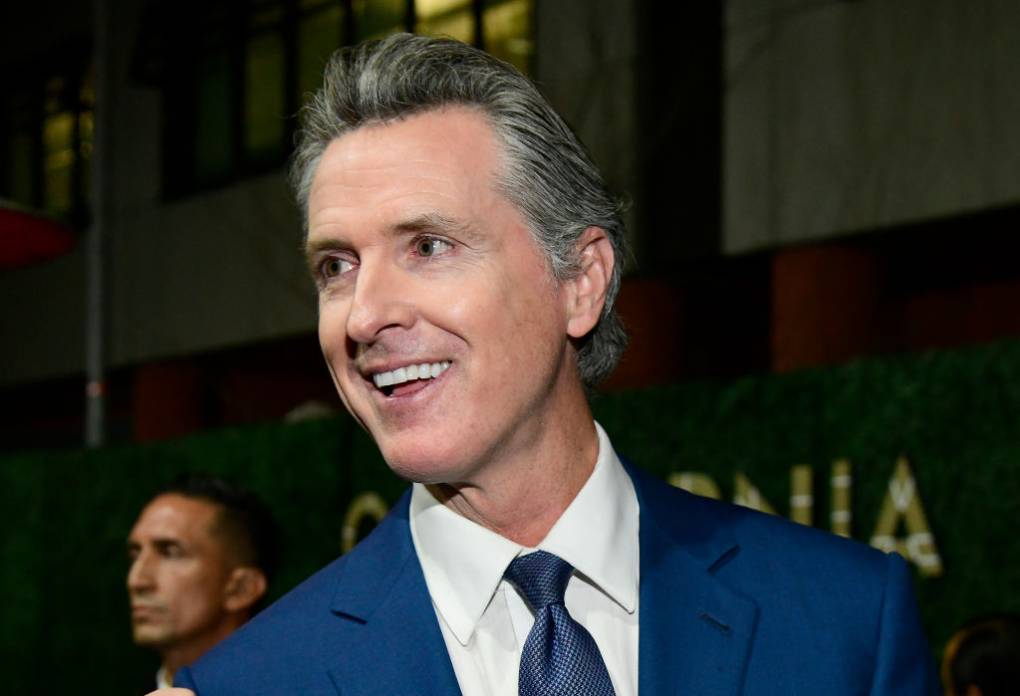
Hosting a global sporting event usually means drowning in red tape. California is trying to cut through that mess before it derails the upcoming 2028 Summer Games. Governor Gavin Newsom is stepping in with a new executive order to create the Olympic and Paralympic Games Delivery and Coordination Strike Team.
If you've ever dealt with state agencies, local city councils, and private organizing committees trying to agree on anything, you know it's a recipe for gridlock. The newly minted strike force aims to knock down those bureaucratic walls, fast-tracking decisions that usually take years into mere weeks.
Why a Strike Team Is Mandatory Now
With the 2028 Los Angeles Olympics creeping closer, the state can't afford standard government delays. We aren't just talking about building stadiums—though existing venues like the Los Angeles Memorial Coliseum are already locked in. The real challenge lies in infrastructure, security contracts, and moving millions of visitors across Southern California's notoriously congested transit corridors.
Recent legislative pushes highlight the friction. Earlier in the autumn of 2026, state lawmakers sparred over transit funding and cultural planning, revealing just how disconnected Sacramento and local municipal leaders can get. When billions in projected economic output are on the line, waiting around for cross-agency emails doesn't cut it.
Enter Jamie Callahan. Appointed to lead the strike team, Callahan brings over fifteen years of experience advising California governors and managing high-stakes logistical hurdles. Most notably, Callahan helped pave the administrative path for last summer's FIFA World Cup matches in the state. That playbook is exactly what Los Angeles needs to keep the 2028 preparations on schedule.
The Real Hurdles Facing LA28
Let's be honest about what makes organizing modern Olympics a logistical nightmare. It isn't just about athletic venues. It's the friction points where state jurisdiction meets local municipal code.
- Public Safety Coordination: Police and emergency services require massive multi-agency agreements. Newsom recently signed bills authorizing the state to negotiate specialized law enforcement contracts, but executing them smoothly requires constant oversight.
- Transit and Infrastructure: Billions in federal and state funding must translate into real asphalt, rail updates, and traffic mitigation plans without getting bogged down by environmental reviews or local pushback.
- Cultural and Ceremonial Execution: Even creative choices, such as tapping prominent producers like Kathleen Kennedy for the Olympic ceremonies, require navigating state-owned properties and local permits.
Without a centralized coordination unit, these pieces tend to operate in silos. Local councils protect their turf, state agencies follow rigid internal guidelines, and the private LA28 organizing committee tries to keep sponsors happy.
What Happens Next
The strike team won't magically solve every traffic jam or budget dispute in Los Angeles, but it changes accountability. Instead of finger-pointing between Sacramento and local officials when a permit stalls, there's a dedicated authority whose only job is to unblock it.
You're going to see a lot more top-down intervention over the next two years as deadlines tighten. If California wants to pull off an error-free global showcase, this strike force has to succeed in breaking the bureaucratic mold.



