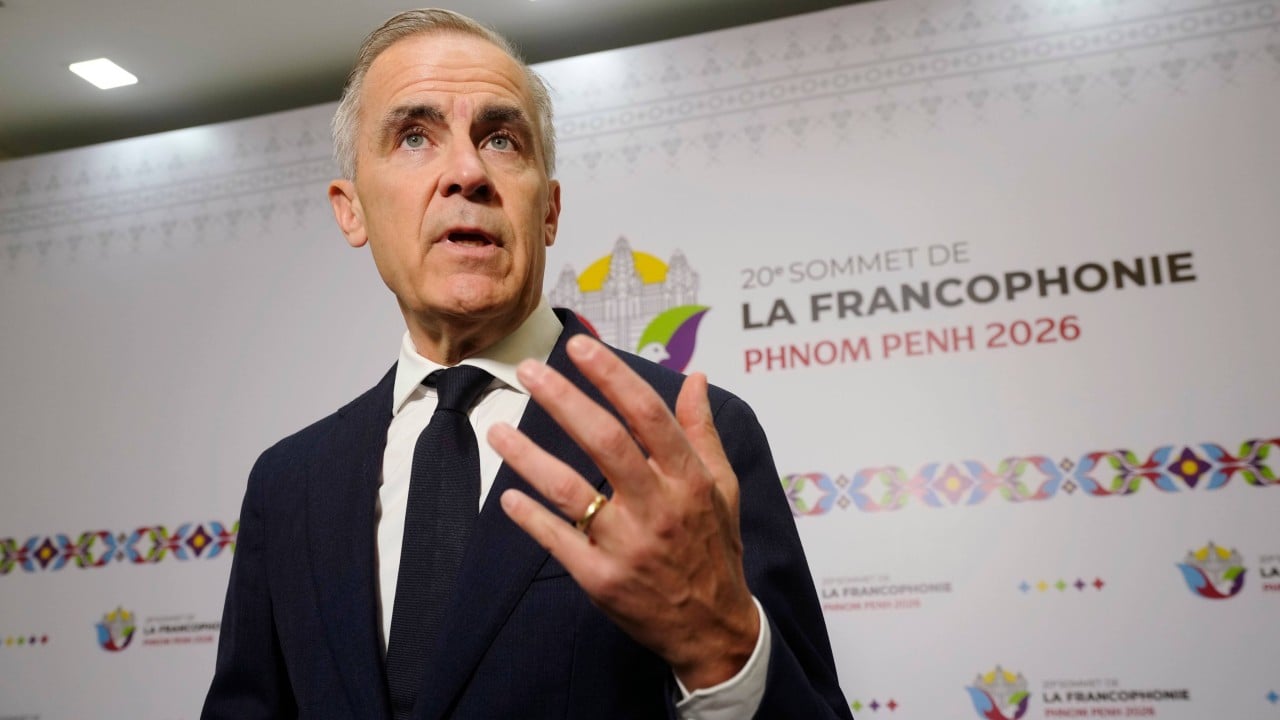
Behind every major geopolitical shakeup lies a trail of backchannel diplomacy most observers miss. When Canadian Prime Minister Mark Carney dropped a telling detail after meeting Brazilian President Luiz Inácio Lula da Silva in Manila, it exposed the real origin of the much-discussed trilateral gathering between Donald Trump, Vladimir Putin, and Xi Jinping slated for Shenzhen. According to Carney, the entire concept traces back to Brasília.
Instead of springing from Washington or Beijing, the idea of pulling the three nuclear-armed superpowers into one room to address the war in Ukraine was cooked up by Lula after intensive phone diplomacy. While media pundits scramble to frame the upcoming APEC sidelines meeting as a spontaneous maneuver by incoming American leadership or a Chinese strategic play, the groundwork was laid months prior by a middle power trying to jolt stagnant international institutions awake.
The Quiet Phone Calls Behind the Grand Stage
Lula didn't just mention peace in passing. Reports from Brazilian government sources confirm he spent hours on the phone with Washington, Beijing, and Moscow, arguing that the permanent members of the UN Security Council were failing in their core duty to stop major conflicts. His pitch was blunt: get out of the formal, deadlocked UN chambers, grab a drink, and start talking directly.
When Carney and Lula sat down on the sidelines of the Association of Southeast Asian Nations summit, the Canadian leader acknowledged the weight of that initiative. Labeling it an intriguing concept born from Brazilian persistence, Carney highlighted how middle powers are increasingly stepping into the vacuum left by traditional superpowers.
Why Shenzhen Becomes the Epicenter
Hosting this summit in Shenzhen carries heavy symbolic value. As Beijing rolls out the red carpet for the APEC gathering, the convergence of Trump, Xi, and Putin forces an uncomfortable reality onto Western capitals. Diplomatic wires are already buzzing with competing agendas. Washington officials hint that Trump plans to focus heavily on nuclear non-proliferation and Middle Eastern flashpoints rather than yielding to a grand bargain on Eastern Europe. Meanwhile, Moscow views the trilateral format as vindication of its push for a multipolar security architecture.
European capitals are watching with undisguised anxiety. Figures like Polish Foreign Minister Radosław Sikorski have openly warned that elevating Russia through a three-way format bypasses European security interests, arguing that the European Union belongs at any table discussing the continent's borders. Ukrainian leadership shares the same dread, repeatedly stressing that any closed-door deal brokered entirely by great powers without Kyiv's active participation lacks legitimate authority.
The Middle Power Playbook
Lula's role in engineering this moment points to a broader shift in global politics. Traditional alliances are fraying under the weight of trade protectionism and shifting economic blocs. While Canada navigates its own tightrope—balancing trade disputes with Washington while exploring Asian markets and automotive alternatives—countries like Brazil are leveraging non-aligned status to force great powers to talk.
You cannot understand modern geopolitics by looking solely at Washington and Beijing anymore. Middle powers are using every diplomatic lever available to shape outcomes that protect their regional stability. Whether the Shenzhen summit yields actual breakthroughs on Ukraine or merely serves as a high-profile photo opportunity, the fact that Brazil's blueprint brought these leaders together proves that global influence is dispersing rapidly.