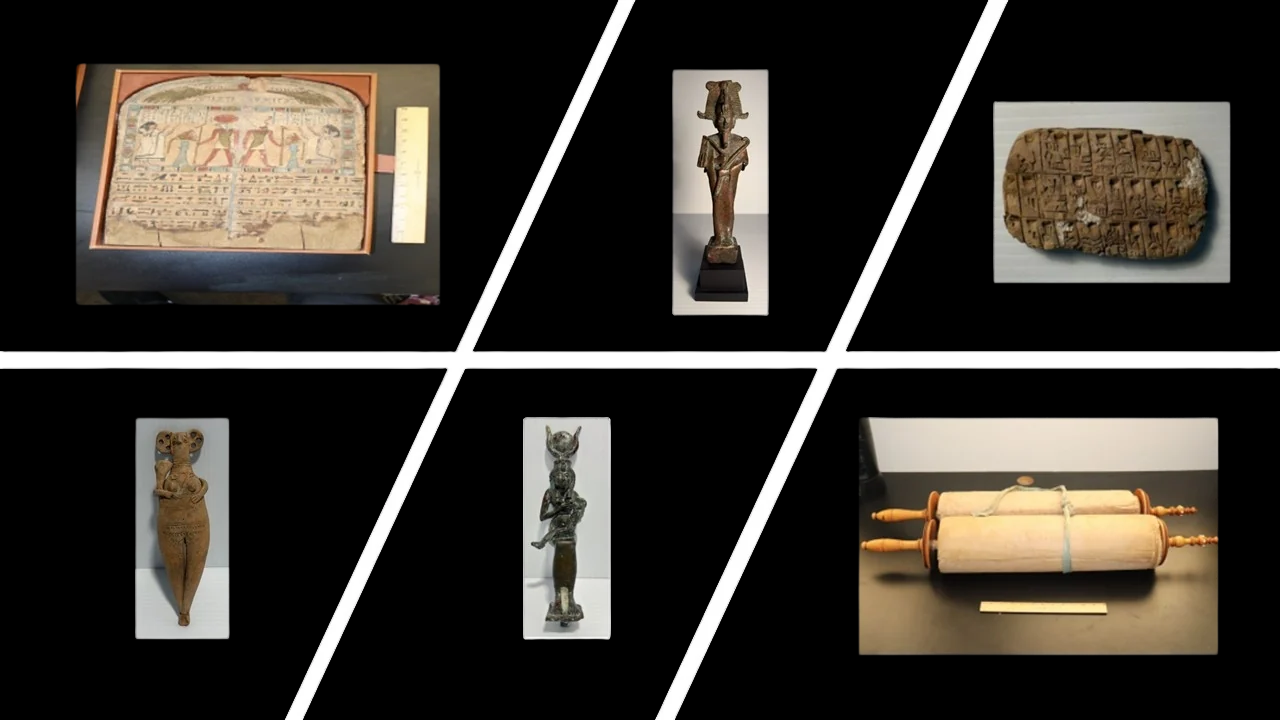
Customs declarations are rarely thrilling reading. Most people write down boring items like shoes or plastic toys, slap a low dollar amount on the form, and hope the box clears inspection without delay. Matthew Weinberg tried a similar trick with a package arriving in Florida from the United Arab Emirates. He wrote down that the shipment contained two terracotta pieces worth less than two hundred dollars.
He missed a rather significant detail. Inside the box sat two ancient Iraqi cuneiform tablets dating back nearly four thousand years. Federal agents didn't buy the cheap pottery story, and that single intercepted package blew open a massive illicit antiquities pipeline spanning multiple continents.
The Anatomy of an Antiquities Smuggling Operation
When Homeland Security Investigations and Customs and Border Protection looked closer at Weinberg's shipping logs, they found a pattern. The initial Pensacola Airport interception was just the tip of a very large iceberg. Investigators eventually tracked roughly one hundred and seventeen international shipments linked to his purchases between September 2024 and March 2026.
Think about the logistical scale of that operation for a second. Out of those shipments, about one hundred and nine slipped past various international checkpoints without getting caught. Weinberg sourced artifacts from Iran, Egypt, Cyprus, and China. Customs forms routinely labeled priceless historical objects as cheap ceramic models, modern decorations, or low-value trinkets.
Federal agents executing a search warrant at his Miramar Beach home in March 2026 uncovered a museum's worth of smuggled history. They found ancient Hebrew Torah scrolls, Egyptian antiquities dating back to the Twenty-Fifth Dynasty, a medieval Persian ceramic architectural model bought off eBay for two grand, and an Iranian stone plaque featuring a carved scorpion.
Why Ancient Cuneiform Tablets Matter
Cuneiform is among humanity's earliest writing systems. Developed in ancient Mesopotamia by pressing wedge-shaped marks into soft clay using reed styluses, these clay tablets recorded everything from mundane grain receipts and commercial trade transactions to royal proclamations and epic poetry.
When looters yank these items out of archaeological sites in Iraq or neighboring countries, they destroy context. An artifact buried in specific soil layers tells a story about trade routes, local economies, and daily life. Once an object is ripped from its home without proper excavation notes, its archaeological value plummets even if its black-market price tag remains high.
Law enforcement agencies take these violations seriously because countries like Iraq, Egypt, and Cyprus have strict cultural property agreements with the United States. Federal anti-smuggling statutes exist precisely to stop private buyers from treating irreplaceable human history like collectible baseball cards.
The Cost of Getting Caught
The federal government eventually hammered out a settlement that hit Weinberg where it hurt. He had to forfeit all the seized antiquities so they could be repatriated to their countries of origin. Beyond losing the stolen history, he surrendered seventy-five thousand dollars in cash identified as proceeds from his illegal smuggling activities.
Federal prosecutors also slapped him with a two-year ban preventing him from purchasing or selling any foreign artifacts whatsoever. WhatsApp messages recovered during the probe showed him chatting with overseas vendors about how to disguise the true identity and value of shipments to dodge customs authorities. Phone search history revealed queries looking up US import laws for Iraqi and Egyptian artifacts. Ignorance was never a valid defense here.
This case echoes previous high-profile enforcement actions, such as the famous Hobby Lobby settlement where the corporate arts and crafts retailer had to forfeit thousands of smuggled cuneiform tablets and pay a three million dollar penalty. Black-market antiquities buyers love to think international shipping manifests are a safe grey area. They are not. Federal investigators track customs declarations with extreme prejudice, and owning stolen pieces of ancient civilization tends to end very badly when border agents decide to open your package.



