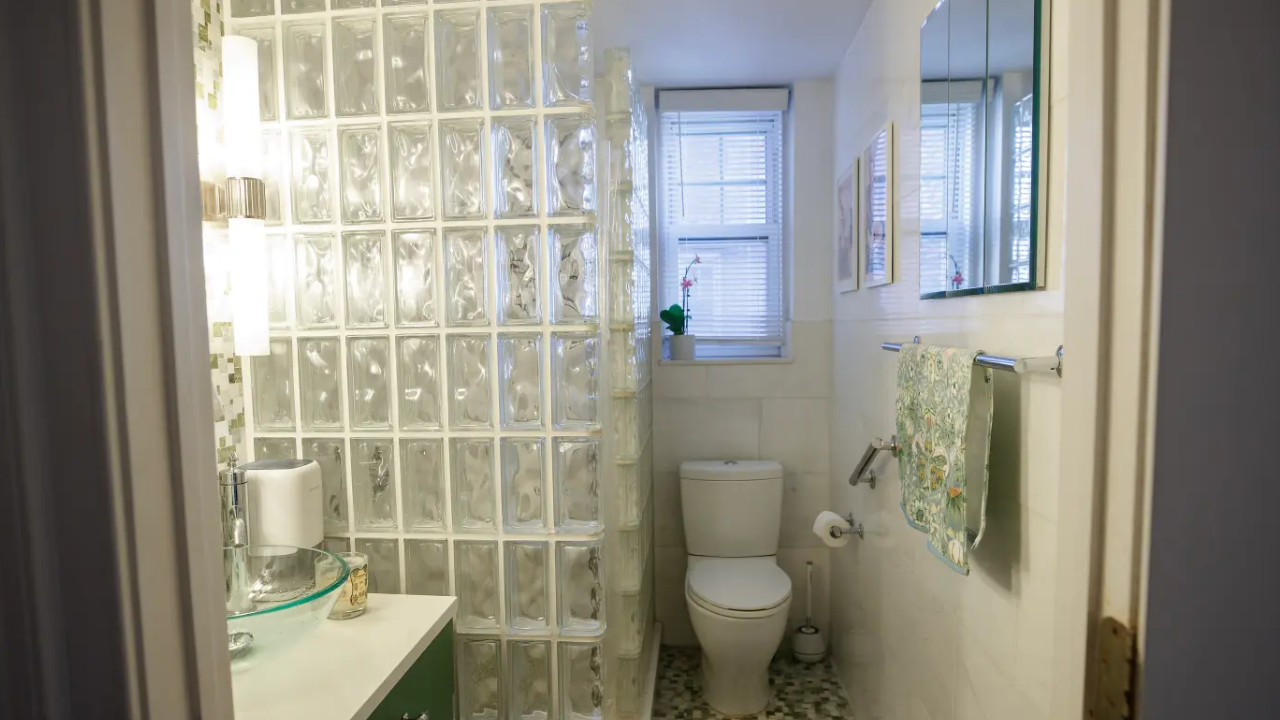
Buying a New York apartment is supposed to be an investment in stability. But for Guillermina Girardi, purchasing a $660,000 one-bedroom unit at Manhattan's historic Castle Village complex turned into a three-year legal war over a disputed shower leak. What started as peeling paint on a downstairs neighbor's bathroom ceiling has escalated into a brutal courtroom battle featuring roughly ten inspections, conflicting city rulings, and a staggering $170,000 demand for legal fees.
If you think a simple plumbing issue can't destroy your finances and your peace of mind, this case proves otherwise. It exposes the terrifying reality of proprietary leases, the immense power of co-op boards, and why property owners are often completely defenseless when management decides to come after them.
The Anatomy of a Co-op War
The trouble kicked off roughly six weeks after Girardi closed on her apartment. Her downstairs neighbor, Ariane Zorgniotti, noticed moisture damage, peeling plaster, and bubbling paint on her bathroom ceiling. Naturally, building management looked upward. They pointed the finger straight at Girardi's shower pan, claiming the waterproof base beneath the tiles was leaking water straight through the floorboards.
Girardi refused to roll over. She pointed to inspections by the New York City Department of Housing Preservation and Development in 2024 that failed to find a cracked shower pan or confirm a leak originating from her unit. The only official violation issued was for routine peeling plaster. To Girardi, the building's claims were baseless, and she fought back against letting contractors rip up her newly purchased bathroom.
Most people assume that if city inspectors don't find a leak, you're in the clear. But co-operative housing in New York operates under a totally different set of rules. When you buy into a co-op, you don't actually own real estate. You own shares in a corporation and a proprietary lease. That lease grants the board immense, sweeping authority over maintenance, access, and repairs. If the board decides your shower is causing damage, arguing with them in court is an uphill battle that will drain your bank account faster than a burst pipe.
The Legal Ping-Pong Game
The battle bounced through the New York court system with whiplash-inducing speed. For a long time, the courts seemed to agree with Girardi's skepticism. In March 2025, a New York Supreme Court judge ruled that the building hadn't provided enough evidence to prove the leak came from her shower, blocking an immediate forced renovation while allowing standard access for inspections. A few months later, in June 2025, the court refused summary judgment for either side, noting that conflicting evidence—including clean city inspection reports—kept the dispute alive.
Then the tide turned dramatically. In March 2026, New York's Appellate Division, First Department, overturned the lower court's ruling and handed a decisive victory to Castle Village. The appellate judges decided that photos and sworn statements from the building's assistant superintendent and the downstairs neighbor were enough proof to mandate repairs. Under her proprietary lease, Girardi had to grant access and pay for the work herself.
When a building contractor finally showed up at Girardi's door, the tension boiled over. She demanded to see the plumber's license and the required Department of Buildings permits before anyone touched her Carrara marble tiles. According to legal records, those documents weren't produced on the spot, halting the work once again and fueling further friction over who pays for what.
The Real Cost of Fighting Back
The physical repairs were initially estimated at around $9,200. However, Girardi estimated the total bill could skyrocket past $40,000 once you factor in custom finishes like her marble tiling. Yet the repair bill is barely a fraction of the financial damage.
Castle Village is now seeking nearly $170,000 in legal fees from Girardi. Think about that for a second. A dispute stemming from a minor ceiling leak has generated six-figure legal demands, turning a routine residential fix into a financial catastrophe. This wasn't her first rodeo with the building either. She had previously clashed with management over a building-wide gas pipe replacement project that threatened to run a horizontal pipe right across her kitchen ceiling, ruining her plans for a home office. She eventually complied with that installation, but the bad blood clearly lingered.
What Property Owners Need to Know
This nightmare offers crucial lessons for anyone living in a co-op or condo. First, read your proprietary lease very carefully. The board usually holds the unilateral right to enter your apartment to fix building-wide issues or stop perceived damage, and refusing entry is treated as a severe lease violation. Second, documentation is everything. If you dispute a building's claim, you need independent professional engineering reports, not just city inspector visits, to back up your position.
Finally, recognize when fighting a co-op board becomes a losing financial game. Even if you win on the core technicality, legal fees can pile up so aggressively that you lose far more than you would have spent just paying for the repairs and moving on with your life.
Read your bylaws, protect your rights, but pick your battles wisely before you let a disputed plumbing issue drag you into a six-figure legal abyss.



