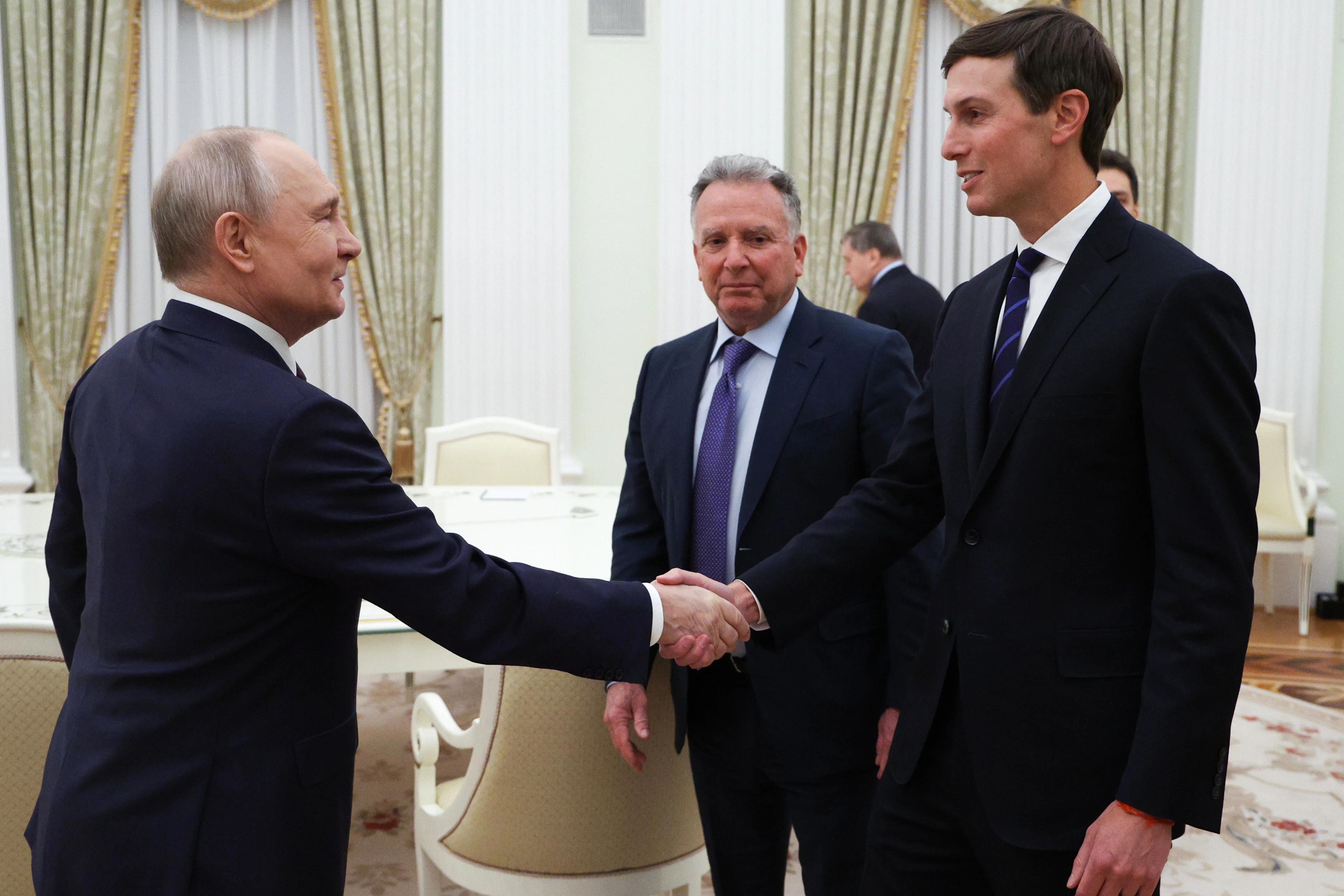
Diplomacy is messy, frantic, and rarely adheres to neat press releases. When U.S. envoys Steve Witkoff and Jared Kushner walked into the Senate Palace of the Kremlin to sit down with Russian President Vladimir Putin, they weren't carrying a magic wand. They were carrying the weight of stalled peace talks that had just sputtered through two intense days in Abu Dhabi.
If you're wondering why this specific diplomatic scramble matters right now, look past the staged handshakes. The Washington-backed sessions in the United Arab Emirates marked the first direct talks between Russian and Ukrainian delegations in nine months. That frozen silence on the battlefield had stretched on long enough, and the Trump administration wanted to force some kind of movement before the conflict drags toward its grim five-year milestone.
Let's be clear about what actually happened. The Abu Dhabi talks didn't suddenly rewrite the geopolitical map. There was no grand peace treaty signed over coffee. Instead, negotiators hammered out an agreement in principle for a massive prisoner swap. Thousands of families are waiting on that deal, with officials estimating the exchange could happen within weeks. But beyond getting troops home, the core territorial and security demands remain miles apart.
Putin spent roughly two hours behind closed doors with Kushner and Witkoff. Kremlin aides like Yuri Ushakov later called the exchange useful, pointing out that Moscow is already eyeing direct discussions between Putin and U.S. President Donald Trump at the upcoming Apec summit in China. At the same time, the American delegation didn't linger in Moscow to celebrate. They immediately flew to Dublin to brief Ukrainian President Volodymyr Zelenskyy, trying to bridge a gap that European leaders watch with a mixture of hope and deep anxiety.
The elephant in the room is European security architecture. Moscow keeps hammering the point that NATO expansion remains a hard red line, while Kyiv insists European nations need a permanent seat at the table to guarantee any long-term stability. You can sense the frustration in diplomatic corridors. European capitals worry about getting sidelined while Washington and Moscow cut deals over their heads, while the front lines along the 1,200-kilometer stretch of eastern Ukraine continue to grind through lives and infrastructure.
Real negotiations aren't neat. They involve competing demands, posturing, and high-stakes travel across multiple time zones in forty-eight hours. The shuttle diplomacy between Abu Dhabi, Moscow, and Dublin shows that the White House is pushing hard for a settlement window by early next year. Whether that ambition survives contact with the stark realities on the ground in Ukraine is a completely different story. Keep an eye on how European leaders respond to the Dublin briefings, because the next phase won't just involve Washington and Moscow calling the shots.
US Envoy Visit To Moscow | US Envoys Steve Witkoff, Jared Kushner Arrive In Moscow For Putin Talks
This video provides footage and reporting on the arrival and high-stakes meetings of U.S. envoys Steve Witkoff and Jared Kushner in Moscow following the diplomatic talks in Abu Dhabi.



